 Seminole Siding
 Bardmoor's Climate Is Harder on Roofs Than Most of Florida
Bardmoor sits in one of the more exposed corners of Pinellas County, and the roofs here take a beating that homes further inland simply don't deal with. Hurricane-force wind events, wind-driven rain, near-constant year-round UV, and salt-laden air rolling in off the Gulf all work on a roof at the same time — not one after another. A storm damage repair here has to account for all of that, or the fix won't hold through the next season.
Wind
Sustained tropical-storm and hurricane-force wind doesn't just tear shingles off. More often it lifts the seal along an edge or breaks the adhesive bond underneath, and the shingle keeps flapping in ordinary wind afterward until it eventually cracks, curls, or lets go entirely. A roof can look intact right after a windstorm and still have a dozen compromised shingles waiting to fail in the next rain.
UV Exposure
Florida's sun is harder on asphalt shingles than most manufacturers' warranty language likes to admit. Year-round UV bakes the oils out of the shingle mat and breaks down granule adhesive over time, which is why a roof that's taken a decade of Florida sun has less reserve strength to shrug off a storm than the same roof would in a milder climate.
Salt Air
Bardmoor's proximity to the Gulf means fasteners, flashing, and metal roof accessories are exposed to salt-laden air continuously, not just during storms. Corrosion works on exposed nail heads and flashing edges quietly for years, and it's often the reason a flashing detail that looked fine gives way in a storm that an inland roof would have handled without issue.
Wind-Driven Rain
Storms here rarely drop rain straight down. Wind pushes it sideways and upward, under shingle edges, around pipe boots, and along flashing that would shed water fine in a calm rain. This is how a roof with no missing shingles still ends up with a stain on the garage ceiling.
What Storm Damage Actually Looks Like
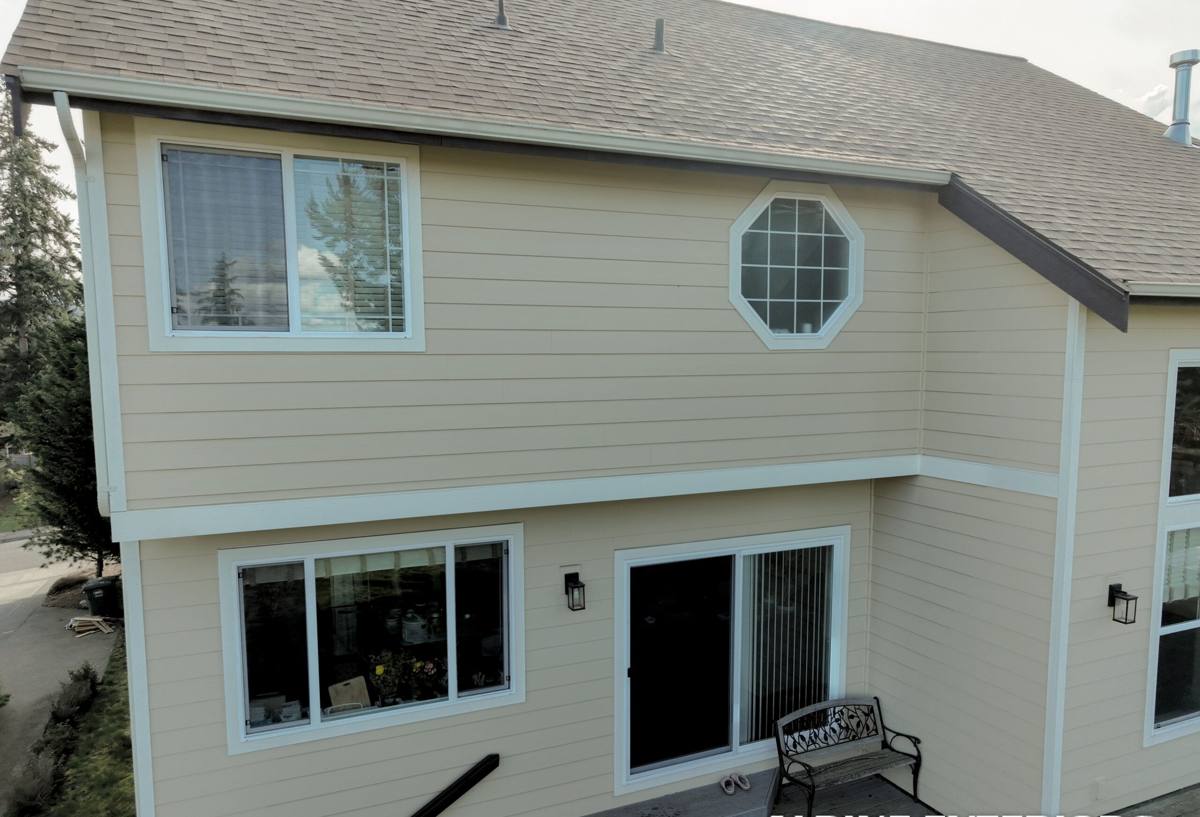
Not all storm damage announces itself. Some of it shows up as a missing shingle or a ceiling stain. A lot of it doesn't show at all until someone gets up close.
What Shows From the Ground
Missing or visibly torn shingles, debris on the roof or in the yard, and sagging gutters are the obvious signs. They're also the least useful indicator of how bad the damage actually is, because they only tell you about the worst-hit spots, not the ones that are compromised but still in place.
What Doesn't
Granule loss, cracked pipe boots, popped nails, and lifted flashing around chimneys or wall intersections rarely show from the yard or even from a ladder at the eave. They show up in a hands-on inspection — which is exactly why a drive-by look after a storm isn't enough to know whether a roof actually needs work.
Why Bardmoor's Established Homes Need Extra Attention
Bardmoor is a mature, established community, and a lot of the roofs here have already been through multiple storm seasons. An older roof — even one that's been reasonably maintained — has less reserve capacity to absorb a new storm event. Sealant has dried out, fasteners have backed out slightly from years of thermal expansion and contraction, and the shingle material itself has already absorbed a couple of decades of sun. That doesn't mean every older roof in Bardmoor needs replacement after a storm, but it does mean the inspection has to be more thorough, because new damage compounds on top of existing wear instead of showing up on a blank slate.
What a Correct Storm Damage Repair Actually Involves
Inspection Before Anything Else
A real inspection means getting on the roof, not just looking at it from the ground or from photos. That means checking the shingle field, the flashing at every penetration, the ridge, the valleys, and — anywhere storm damage is suspected — pulling back shingles to check the underlayment and decking underneath.
The Decking, Not Just the Shingles
If wind-driven rain has been getting under the roof covering, the plywood decking underneath can be wet, soft, or delaminating. Replacing shingles over damaged decking is a repair that fails again in the next storm. Any section of decking that's compromised gets cut out and replaced before new underlayment or shingles go down.
Flashing and Penetrations
Flashing failures around chimneys, skylights, sidewalls, and plumbing vents are one of the most common sources of storm-related leaks, and one of the most commonly skipped in a quick patch job. A correct repair re-seats or replaces damaged flashing and re-seals penetrations properly, rather than just caulking over the symptom and calling it done.
Matching Materials Honestly
Where a section needs new shingles, we match the existing product as closely as possible in color and profile so the repair blends in and the wind rating stays consistent across the roof. If an exact match isn't available because a shingle line has been discontinued, we'll tell you that upfront and walk through the realistic options rather than let a mismatch be a surprise later.
Repair or Replace? The Factors That Actually Matter
Most storm damage doesn't call for a full roof replacement, but some does. The honest answer depends on a handful of factors, not on which way pays a contractor more.
| Factor | Leans Toward Repair | Leans Toward Full Replacement |
|---|---|---|
| Extent of damage | Isolated to one slope or area | Spread across multiple slopes |
| Roof age | Well within expected lifespan | Already near or past it |
| Decking condition | Dry and solid underneath | Soft, wet, or delaminating in multiple spots |
| Shingle availability | Current product still manufactured | Discontinued, no reasonable match |
| Insurance scope | Adjuster approves a repair scope | Adjuster approves full replacement |
We'll walk you through where your roof lands on each of these before recommending either path. Our goal is a roof that gets through the next storm, not the largest invoice we can write.
Our Storm Damage Repair Process
- On-roof inspection with photo documentation of every area of damage, visible and hidden
- A written scope explaining exactly what's damaged and what it takes to fix it correctly
- Temporary weatherproofing — tarping or sealing — if the roof is exposed and more rain is expected
- Repair or replacement performed to current Florida Building Code requirements
- A final walkthrough so you can see the completed work before we call the job done
Working With Your Insurance Company
Storm damage claims move faster and go smoother when the damage is documented clearly and honestly from the start. We provide the photo documentation and written scope your adjuster needs, and we describe the damage as it actually is — we won't inflate a scope to chase a bigger payout, and we won't downplay a real structural finding to make a smaller number look better. If your claim only covers part of what actually needs to be fixed, we'll tell you that directly so you can decide how to proceed with full information.
Why a Crew That Already Works in Bardmoor Matters
A contractor who already works Bardmoor regularly knows the neighborhood's mix of roof ages and styles, understands the permitting process through Pinellas County, and can typically get eyes on a damaged roof faster after a storm than a crew driving in from outside the area — which matters when a compromised roof is sitting exposed ahead of the next round of Gulf-fed rain. It also means we're not learning how storm damage behaves on homes like yours on your dime; we've already seen the pattern.
Signs You Need a Storm Damage Inspection Now
After any significant wind or rain event, it's worth checking for the following before deciding a roof came through fine:
- Missing, curled, or cracked shingles anywhere on the roof
- Granules collecting in gutters or at downspout outlets
- Water stains or discoloration on ceilings or in the attic
- Visible daylight through the roof deck from inside the attic
- Soft or spongy spots when walking the roof
- Lifted or separated flashing around chimneys, vents, or skylights
- Debris or granule buildup that suggests impact damage
None of these guarantee major damage on their own, but any one of them is a reason to get a real inspection rather than wait for a leak to show up on its own timeline.
If a recent storm has you wondering whether your Bardmoor roof came through it in good shape, we're glad to take a look. Reach out for a free, no-pressure estimate — we'll tell you honestly what we find and what, if anything, it actually takes to fix it.