 Seminole Siding
 Treasure Island's Roofs Face a Tougher Job Than Most
Treasure Island sits out on a barrier island in Pinellas County, which means every roof there is doing double duty. It's not just holding up against an occasional bad storm — it's absorbing near-constant exposure to Gulf humidity, salt-laden air, intense year-round UV, and the kind of wind-driven rain that finds its way into gaps a roof twenty miles inland would never have to worry about. When a named storm or a fast-moving summer squall rolls through, that roof is already worn down by conditions most manufacturers' warranties barely account for.
That's the backdrop for every storm damage repair we do out there. We're not just patching what a single storm did — we're repairing a roof that was already under stress before the wind picked up, on a home where the next round of weather is never far off.
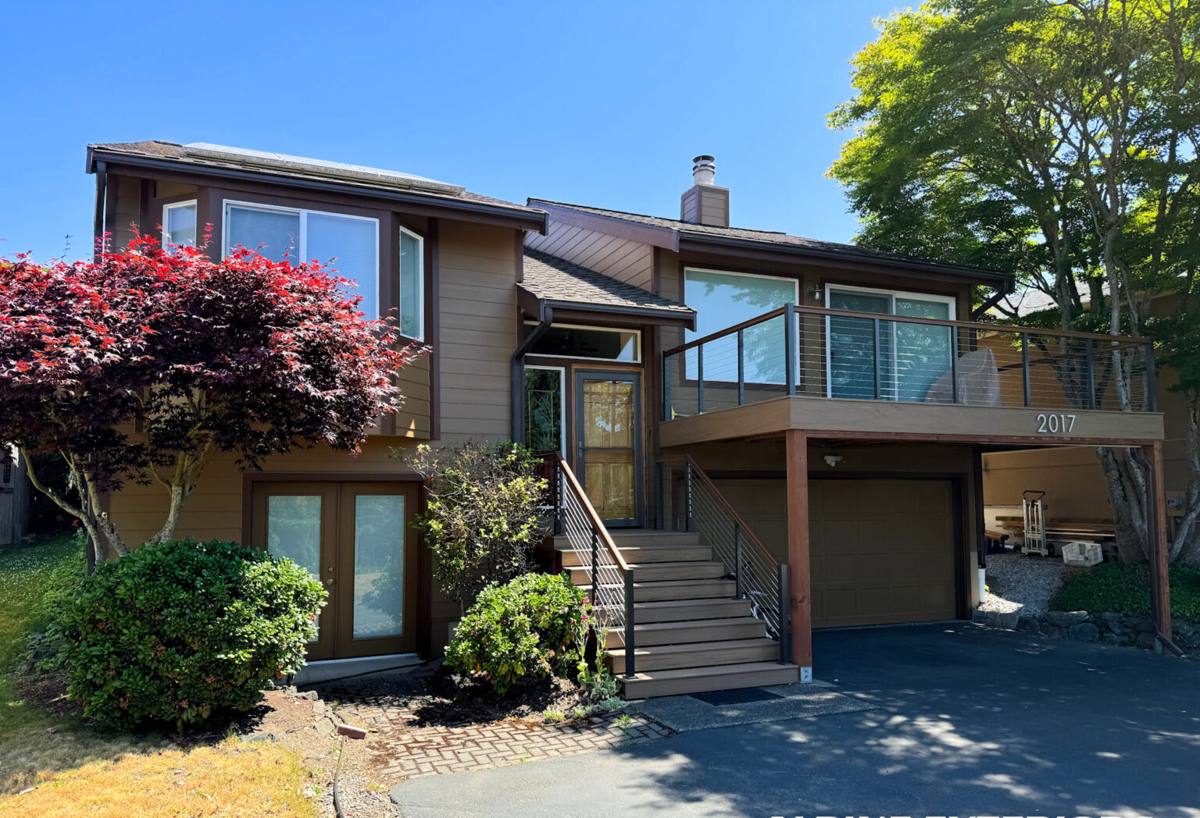
What Storm Damage Actually Looks Like on a Coastal Roof
Storm damage isn't always a missing section of shingles you can spot from the street. On barrier island homes, it tends to show up in quieter, more deceptive ways:
- Lifted or creased shingle tabs — wind gets under the edge, breaks the seal, and the shingle doesn't lay flat anymore even if it's still attached
- Granule loss from wind-driven rain acting almost like light sandblasting, which shortens the life of the remaining roof
- Flashing separation around chimneys, vents, and roof-to-wall transitions, where metal and roofing material move differently under wind pressure
- Seam and membrane stress on the flat or low-slope sections common on Treasure Island's older beach cottages and condo buildings
- Soffit and fascia intrusion points where wind-driven rain pushes water sideways instead of down, finding its way past trim that was never built to handle horizontal water
- Fastener backout — nails or screws that have loosened from repeated wind uplift cycles over multiple storm seasons, even without a single dramatic event
None of these require a hurricane to happen. A strong summer thunderstorm rolling off the Gulf, with sustained gusts and heavy horizontal rain, can cause all of the above on a roof that was already fatigued by salt air and sun.
Why Waiting Costs More Than the Repair Itself
The biggest mistake we see after a storm isn't picking the wrong contractor — it's waiting to call anyone at all because the roof "looks fine from the ground." A lifted shingle or a separated flashing seam doesn't announce itself with a leak on day one. It announces itself weeks later, as a stain on a ceiling, soft decking in an attic, or mold starting in an interior wall cavity. By that point, what would have been a straightforward exterior repair has become an interior repair too.
There's also a documentation problem. Insurance carriers want to see storm damage tied to a specific event, with dated photos and a clear cause. If you wait until the damage has spread and mixed with ordinary wear, that connection gets harder to prove — and harder to get covered.
Secondary Damage We Watch For
When we inspect a Treasure Island roof after a storm, we're not just looking at the surface. We're checking decking condition at penetration points, looking for rust bleed at fastener heads (a fast-moving problem in salt air), and checking whether insulation or attic ventilation has been compromised by moisture intrusion that hasn't reached the ceiling yet.
What a Correct Storm Damage Repair Actually Involves
A repair that only addresses what's visible from the ground is not a complete repair. Done right, storm damage repair on a coastal roof involves a few non-negotiable steps:
- Full damage mapping — not just the obvious spot, but the surrounding field, since wind damage rarely stays confined to one area
- Tear-back to sound material — removing shingles or membrane back to a point where the underlying decking and underlayment are confirmed dry and intact, not just to the edge of visible damage
- Decking assessment — any water-softened or delaminated plywood gets replaced, not patched over, because a repair over compromised decking fails again on the next storm
- Flashing rebuilt to spec, not just re-sealed with caulk, since caulk is a temporary fix and not a substitute for proper metal work at transitions
- Matching materials and fastening pattern that meet or exceed current Florida wind uplift requirements for the area, not just whatever was used originally
- Final water test and inspection of the repaired section under conditions that mimic wind-driven rain, not just a dry visual check
Skipping any of these steps is how a "repair" ends up needing a second repair after the next storm season.
Our Process for Treasure Island Storm Calls
1. Inspection and Documentation
We start with a full roof inspection, documenting damage with dated photos suitable for an insurance claim, whether or not you end up filing one. We'll tell you plainly what's storm-related versus what's pre-existing wear — that honesty matters both for your claim and for setting the right repair scope.
2. Emergency Mitigation, When Needed
If there's active water intrusion, the priority is stopping it — tarping exposed sections and protecting the interior before anything else. This isn't the finished repair; it's damage control while the permanent fix is scoped and scheduled.
3. Scoped Repair Plan
We give you a clear, written scope: what's being torn back, what's being replaced, and what materials are going in. No vague line items. If the damage extends further than a first assessment showed, we tell you before we proceed, not after.
4. The Repair
Work is done to match the surrounding roof where possible and to current wind-resistance standards where it matters most — fastening patterns, flashing detail, and underlayment. On barrier island homes, we pay particular attention to corrosion-resistant fasteners and flashing metal, since standard-grade hardware degrades faster this close to the Gulf.
5. Final Walkthrough
We walk the repair with you, explain what was done and why, and leave you with documentation you can keep on file for future insurance or resale purposes.
Repair or Replace? What Actually Drives That Decision
Not every storm-damaged roof needs full replacement, and not every roof is a good candidate for another round of patching. The honest answer depends on a few factors:
| Factor | Favors Repair | Favors Replacement |
|---|---|---|
| Age of existing roof | Under half its expected service life | Near or past expected service life for coastal exposure |
| Extent of damage | Localized to one section or slope | Spread across multiple sections or the whole roof field |
| Decking condition | Dry, sound plywood beneath damaged area | Widespread soft spots or delamination |
| Prior repair history | Few or no previous storm repairs | Multiple past patches in different areas |
| Material availability | Matching shingle/membrane still obtainable | Discontinued material, visible mismatch unavoidable |
We'll walk you through where your roof actually falls on this table rather than defaulting to whichever answer is easier to sell.
Material Choices and Honest Trade-Offs
For sloped sections, we generally recommend shingles with a wind rating appropriate for Gulf-front exposure, properly fastened rather than relying on adhesive strips alone in high-exposure areas. For flat or low-slope sections common on Treasure Island's older and multi-unit buildings, membrane seam quality matters more than the base material — a poorly detailed seam will fail under wind uplift regardless of how good the membrane itself is.
We're also careful about flashing and fastener metal. In this salt air environment, standard galvanized hardware corrodes faster than it would even a few miles inland toward Seminole proper. We use corrosion-resistant fasteners and flashing as a standard practice on barrier island work, not as an upcharge — cutting that corner shows up as rust streaks and loosened flashing within a couple of storm seasons, not years down the road.
What to Do Right After a Storm: A Homeowner Checklist
- Photograph any visible damage from the ground before doing anything else — don't get on the roof yourself
- Check attic spaces and ceilings for new stains, damp insulation, or musty odors in the days following a storm
- Note the date and approximate time of the storm event for insurance purposes
- Cover any active interior leak with a bucket or tarp material to limit further damage, if it's safe to do so
- Avoid climbing onto a wet or wind-damaged roof to inspect it yourself
- Call for a professional inspection promptly — even if nothing looks obviously wrong
- Keep receipts for any temporary protective measures you take, as these are often reimbursable under a claim
Why It Matters That We Already Work in Treasure Island
A crew that's unfamiliar with barrier island conditions tends to treat every roof the same way they would inland. That's a mismatch here. Treasure Island homes deal with tighter lot access, wind exposure from open water on more than one side, and building conditions shaped by decades of salt air — all of which change how a repair should be detailed. Knowing which fastening and flashing practices actually hold up in this specific environment, rather than applying a generic inland standard, is the difference between a repair that lasts and one you're calling about again next season.
We also understand the practical side of working here — coordinating around narrow access on some properties, being mindful of neighboring units on multi-family buildings, and working efficiently so your home isn't exposed to the next round of weather any longer than necessary.
Insurance Claims: What We Can and Can't Do
We're not your insurance adjuster, and we won't tell you we can guarantee a claim outcome — nobody honest can. What we can do is document damage clearly and factually, provide a detailed repair scope and estimate that an adjuster can evaluate, and be available to answer technical questions your carrier may have about cause and scope. That documentation is often the single biggest factor in how smoothly a storm claim goes.
Get a Straight Answer on Your Roof
If you've had storm activity near Treasure Island and you're not sure whether your roof took real damage or just needs a closer look, we're glad to come out, inspect it honestly, and tell you exactly where things stand. There's no pressure and no obligation — just a clear assessment and, if repair is needed, a straightforward plan. Use the form below to request your free estimate.