 Seminole Siding
 New Roof Installation Built for Treasure Island's Barrier Island Conditions
Treasure Island sits on a narrow barrier island off the Pinellas County coast, and that location changes what a roof has to survive. Homes here take a steady beating from salt-laden air moving off the Gulf, wind-driven rain that finds every weak seam, intense year-round UV that breaks down roofing materials faster than it does further inland, and the real chance of hurricane-force wind gusts during storm season. A new roof installation on Treasure Island isn't the same job as a re-roof five miles inland in Seminole proper, and it shouldn't be treated that way.
We work Treasure Island regularly as part of our service area out of Seminole, and this page walks through what actually matters when you're replacing a roof this close to the water: the material choices that hold up, the installation details that separate a roof that lasts from one that fails early, and how our process works from first look to final inspection.
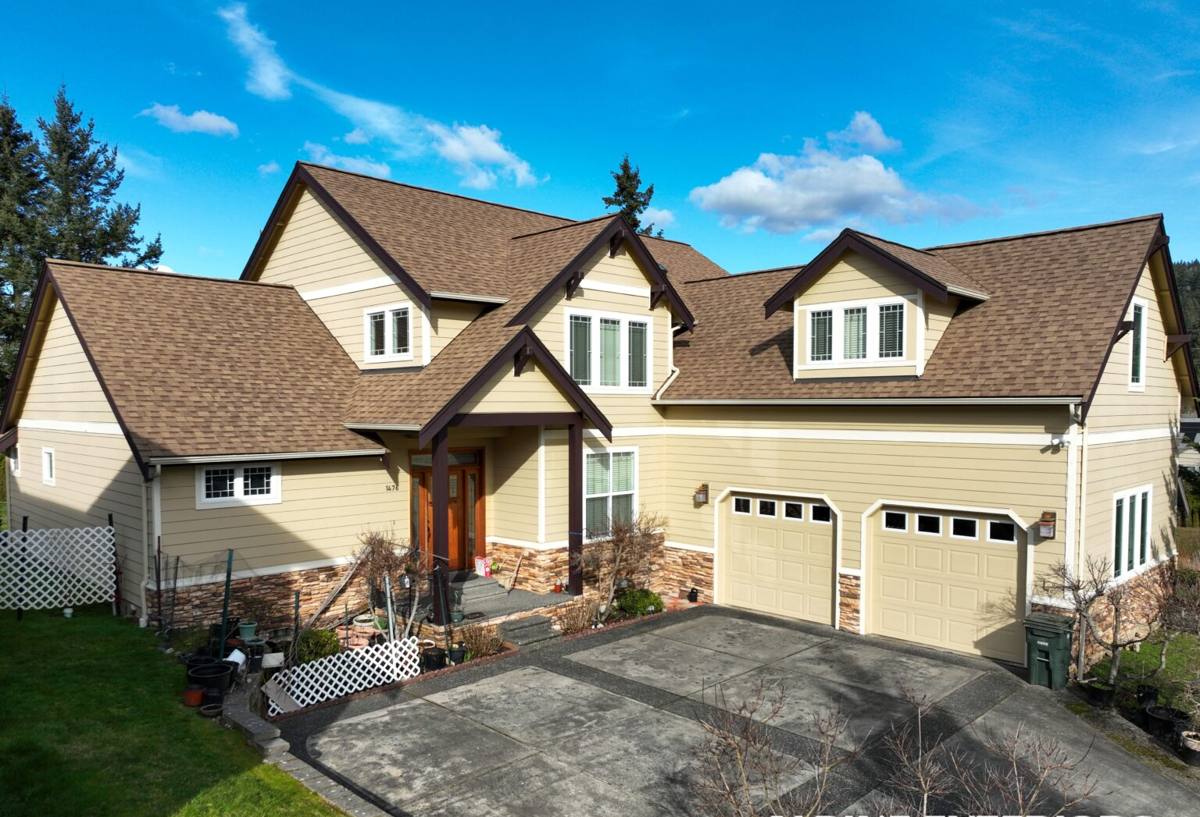
Why Salt Air and Coastal Exposure Change the Job
Salt air is corrosive to metal fasteners, flashing, and any exposed hardware on a roof. On a barrier island like Treasure Island, that salt exposure is constant, not occasional. It's one of the reasons we pay close attention to fastener and flashing material on every coastal install rather than defaulting to whatever is cheapest.
What This Means for Materials and Hardware
- Fasteners and flashing rated for coastal/corrosive environments, not standard-grade hardware
- Drip edge and valley flashing metal chosen for corrosion resistance, not just cost
- Attention to any dissimilar-metal contact points, which can accelerate corrosion near salt air
- Sealants and adhesives selected for UV and moisture stability, since coastal sun exposure degrades cheaper products faster
None of this is exotic or expensive to get right. It's a matter of not cutting corners on the parts of the roof that are easy to overlook but expensive to fix later, once they're already failing under shingles or tile.
Wind-Driven Rain and Water Intrusion
Most roof leaks on the Pinellas County coast don't happen because water can't run off a sloped roof — gravity handles that fine. They happen because wind pushes rain sideways and upward, forcing it under shingle edges, through poorly lapped flashing, or into gaps around penetrations like vent stacks and chimneys. A roof that would perform fine in a calm rain can still leak in a wind-driven storm if the underlayment and flashing details weren't done correctly.
Where We Focus Extra Attention
- Underlayment coverage — a self-adhered, waterproof underlayment at eaves, valleys, and around all penetrations, not just standard felt
- Flashing laps — correct shingle-over-flashing sequencing so wind-driven water can't work its way underneath
- Vent and pipe boot seals — a common failure point that's cheap to do right and expensive to ignore
- Ridge and hip detailing — the highest-wind-exposure part of the roof, where fastening pattern matters most
This level of detail takes longer than a bare-minimum install, but it's the difference between a roof that holds up through a tropical storm and one that starts leaking at the first wind event.
UV Exposure and Material Lifespan
Florida sun is hard on roofing everywhere, but proximity to open water and reflected light off the Gulf adds to the UV load on a Treasure Island roof compared to a shaded, inland lot. UV breaks down asphalt shingle granules and asphalt binders over time, and it degrades unprotected sealants and adhesives faster than the manufacturer's rated lifespan would suggest if the product wasn't chosen with that exposure in mind.
This is part of why we talk through material grade with homeowners up front rather than defaulting to the cheapest shingle line. A mid-grade or better architectural shingle with a stronger UV-resistant granule coating, or a metal or tile system with appropriate coatings, will simply outlast a bargain product in this exposure — and the cost difference over the life of the roof is usually smaller than people expect.
Wind Rating and Florida Building Code
Pinellas County follows the Florida Building Code's High-Velocity Hurricane Zone-adjacent wind provisions, and coastal properties like those on Treasure Island typically fall under higher wind-speed design requirements than inland Pinellas addresses. That affects several real decisions in a new roof installation, not just paperwork:
- Fastening schedule — how many nails per shingle and their placement pattern, which increases with wind speed rating
- Underlayment type and attachment method
- Permit and inspection requirements specific to your address and wind zone
- Product wind-rating documentation, which your insurer may request
We pull permits and handle inspections as part of every full roof replacement. This isn't optional paperwork — it's what confirms the roof was actually installed to the standard your address requires, and it matters at claim time if a storm does cause damage.
Choosing a Roofing Material for a Barrier Island Home
There's no single "best" roofing material for Treasure Island — the right choice depends on your home's structure, your budget, and how long you plan to own the property. Here's an honest comparison of the main options homeowners in this area typically weigh:
| Material | Coastal Performance | Typical Lifespan | Maintenance |
|---|---|---|---|
| Architectural asphalt shingle | Good, with high-wind-rated products and proper fastening | 20-30 years | Periodic inspection, especially after named storms |
| Standing seam metal | Excellent wind and water performance; needs coastal-grade fasteners | 40-50+ years | Low; occasional fastener and sealant checks |
| Concrete or clay tile | Very good wind resistance when properly fastened; heavier structural load | 40-50+ years | Underlayment is the real wear item — tile itself lasts, underlayment doesn't |
| 3-tab asphalt shingle | Lower wind rating; not our recommendation for this exposure | 15-20 years | Higher risk of early wind and UV wear |
We generally steer coastal homeowners away from 3-tab shingle for a Treasure Island install — not because it's a bad product everywhere, but because its lower wind rating and thinner profile make it a poor match for this specific exposure. That's a judgment based on wind performance and material thickness, not a knock on any manufacturer.
What a Correct Installation Actually Involves
A new roof installation is more than laying new material over the old deck. Done right, it includes:
- Tear-off and deck inspection — removing the old roofing down to the deck so we can actually see the wood underneath, not guess at its condition
- Deck repair — replacing any rotted, delaminated, or water-damaged decking before anything new goes down
- Drip edge and starter course — set correctly at eaves and rakes, which is a common shortcut on cheap installs
- Waterproof underlayment — self-adhered membrane at vulnerable areas, synthetic underlayment across the field
- Flashing — new flashing at all valleys, walls, chimneys, and penetrations rather than reusing old flashing
- Field installation — shingles, metal panels, or tile installed to the fastening schedule required for your wind zone
- Ridge and ventilation — proper ridge vent or equivalent attic ventilation, which affects both roof lifespan and energy cost
- Cleanup and final inspection — magnetic sweep for nails, debris haul-off, and a final walk-through with you
Skipping or rushing any one of these steps is usually where early failures come from — not from the shingle or metal panel itself, but from what's underneath it or how it was fastened.
Signs Your Treasure Island Roof May Need Replacement
Not every roof problem means a full replacement, but coastal exposure tends to accelerate the timeline. Watch for:
- Granule loss showing up in gutters or at downspouts, a sign of UV and age breakdown
- Curling, cracking, or lifting shingle edges, especially after wind events
- Visible rust streaking near flashing, vents, or fasteners
- Soft spots in the roof deck felt from inside the attic or noticed during a walk
- Daylight visible through the roof deck from inside the attic
- A roof that's near or past its rated lifespan and has been through multiple storm seasons without a full inspection
If you're seeing more than one of these, it's worth having someone look at the whole system rather than patching individual spots — patch repairs on an aging coastal roof tend to be short-term fixes.
Why a Crew That Already Works Treasure Island Matters
Barrier island logistics are different from a mainland Seminole job. Material staging, dumpster placement, and access on narrow island streets take planning that a crew unfamiliar with the area has to learn on your dime. A crew that already works Treasure Island knows the wind exposure differences block by block, has already dealt with the county's coastal permitting requirements, and isn't guessing at fastening schedules or flashing details for the first time on your roof.
That familiarity also means fewer surprises on inspection day. Permits and inspections tied to Pinellas County's wind provisions go smoother when the installer already understands what the inspector is going to check for on a coastal property.
Our Process, Start to Finish
Every Treasure Island roof replacement follows the same honest process:
- On-site inspection — we look at the current roof, deck condition, ventilation, and any storm damage in person before recommending anything
- Written estimate — clear scope of work and material options, with pricing explained, not just a number
- Permitting — we pull the required permits and coordinate inspections for your address's wind zone
- Installation — tear-off, deck repair as needed, underlayment, flashing, and field material installed to code
- Final walk-through — we go over the finished roof with you before calling the job complete
Costs vary based on roof size, pitch, material choice, and how much deck repair is needed once the old roofing comes off — anyone quoting a firm price before seeing your roof in person is guessing. What we can tell you honestly is that coastal-grade materials and proper flashing detail cost more up front than a bare-minimum install, but they cost far less than repeat repairs or a premature second replacement.
If your roof is aging, storm-damaged, or you're just planning ahead, we're happy to take a look and give you a straightforward estimate — no pressure, no upsell. Use the form below to get a free, no-obligation estimate from a crew that already knows Treasure Island.