 Seminole Siding
 Why Treasure Island Siding Takes More Damage Than Inland Homes
Treasure Island sits on a barrier island in Pinellas County, which means every exterior surface on the home is dealing with conditions that inland Seminole neighborhoods simply don't see at the same intensity. Salt-laden air moves off the Gulf and Intracoastal side almost constantly, and it doesn't stop at the waterline — it settles on siding, works into fasteners, and accelerates corrosion on anything not built to handle it. Add in wind-driven rain during summer storms, direct year-round UV exposure, and the occasional hurricane-force gust, and you have a climate that ages siding faster than almost anywhere else in the county.
Most of the repair calls we get on Treasure Island aren't from one dramatic event. They're the result of steady wear — a fastener that started corroding two years ago, a caulk joint that finally gave out, a panel edge that's been absorbing moisture every time it rains sideways. By the time it's visible from the street, the damage underneath is usually further along than it looks.
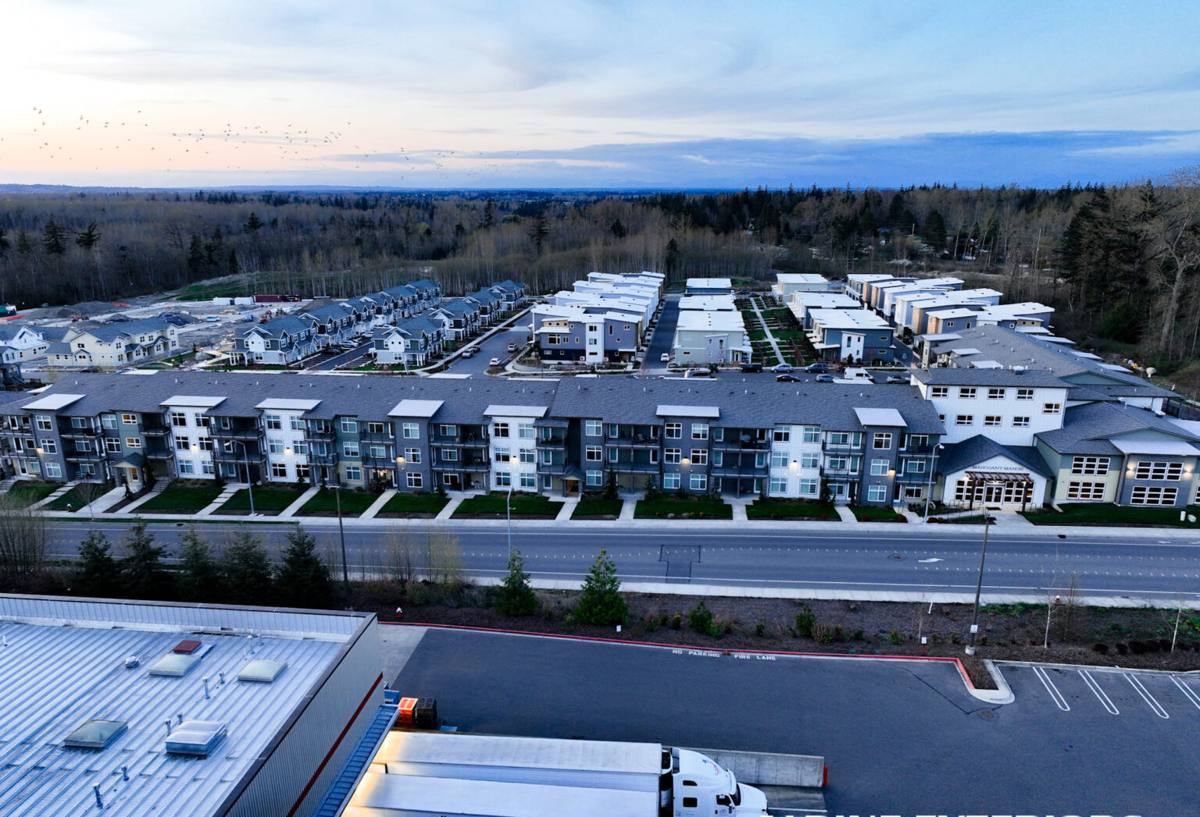
Signs Your Treasure Island Home Needs Siding Repair
Because coastal wear is gradual, homeowners often miss the early warning signs. Here's what we tell Treasure Island clients to watch for between inspections:
- Bubbling, peeling, or chalky paint on one section of the house, especially the side facing the water or prevailing wind
- Soft spots or slight give when you press on the siding near the bottom courses or around window trim
- Visible rust streaks below fastener heads or trim nails
- Gaps or separation at seams, corners, or where siding meets window and door trim
- A musty smell near an exterior wall, which often means moisture has already reached the sheathing behind the siding
- Warped, cupped, or buckled panels, particularly after a heavy storm season
- Caulk that's cracked, shrunk, or pulled away from joints
Any one of these on its own might just need a targeted repair. Several at once, especially on the same elevation, usually means moisture has been getting behind the siding for a while and the repair needs to go deeper than the surface.
What's Actually Happening Behind Damaged Siding
Salt and Fastener Corrosion
Salt air is an electrolyte carrier — it speeds up galvanic corrosion on fasteners, flashing, and any metal trim components. Standard fasteners that would last decades inland can start failing in a fraction of that time on a barrier island. When a fastener corrodes, it loses its grip, the siding panel it's holding starts to move in the wind, and the tiny gap that opens up becomes an entry point for wind-driven rain.
UV and Coating Breakdown
Florida sun is intense year-round, not just in summer, and Treasure Island gets it with almost no tree canopy to soften the exposure on most lots. UV breaks down paint film and caulk faster here than in shaded, inland settings. Once a coating starts to chalk or crack, the substrate underneath is exposed to moisture with nothing protecting it.
Wind-Driven Rain Intrusion
Rain that comes in sideways during a coastal storm doesn't behave like a normal rain event. It gets pushed into seams, under flashing, and behind loose panels that would stay dry in a calmer inland rain. Once water gets behind siding, it doesn't dry out quickly in Florida's humidity — it sits against the sheathing and starts causing rot, mold, or further fastener corrosion.
Patch, Section Replacement, or Full Re-Side: How We Decide
Not every repair needs to turn into a bigger project, but we've also seen plenty of "quick patches" fail within a year because they didn't address what was actually going on behind the panel. Here's how we think through the decision:
| Repair Level | When It Fits | What's Involved |
|---|---|---|
| Spot repair | Isolated damage, sound sheathing underneath, matching material available | Remove and replace the damaged section, re-flash if needed, match paint/color |
| Section replacement | Damage concentrated on one elevation or wall, moisture found but limited in scope | Strip larger section, inspect and repair sheathing/house wrap, install new siding and trim |
| Full re-side | Widespread wear, multiple elevations affected, or existing material is at the end of its service life | Full removal, house wrap and flashing renewal, complete James Hardie system installation |
We won't push a full re-side when a targeted repair will genuinely hold up — but we also won't patch over a moisture problem just to make a quote smaller. Part of the estimate visit is telling you honestly which category your home falls into.
Why We Repair With James Hardie Fiber Cement — Not Whatever's On the Wall Already
We install and repair with James Hardie fiber cement exclusively. We don't work in vinyl, LP SmartSide, primed wood, or other fiber cement brands. On a barrier island property, that standard matters more than it might inland.
Fiber cement doesn't rot, and it isn't a food source for pests the way wood-based products can be. It holds paint and factory-applied ColorPlus finishes far longer under intense UV than many alternatives, which matters on a property that gets essentially unshaded sun most of the year. It's also non-combustible, and Hardie's HZ5 product line is engineered specifically for high-humidity, storm-prone climates like coastal Florida — denser formulation, better moisture resistance, and a warranty structure built around those conditions.
When we're repairing a section of siding, matching into an existing Hardie installation is straightforward because the product, profile, and finish system are consistent. If a home has a different material on it now, we'll tell you plainly what your options are — including whether a repair is realistic at all, or whether it makes more sense to plan a phased transition to a system that will actually hold up going forward.
Our Repair Process
1. Inspection and Diagnosis
We start by identifying not just the visible damage, but what caused it — corroded fasteners, failed caulking, a flashing gap, or moisture intrusion. We'll check the sheathing behind any suspect area rather than assuming it's fine.
2. Scope and Written Estimate
You get a clear breakdown of what needs to happen, why, and what it costs — no surprise change orders for things we could have identified up front.
3. Removal and Substrate Repair
Damaged panels come off, house wrap and flashing are inspected and repaired as needed, and any compromised sheathing is addressed before new siding goes back on. Skipping this step is the most common reason repairs fail early.
4. Installation to Manufacturer Spec
Fastener spacing, clearances, caulking, and flashing details all follow James Hardie's installation requirements — not shortcuts. This is what actually determines whether a repair lasts five years or fifteen.
5. Finish and Walkthrough
Paint or ColorPlus-matched finish is applied where needed, and we walk the repair with you before we consider the job done.
Why Hiring a Crew That Already Works Treasure Island Matters
Barrier island work isn't identical to inland siding work, and it shows in the details. Wind load requirements for exterior work in coastal Pinellas County zones are stricter than what a crew used to inland subdivisions might default to. Flashing and fastening details that pass inspection inland can fall short of what a coastal wind zone actually calls for. A crew that regularly works Treasure Island and the surrounding barrier islands already accounts for this — the right fastener spacing, the right flashing approach at transitions, and installation details built for salt exposure rather than generic best practices.
There's also a practical side: island access, parking, and permitting timelines can differ from mainland Seminole jobs, and a crew that's done the work before doesn't lose a day figuring that out on your project.
What Drives Repair Cost
Every repair is different, but these are the factors that most affect the scope and price:
| Factor | Why It Matters |
|---|---|
| Extent of moisture intrusion | Hidden sheathing damage adds repair scope beyond the visible siding |
| Elevation and access | Second-story or hard-to-reach sections take more time and equipment |
| Color and profile matching | Older or discontinued finishes may need a broader repaint area to blend cleanly |
| Number of affected areas | Multiple isolated repairs across the home add mobilization time versus one concentrated section |
| Trim and flashing condition | Corroded or failed flashing needs replacement alongside the siding itself |
We'd rather give you a real number after seeing the damage in person than a rough range that doesn't hold up once we're on a ladder looking at what's actually going on.
Protecting Your Investment After the Repair
Once a repair is done right, a little regular attention keeps it that way. Rinse salt residue off exterior walls periodically, especially after storms, since built-up salt accelerates the same corrosion and coating breakdown that caused the original damage. Keep an eye on caulk joints and repaint touch-ups on schedule rather than waiting for peeling to spread. And after any major storm, a quick visual check of siding, trim, and flashing can catch a small problem before it becomes a repeat repair call.
If you're seeing warning signs on your Treasure Island home, or you just want an honest read on whether it's a spot repair or something bigger, we're glad to take a look. Fill out the form below for a free, no-pressure estimate.