 Seminole Siding
 Windows on a Barrier Island Take a Different Kind of Beating
Treasure Island sits out on the Gulf side of Pinellas County, which means every window in a home there is doing more work than the same window would do a few miles inland. Salt-laden air corrodes hardware and frame components faster. Wind-driven rain gets pushed sideways during storms and finds any gap in flashing or sealant. Year-round UV breaks down vinyl, weatherstripping, and old glazing compounds. And when a tropical system does come through, windows are one of the first things tested by wind pressure and airborne debris. A window that's a perfectly good product in Ohio can be the wrong choice, or wrongly installed, on a barrier island in Seminole's backyard.
This page is about window installation specifically for Treasure Island homes — what the climate demands, what a correct installation actually involves, and why the details matter more here than they would somewhere with milder weather.
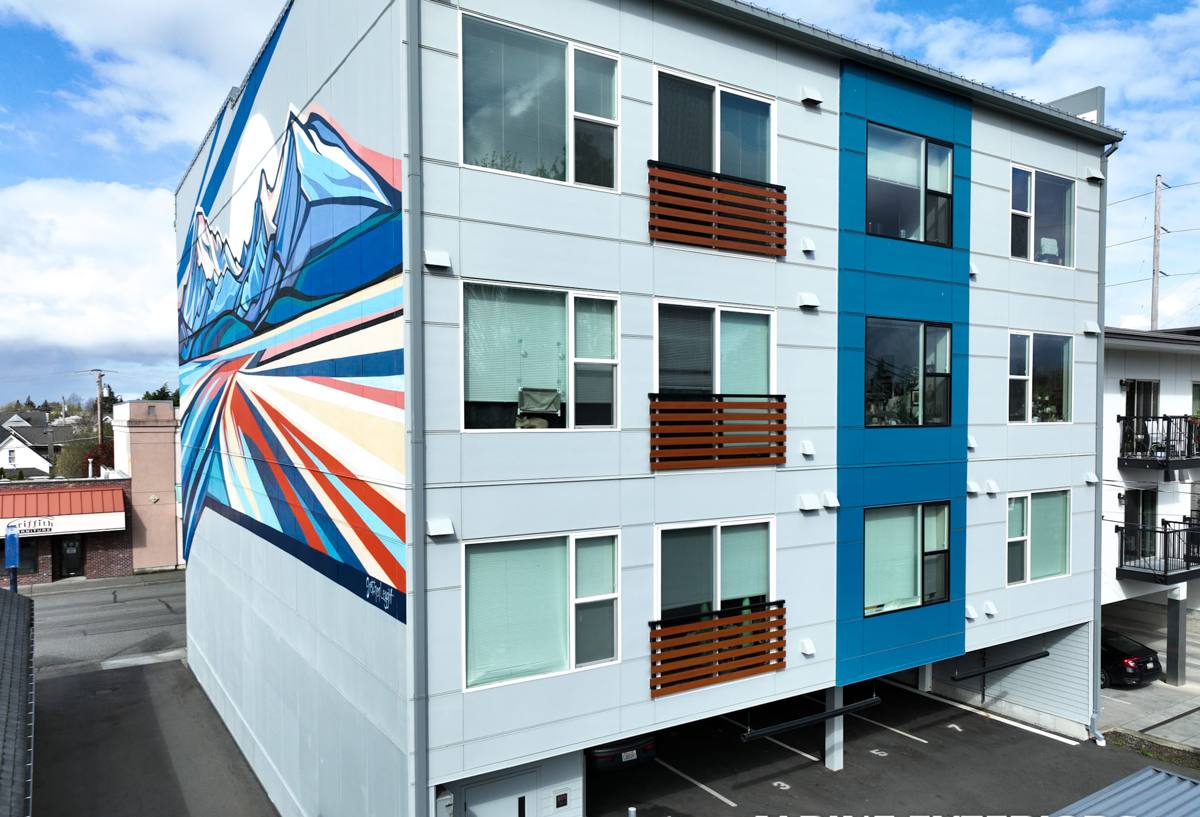
What Treasure Island's Climate Actually Does to Windows
Salt Air and Corrosion
Aluminum frames, hinges, and hardware on barrier island homes corrode noticeably faster than the same materials just a few miles inland. Pitting and white oxidation on older aluminum frames is common, and once corrosion gets into moving parts like locks and cranks, windows stop sealing tightly even when the glass itself is fine.
Wind-Driven Rain
Rain on Treasure Island rarely falls straight down during a storm — it comes in sideways, driven by wind off the Gulf. That means water intrusion around windows is almost always a flashing and sealant problem, not a "the window is bad" problem. Correct installation is what keeps that water out, not the window brand alone.
UV Exposure
Florida's UV load is intense and constant. Vinyl frames, low-quality sealants, and window film can all degrade faster here than manufacturer literature written for northern climates would suggest. Frame material and glass coating choices matter more on a Gulf-front property than they would elsewhere.
Wind Pressure and Debris
During tropical storms and hurricanes, windows face both direct wind pressure and the risk of impact from wind-borne debris. Pinellas County's coastal areas fall within Florida's wind-borne debris region under the Florida Building Code, which is why window choice and installation method on Treasure Island get scrutinized more closely than they would inland.
What a Correct Window Installation Actually Involves
A window installation is only as good as what happens around the window, not just the window itself. Homeowners rarely see this part, but it's where most long-term failures start.
Flashing and Water Management
Proper flashing directs any water that gets past the window frame back out of the wall assembly instead of into it. On a barrier island home, this step isn't optional — it's the difference between a window that stays dry through a decade of storms and one that quietly rots the framing behind it.
Fastening and Structural Attachment
Impact-rated and code-compliant windows are only rated as installed — the frame has to be fastened according to the manufacturer's tested installation instructions and the product's Florida approval, using the correct fastener type, spacing, and embedment into structural framing. Shortcuts here void both the wind rating and the warranty, even if the window itself is a good product.
Sealing and Weatherproofing
Interior and exterior sealant, backer rod, and weatherstripping all have to be done correctly and with materials rated for sustained UV and salt exposure. Cheap or improperly applied sealant is one of the most common causes of the "brand new window, still leaks" complaint we hear about on older installs.
Impact-Rated vs. Standard Windows with Shutters
Homeowners on Treasure Island generally choose between impact-rated windows and standard windows paired with hurricane shutters. Both can meet code, but they behave very differently day to day.
| Factor | Impact-Rated Windows | Standard Windows + Shutters |
|---|---|---|
| Storm protection | Built into the window itself, always in place | Only effective if shutters are deployed before the storm |
| Daily UV and noise reduction | Laminated glass cuts UV and outside noise year-round | No daily benefit — shutters sit unused most of the year |
| Maintenance | Frame and glass, no separate hardware to maintain | Shutter tracks and hardware need their own upkeep in salt air |
| Convenience during a storm | Nothing to install or store | Requires time, access, and sometimes a second person to deploy |
| Upfront cost | Higher per opening | Lower per opening, but adds up across a whole house |
| Aesthetic impact | No change to the home's exterior look | Visible when shutters are up; some styles more visible than others |
Neither option is wrong. A homeowner who's rarely on the island when a storm approaches often leans toward impact-rated glass simply because there's nothing to remember to do. A homeowner comfortable maintaining shutter hardware may prefer the lower upfront cost. We'll walk through both honestly for your specific home rather than push one option across the board.
Florida Building Code and What It Means for Your Windows
Coastal Pinellas County, including Treasure Island, falls within Florida's wind-borne debris region, which sets specific requirements for window products and how they're installed on homes exposed to high wind pressures. In practice, that means:
- New and replacement windows generally need Florida product approval documentation matching the design pressures for your home's location and height.
- Window replacement typically requires a building permit through the local jurisdiction, and inspection of the completed work.
- Older homes on the island may have windows that predate current code and don't meet today's wind-borne debris requirements, which is worth knowing whether you're replacing now or planning ahead.
- Installation method matters as much as the product rating — a correctly rated window installed incorrectly does not perform to its rating in an actual storm.
We handle the permitting and documentation side as part of the job, so you're not left trying to interpret code language on your own.
Common Window Problems We See on Treasure Island Homes
A few issues show up repeatedly on barrier island properties, more often than they do a few miles inland:
- Corroded aluminum frames and hardware from years of salt air exposure, even when the glass itself is intact.
- Failed seals and fogged glass in older double-pane units, caused by UV and heat cycling breaking down the seal over time.
- Water staining around frames from wind-driven rain finding gaps in aging flashing or sealant.
- Single-pane or non-impact windows still in place on older homes that were never upgraded to meet current wind-borne debris requirements.
- Hardware that's stiff, stuck, or won't lock properly due to corrosion in cranks, locks, and hinges.
Signs It's Time to Replace, Not Repair
- Visible fogging or moisture between panes that won't clear
- Frames that are pitted, corroded, or soft to the touch
- Windows that don't carry current Florida product approval for your wind zone
- Noticeable drafts or water intrusion during wind-driven rain
- Locks or cranks that no longer operate smoothly
Our Window Installation Process
- On-site assessment. We look at existing window openings, framing condition, and any signs of past water intrusion before recommending anything.
- Product selection. We go over impact-rated vs. standard options, frame materials, and glass packages based on your home's exposure and your budget.
- Permitting. We handle the permit application and documentation required for your jurisdiction.
- Careful removal. Old windows come out without unnecessary damage to surrounding stucco, siding, or trim.
- Opening prep and flashing. Any damaged framing is addressed and the opening is properly flashed before the new window goes in — this is the step that determines whether the install stays dry long-term.
- Installation to manufacturer and code specifications. Correct fasteners, spacing, and shimming so the window performs to its rated capacity.
- Sealing and finish work. Interior and exterior sealant, trim, and cleanup.
- Final inspection. We confirm the work passes the required jurisdictional inspection before we consider the job done.
Frame Material Options
Frame material affects how a window holds up in salt air and UV over the years, not just how it looks on day one.
- Vinyl — won't corrode from salt air, generally lower cost, but quality varies a lot between manufacturers and cheaper vinyl can degrade faster under constant Florida UV.
- Aluminum — strong and slim-profile, but standard aluminum is the material most vulnerable to salt-air corrosion over time unless it's a marine-grade or properly coated product.
- Fiberglass — highly resistant to both corrosion and UV degradation, generally the most durable option in a barrier island environment, at a higher price point.
We'll talk through the honest tradeoffs for your home rather than push whichever product happens to be easiest for us to install.
Cost Factors for Treasure Island Window Projects
Every home is different, but a few factors consistently drive the cost of a window installation project up or down:
| Factor | How It Affects Cost |
|---|---|
| Impact-rated vs. standard glass | Impact-rated glass costs more per window than standard glass, offset by not needing separate shutters |
| Frame material | Fiberglass typically costs more than vinyl; aluminum varies depending on grade and coating |
| Number and size of openings | More openings and larger windows increase both material and labor cost |
| Existing frame condition | Rotted or damaged framing behind old windows adds repair work before the new window can go in |
| Retrofit vs. full-frame replacement | Full-frame replacement costs more but is often necessary when the existing frame is out of code or damaged |
| Permit and inspection requirements | Factored into project cost but necessary for code compliance and insurance purposes |
We give straightforward, itemized estimates so you can see exactly what's driving the number, rather than a single lump figure.
Why Hiring a Crew That Already Works Treasure Island Matters
Barrier island jobs come with logistics that inland jobs don't: limited parking and staging space, bridge access, and homes that are often close together or governed by condo or HOA rules about work hours and access. A crew that's worked the island before knows how to plan around that instead of losing time figuring it out on your dime.
Just as important is familiarity with what these homes actually need. A crew used to inland Pinellas County work may not think twice about standard aluminum hardware or a sealant that's fine 15 miles from the water but won't hold up on a Gulf-front property. Local experience on Treasure Island specifically — not just "Florida experience" in general — is what catches those details before they become a callback.
Get a Free, No-Pressure Estimate
If you're weighing window replacement on your Treasure Island home, we're happy to take a look, walk you through impact-rated and standard options honestly, and give you a straightforward estimate — no pressure, no hard sell. Use the form below to get started.