 Seminole Siding
 Windows Built for a Barrier Island, Not Just a Florida Zip Code
Redington Beach sits on a narrow strip of land with the Gulf of Mexico on one side and the Intracoastal Waterway on the other. That location is what makes it beautiful, and it's also what makes window installation here a different job than it is ten miles inland in Seminole proper. Homes on this stretch of Pinellas County take direct salt air, sustained onshore wind, and unfiltered UV exposure almost every day of the year, not just during storm season. A window that's rated fine for a subdivision in central Pinellas can fail early on a barrier island if it wasn't chosen and installed with that exposure in mind.
This page is specifically about replacing or installing windows on homes in and around Redington Beach — what the local conditions actually demand, what a correct installation looks like, and how our process is built around the realities of working this close to the water.
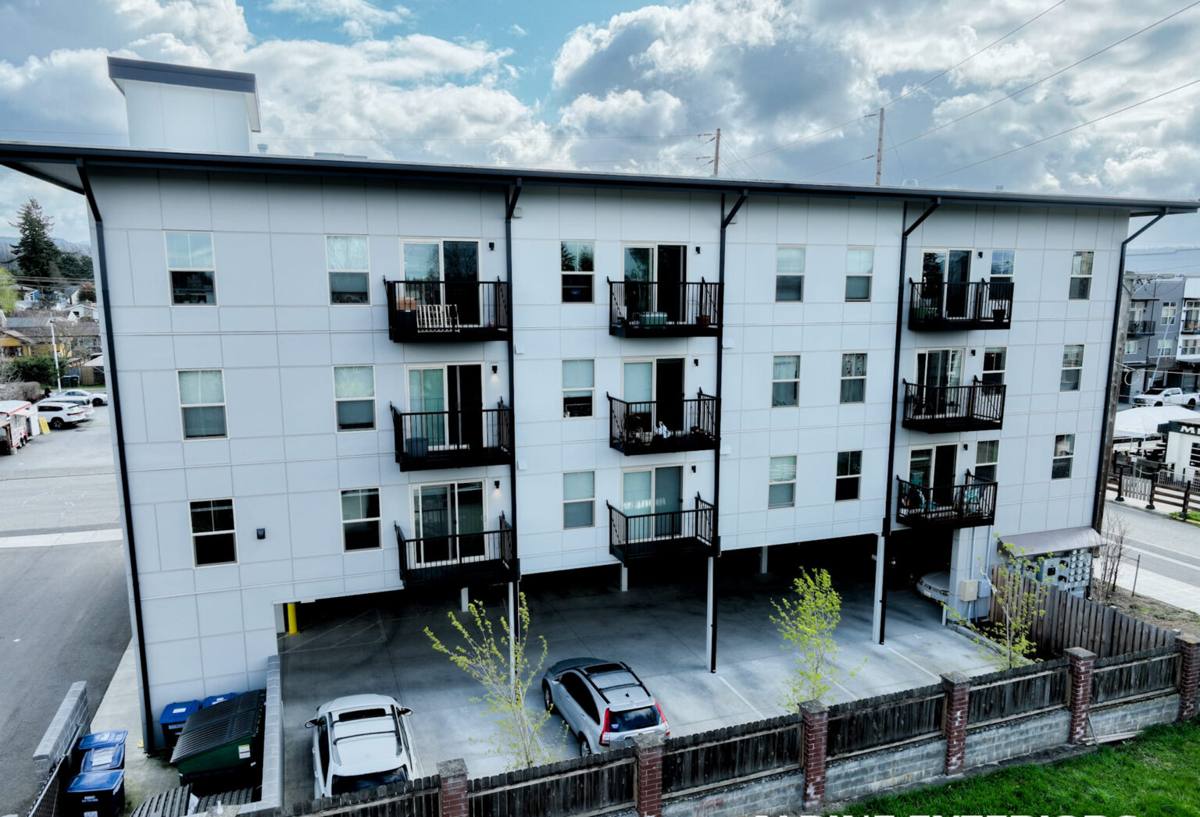
What Redington Beach's Climate Does to Windows
A handful of local conditions drive almost every window problem we see out here:
Salt Air Corrosion
Airborne salt settles on and around window frames, hardware, and fasteners constantly. Over years, it corrodes weak metal components, pits poor-quality finishes, and can work into gaps around improperly sealed frames. Windows and hardware need to be rated for coastal/marine exposure, not just standard exterior use.
Wind Load
Direct Gulf exposure means these homes see higher sustained wind and gustier conditions than inland properties, on top of the hurricane risk every Florida homeowner already plans for. Windows here need to meet wind-load and wind-borne debris requirements set by the Florida Building Code for this coastal wind zone — not a generic minimum.
Wind-Driven Rain
It's not just the wind and it's not just the rain — it's rain being pushed sideways into the building envelope during storms. A window can be structurally strong and still leak if the flashing and sealing around it weren't done correctly, because wind-driven rain finds every weak point in an installation, not just gaps in the glass unit itself.
Constant UV
Year-round sun exposure breaks down cheap vinyl, degrades seals, and fades or yellows lower-quality frame materials faster than in northern climates. UV resistance in the frame material and the glazing itself matters more here than in most of the country.
Signs a Redington Beach Home Needs New Windows
Because of the exposure, window problems here often show up earlier than homeowners expect. Common warning signs we look for:
- Fogging or a cloudy film between panes (broken seal on double-pane units)
- Frames that feel soft, chalky, or are visibly pitted from salt corrosion
- Windows that are difficult to open, close, or lock — often a sign the frame has shifted or warped
- Drafts or a whistling sound during windy conditions
- Water staining or soft drywall on the interior wall below or around a window
- Visible daylight or gaps around the frame from outside
- Noticeably higher cooling bills without another clear cause
- Rust streaks running down from hardware or fasteners
Any one of these on its own isn't necessarily an emergency, but on a Gulf-front or near-Gulf home, they tend to compound quickly. A window that's leaking air is usually not far from leaking water too.
What a Correct Installation Actually Involves
Window installation done right is mostly about what happens before and around the glass unit going in — not the window itself. On a coastal property, the details matter more, not less.
Removal and Opening Inspection
Once the old window is out, the rough opening gets inspected for hidden damage — rotted framing, deteriorated sheathing, or old flashing that's failed. This is common on older Redington Beach homes where salt air and moisture have been working on the structure for years, sometimes invisibly from the outside.
Flashing and Weatherproofing
Proper flashing tape and sealants direct any water that gets past the window itself back out of the wall assembly, rather than letting it pool or soak into framing. This step is what actually stops wind-driven rain intrusion — it matters as much as the window's own rating.
Correct Fastening for Wind Load
Windows near the Gulf need to be fastened to meet the wind-load and impact requirements for this coastal zone under the Florida Building Code, using the fastener type, spacing, and anchoring the product's approval actually specifies. Cutting corners here is invisible until a storm tests it.
Sealing and Finish Work
Interior and exterior sealant beads, trim, and finish work close out the job — but they also form the last line of defense against water and air intrusion, so they're not just cosmetic.
Permitting
Window replacement in Pinellas County generally requires a permit, and coastal properties often have additional documentation tied to wind rating and product approval. We handle the permit process and make sure the installed product's paperwork matches what's required for the home's location and exposure category.
Choosing the Right Frame Material for This Location
There's no single "best" window material for every home — it depends on budget, the home's exposure, and how much maintenance the owner wants to take on. Here's how the common options hold up specifically in a direct-Gulf-air environment like Redington Beach:
| Frame Material | Salt Air Performance | Maintenance | Typical Trade-Off |
|---|---|---|---|
| Vinyl | Good — won't corrode, but lower-grade vinyl can degrade under constant UV | Low | Budget-friendly; quality varies a lot between products |
| Aluminum | Fair to good depending on finish; standard aluminum is prone to corrosion near salt air unless properly coated | Moderate | Strong and slim sightlines, but coating quality matters a lot this close to the Gulf |
| Fiberglass | Very good — dimensionally stable, resists both corrosion and UV degradation | Low | Higher upfront cost, generally the strongest long-term performer in coastal exposure |
| Wood/Wood-Clad | Poor without diligent upkeep — salt air accelerates rot and finish failure | High | We generally don't recommend bare or lightly clad wood this close to the Gulf |
Glass matters as much as frame material. For this location, we typically recommend laminated impact glass — two panes bonded around an inner layer that holds together under impact — rather than relying solely on shutters or panels for storm protection, since impact glass also cuts down on UV transmission and outside noise year-round, not just during a storm.
Our Window Installation Process
- On-site assessment — we walk the home, check existing window condition and rough openings, and talk through what the property's exposure actually calls for.
- Product selection — we go over frame material, glass type, and wind rating options based on the home's location and the homeowner's budget, without pushing a single "one size fits all" product.
- Permitting — we pull the required Pinellas County permit and prepare the product documentation the county will want to see.
- Removal and opening prep — old units come out, openings get inspected and repaired if needed before anything new goes in.
- Installation — flashing, correct fastening for wind load, and window setting done to the product's approved installation method.
- Sealing and finish — interior and exterior sealing, trim, and cleanup.
- Final walkthrough and inspection — we confirm operation, check the seal, and make sure the job is ready to pass county inspection.
Cost Factors for Redington Beach Window Projects
Every home is different, so we don't quote sight unseen — but these are the main factors that move the price on a coastal window job:
| Factor | Why It Matters |
|---|---|
| Number and size of openings | More or larger windows means more material and labor |
| Wind rating required | Higher wind-load and impact ratings cost more than standard product |
| Frame material | Fiberglass and high-grade vinyl cost more upfront than basic vinyl or standard aluminum |
| Condition of existing openings | Rot or structural repair found during removal adds labor |
| Access and site conditions | Second-story or hard-to-access units on narrow lots can add time |
| Permit and inspection requirements | Coastal documentation requirements can add administrative time |
We'd rather walk the home and give an honest number than throw out a broad range that doesn't mean much once we see the actual openings and their condition.
Why a Crew That Already Works Redington Beach Matters
Window installation isn't just a product install — it's a judgment call on flashing details, fastening, and material choice that has to match the specific exposure of the home. A crew that regularly works barrier island and near-Gulf properties in Pinellas County already knows what salt air does to standard hardware over five years, what wind-driven rain does to a poorly flashed opening during the first real storm, and which permit and documentation requirements apply to this stretch of coastline. That local track record shows up in the details — the flashing under the trim, the fastener spec, the sealant that's actually rated for constant sun and salt exposure — not in anything visible from the street on installation day.
Ready for a Straight Answer on Your Windows?
If you're dealing with drafty, foggy, or aging windows on your Redington Beach home, we're glad to come take a look and give you an honest read on what's going on and what it would take to fix it right. There's no pressure and no obligation — just a straightforward estimate based on what your home actually needs. The form below is the easiest way to get started.