 Seminole Siding
 Asphalt Shingle Roofing Built for Clearwater's Coastal Climate
Clearwater sits close enough to the Gulf that its roofs take a different kind of beating than homes even a few miles inland. Between the salt air rolling off the coast, the intensity of Florida sun almost every day of the year, and the wind-driven rain and gusts that come with our storm season, an asphalt shingle roof here is working harder than the same roof would be in most of the country. We're based in Seminole, just south of Clearwater, and this is the roofing work we do most — homes in Pinellas County that need a roof matched to what this coastline actually does to it, not a generic install.
This page covers what a correctly installed asphalt shingle roof looks like for a Clearwater home, how we handle the local wind and code requirements, what it costs and why, and how our process works from first call to final walkthrough.
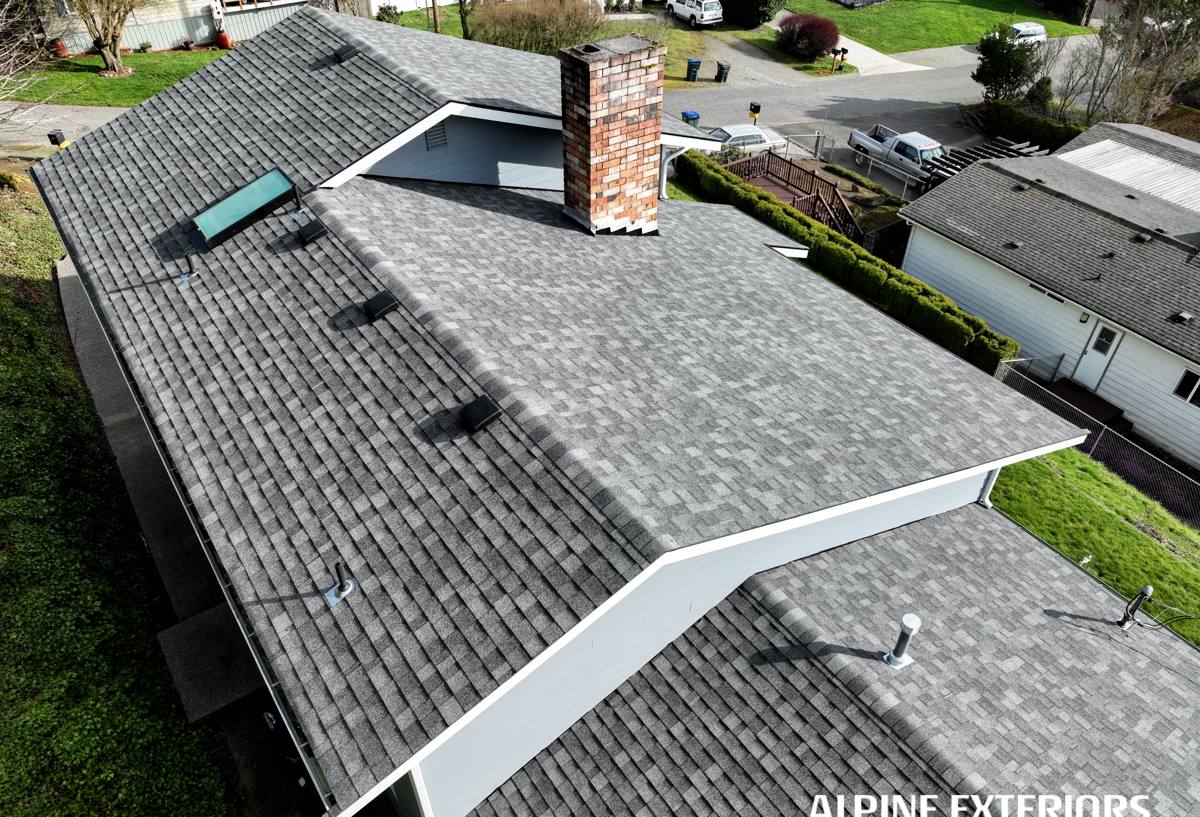
What This Climate Does to a Shingle Roof
UV and Heat
Asphalt shingles rely on an oil-based mat and granule coating to stay flexible and reflect heat. Florida's sun exposure is close to year-round, and attic temperatures on a poorly ventilated roof can climb well past what the shingle manufacturer designed for. Over time that heat dries out the asphalt, and shingles that would last 25 years in a milder climate often show granule loss and brittleness sooner here. Ventilation and shingle quality both matter more in Clearwater than they would somewhere with a real winter.
Wind and Wind-Driven Rain
Pinellas County isn't in the state's High-Velocity Hurricane Zone, but it's still a coastal wind zone under the Florida Building Code, and Clearwater gets tropical storm and hurricane wind events most years. The failure point in a storm usually isn't the shingle material itself — it's the fasteners, the sealant strips, and the edges. Wind gets under a shingle tab that wasn't nailed or sealed correctly, and once one tab lifts, the ones next to it go with it. Wind-driven rain then finds any gap in the underlayment or flashing and works its way into the decking.
Salt Air and Humidity
Being this close to the Gulf means metal components — nails, flashing, vent stacks — corrode faster than they would inland. Standard fasteners can start rusting and losing holding power years before the shingles themselves wear out. Humidity also feeds algae growth, which shows up as dark streaking on north-facing slopes and shaded areas, especially on older or lower-grade shingles.
What a Correct Installation Actually Includes
A shingle roof is a system, not just the visible shingle layer. Skipping or shortcutting any of these is where most roof failures in this area start:
- Deck inspection and repair — any soft, delaminated, or water-damaged plywood gets replaced before anything goes back on, not covered over.
- Underlayment — a synthetic or self-adhering underlayment as the roof's real waterproof layer, with self-adhering ice-and-water-shield-type membrane at valleys, eaves, and roof-to-wall transitions where wind-driven rain concentrates.
- Drip edge at all eaves and rakes, installed under the underlayment at the eave and over it at the rake, so water is directed into the gutter instead of behind the fascia.
- Flashing at every chimney, skylight, wall intersection, and roof penetration — step flashing and counter-flashing, not just sealant, which degrades in UV and heat far faster than metal.
- Wind-rated nailing pattern — enough nails, placed in the manufacturer's nailing zone, not the sealant strip. In coastal wind zones this often means six nails per shingle instead of the minimum four.
- Ridge and soffit ventilation balanced so hot attic air actually exhausts instead of just moving around, which protects both the shingles from below and your energy bills.
Choosing a Shingle for a Clearwater Home
Not every shingle line is built the same way, and the right choice depends on your roof's exposure, your budget, and how long you plan to stay in the home.
| Shingle Type | Wind Rating (Typical) | Realistic Lifespan Here | Best For |
|---|---|---|---|
| 3-Tab | Lower end of the range | 12–18 years | Budget-driven projects, rentals, short-hold properties |
| Architectural / Laminate | Mid-to-high, varies by line | 18–25 years | Most owner-occupied Clearwater homes — the standard we install most |
| Class 4 Impact-Rated | Highest, plus impact resistance | 20–25+ years | Homes wanting the best storm performance and, in some cases, an insurance premium credit |
We don't push the most expensive option on every roof. What we won't do is install a shingle line or a fastening method we know performs poorly in a coastal wind zone just because it's cheaper up front — the maintenance calls and premature failures cost the homeowner more than the difference in materials.
Wind Rating, Permits, and Code in Pinellas County
Every reroof in Clearwater requires a permit, and the work has to meet the current Florida Building Code wind provisions for this area, including the nailing pattern and underlayment requirements that apply here. We pull the permit, and the job gets inspected — that inspection is your record that the roof was actually installed to code, which matters for resale and for insurance. If a roofer offers to skip the permit to save time, that's a red flag, not a favor.
Tear-Off vs. Roof-Over
Florida code allows a second layer of shingles over an existing layer in limited cases, but we don't recommend it and rarely do it. A roof-over traps heat against the new shingles from underneath, hides the condition of the deck, and adds weight without adding real wind performance. A full tear-off costs more up front but lets us inspect and repair the decking, install proper underlayment and flashing, and start the new roof's warranty clock clean. For a coastal home that's going to see storm wind every year, that inspection is worth the extra cost.
What Affects the Cost
| Factor | Why It Matters |
|---|---|
| Tear-off vs. roof-over | Tear-off adds labor and disposal cost but is the only way to inspect and fix the deck |
| Roof pitch and complexity | Steep roofs, multiple valleys, and dormers take more labor and material than a simple gable roof |
| Decking condition | Rotted or delaminated plywood found during tear-off has to be replaced, priced by the sheet |
| Shingle tier | 3-tab, architectural, and Class 4 impact-rated shingles all have different material costs |
| Flashing and penetrations | More chimneys, skylights, and vent stacks mean more custom flashing work |
| Permit and disposal | Municipal permit fees and dump/disposal costs are part of every legitimate reroof quote |
Any honest quote for a Clearwater home should account for the fact that this is a coastal wind zone — a bid that looks unusually low is often missing underlayment upgrades, proper flashing, or code-required nailing.
Our Process
- Inspection and estimate — we look at the existing roof, attic ventilation, and any trouble spots, and give you a written scope and price.
- Tear-off and deck check — old material comes off, the deck is inspected board by board, and any damaged sections are replaced.
- Underlayment and flashing — synthetic underlayment with membrane at valleys and transitions, new drip edge, and new step/counter-flashing at every penetration.
- Shingle installation — installed to the wind-rated nailing pattern this area requires, not the manufacturer's bare minimum.
- Ventilation and cleanup — ridge and soffit venting checked and balanced, then a full magnetic sweep of the yard for nails and debris.
- Final walkthrough — we go over the finished roof with you before we consider the job done.
Signs Your Clearwater Roof Needs Attention
- Granules collecting in gutters or at downspout outlets
- Shingle edges curling, cupping, or looking "shingle-shaped" instead of flat
- Missing, lifted, or cracked shingles after a windstorm
- Dark streaking, especially on shaded or north-facing slopes
- Soft or spongy spots when walking the roof, or sagging visible from the ground
- Daylight or water stains visible in the attic
- Rising cooling bills with no other explanation
- Roof is approaching or past 15–20 years old and hasn't been reroofed
Why a Local Seminole-Based Crew Matters
We work Clearwater and the rest of Pinellas County regularly, which means we already know what this coastline does to a roof and what the local permitting process requires — we're not learning it on your job. Being close by also matters after the sale: if a storm rolls through and you need someone to check the roof or handle a repair, you're calling a crew that's five minutes away and already knows your roof, not searching for whoever answers the phone.
If you're weighing a repair against a full reroof, or just want an honest read on how much life is left in your current roof, we're happy to take a look. Fill out the form below for a free, no-pressure estimate.