 Seminole Siding
 New Roofs Built for Belleair's Coastal Conditions
Belleair sits close enough to the Gulf that salt air, humidity, and wind are part of daily life for every roof in the neighborhood. A new roof here isn't just a cosmetic upgrade — it's the single biggest factor in whether a home stays dry and intact through the next tropical system. We're based in Seminole and have spent years working roofs throughout this stretch of Pinellas County, so we know what actually holds up under local sun and storms versus what looks good on a spec sheet in a showroom two states away.
This page covers what a correct new roof installation looks like specifically for Belleair homes, the materials and methods that make sense given our climate, and how our process runs from first call to final inspection.
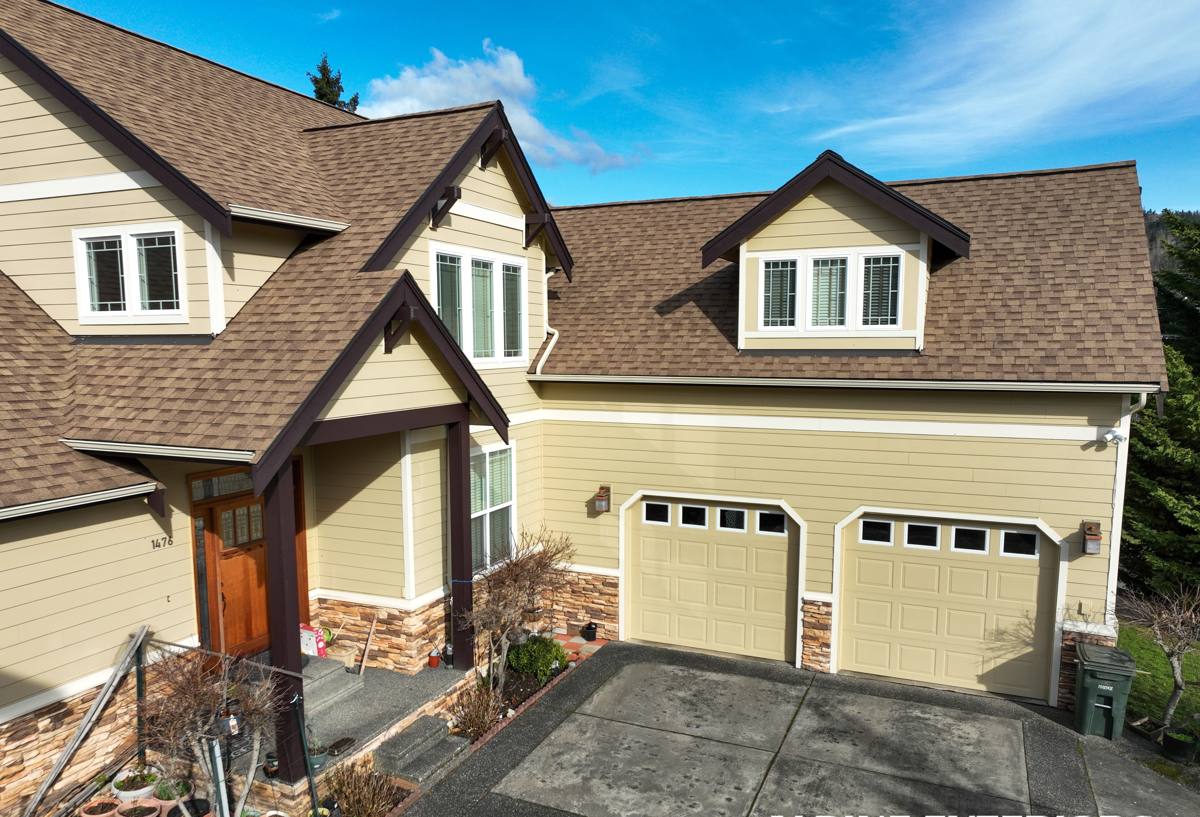
What Belleair's Climate Actually Does to a Roof
Pinellas County roofs deal with a specific combination of stressors, and they don't take turns — they hit at the same time.
- Hurricane-force wind: Uplift at the roof edges, ridge, and corners is what tears shingles and panels off during tropical storms and hurricanes. Fastening pattern and edge detail matter more than the shingle brand.
- Year-round UV exposure: Florida sun is intense in every season, not just summer. UV breaks down asphalt oils and degrades unprotected underlayment faster than in northern climates, which is why roof lifespans here often run shorter than the manufacturer's rated years.
- Wind-driven rain: Storms here rarely fall straight down. Wind pushes rain sideways and up under laps, edges, and flashing, so a roof that's fine in a calm downpour can still leak in a windy one.
- Salt air: Being close to the coast means airborne salt accelerates corrosion on exposed metal — nails, flashing, vents, and fasteners — long before the roofing material itself wears out.
None of this is unique to Belleair, but it's more concentrated here than it is further inland, which is why we treat every Belleair roof as a coastal install, not a standard one.
What a Correct New Roof Installation Involves
Tear-Off and Deck Inspection
We don't install a new roof over an old one, and we don't recommend anyone else does either in this climate. A full tear-off lets us actually see the deck — wood sheathing hides rot, soft spots, and old water damage that a re-cover would just seal over. Any damaged decking gets replaced before anything new goes down. Skipping this step is the single most common shortcut that leads to premature failure.
Underlayment
The underlayment is your roof's real waterproof barrier — the visible shingles or panels on top are the first line of defense, but the underlayment is what actually keeps water out if wind drives rain past that first layer. For Belleair roofs we lean toward synthetic or self-adhering underlayment in vulnerable zones (valleys, eaves, around penetrations) because it holds up better to the wind-driven rain pattern common here than older felt products.
Fastening and Wind Rating
This is where a hurricane-aware install differs most from a generic one. Nailing pattern, nail count per shingle or panel, and reinforced fastening at the perimeter and corners all affect how the roof performs in high wind. Florida Building Code sets minimums for our wind zone, and we build to meet or exceed those, not just hit the bare minimum.
Flashing and Penetrations
Every chimney, vent pipe, skylight, and wall intersection is a place water can get in. Flashing has to be sized, lapped, and sealed correctly — and given the salt air, we favor corrosion-resistant metals and fasteners at these points so they're not the first thing to fail in five years.
Ventilation
A hot, poorly ventilated attic bakes roofing material from underneath, shortening its life regardless of what's on top. Proper intake and exhaust ventilation keeps attic temperatures down and helps the new roof reach its expected service life in our climate.
Material Choices: Honest Trade-Offs
There's no single "best" roofing material for every Belleair home — it depends on budget, roof shape, and how long the homeowner plans to stay in the house. Here's how the common options actually compare for a coastal Pinellas County install.
| Material | Typical Lifespan Here | Wind Performance | Maintenance Notes |
|---|---|---|---|
| Architectural asphalt shingle | 15–20 years | Good when rated and fastened correctly for our wind zone | Most affordable; periodic inspection for UV wear and lifted tabs |
| 3-tab asphalt shingle | 10–15 years | Lower wind resistance than architectural shingles | Lowest upfront cost; shorter lifespan in this climate |
| Standing seam metal | 30–50 years | Excellent when properly fastened | Higher upfront cost; needs coastal-grade fasteners and coatings to manage salt exposure |
| Concrete or clay tile | 30-50+ years | Very good, but individual tiles can crack or dislodge in extreme wind | Heavier structural load; underlayment failure is usually the real weak point, not the tile |
We'll walk through which option fits your roof shape and budget honestly during the estimate — we're not going to steer you toward the highest-margin product if it's not the right fit for your house.
A Note on Product Selection
We're selective about which underlayment, flashing metals, and fastener grades we use, not because every alternative on the market is bad, but because our professional standard is built around what we've seen actually perform through Gulf coast salt exposure and wind events over time. Cheaper fastener grades and thin flashing metal can look identical to the higher-grade version on install day and still fail years earlier once corrosion sets in — that's a maintenance and warranty problem we'd rather avoid up front than deal with as a callback.
Our Process for a Belleair Roof Replacement
- On-site inspection: We walk the roof, check the attic when accessible, and assess deck condition, ventilation, and current flashing.
- Written estimate: A clear scope of work and price — no vague allowances that turn into surprise change orders mid-project.
- Permitting: Pinellas County and local jurisdiction permits are pulled before work starts. This isn't optional and it's not a place to cut corners — permitted work also protects your insurance standing.
- Tear-off and disposal: Old roofing material is removed and hauled off; the deck is inspected and repaired as needed.
- Installation: Underlayment, flashing, and the new roofing material go down following code-minimum or better fastening for our wind zone.
- Final walkthrough and inspection: We review the finished roof with you and coordinate the required inspection sign-off.
Why a Crew That Already Works Belleair Matters
A roofing crew that works Belleair regularly already knows the permitting process with the local jurisdiction, has a feel for how exposed or sheltered different parts of the neighborhood are, and isn't learning the coastal-install details on your house for the first time. Being based in Seminole means we're a short drive away for the walkthrough, the install, and anything that comes up afterward — we're not sending a crew that's passing through the area once and then gone. Familiarity with the area also means fewer surprises on permitting timelines and inspection scheduling, which keeps your project moving instead of stalled waiting on paperwork nobody anticipated.
Signs Your Belleair Roof Needs Replacing, Not Patching
- Shingles that are cupping, curling, or losing granules across large sections, not just one spot
- Soft or spongy decking felt underfoot in the attic or from the ground with binoculars
- Repeated leaks in different locations after previous patch repairs
- Visible daylight through the roof deck from inside the attic
- A roof approaching or past 15-20 years old with no major work done
- Missing or lifted shingles after a storm across a wide area rather than a few isolated tabs
- Rising energy bills that track with worsening attic ventilation or insulation exposure
If you're only seeing one or two isolated issues, a repair may genuinely be the right call — we'll tell you that honestly rather than pushing a full replacement you don't need yet.
Insurance and Storm Considerations
Many Belleair homeowners are replacing a roof either proactively ahead of hurricane season or after storm damage. If you're working with an insurance claim, documentation matters: photos of damage, a clear scope of work, and a contractor who pulls proper permits all support a smoother claims process. We can walk you through what a legitimate scope of repair versus replacement looks like so you're working from accurate information when you talk to your adjuster.
Get a Free, No-Pressure Estimate
If your Belleair roof is showing its age or you just want an honest read on where it stands, we're happy to come take a look. The estimate is free, there's no pressure to commit on the spot, and you'll get a straight answer about whether you need a full replacement or something less. Fill out the form below and we'll get in touch to schedule a time.