 Seminole Siding
 Why Indian Shores Roofs Take a Different Kind of Beating
Indian Shores sits out on the barrier island strip along Pinellas County's Gulf coast, and that location changes what a roof has to survive. There's no tree line or inland buffer to slow the wind down before it hits a roof deck, which means gusts arrive at full force during tropical storms and hurricanes. Add in wind-driven rain that gets pushed sideways under shingle edges and around flashing, near-constant UV exposure that ages roofing materials faster than it does further inland, and salt-laden air that corrodes exposed metal, and you've got a roof system that's working harder every single day than a comparable roof twenty miles inland.
Storm damage repair on the island isn't just about patching what a single event broke. It's about recognizing that the roof was already under more stress going into that storm, and the repair needs to account for that ongoing exposure — not just put things back to "how they looked before."
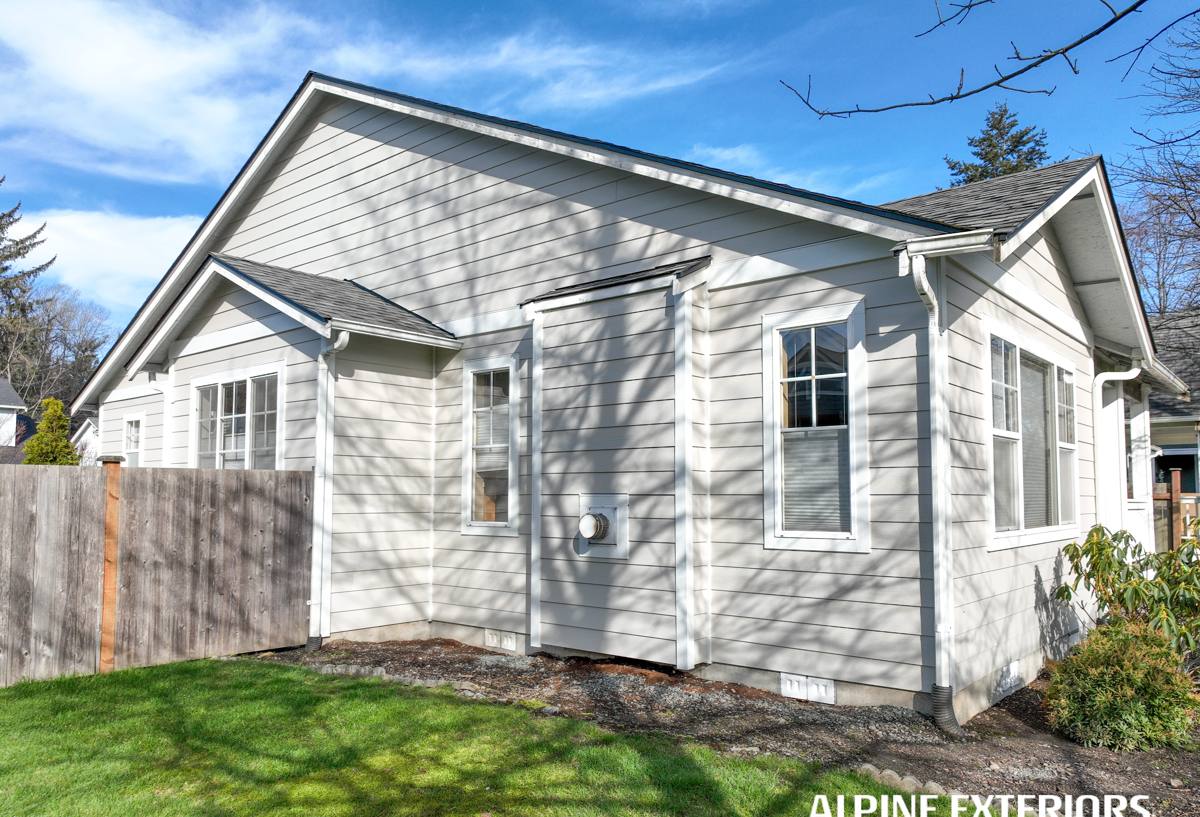
What Actually Counts as Storm Damage
Homeowners often think of storm damage as the obvious stuff — a section of shingles torn off, a visible hole, a tarp already flapping. That's real damage, but it's often the easiest kind to spot and the least of what a storm actually did. The damage that costs the most later is the kind that isn't obvious from the ground.
Visible damage
- Missing, cracked, or lifted shingles or tiles
- Torn or creased ridge caps
- Bent, lifted, or missing flashing around chimneys, vents, and roof-to-wall transitions
- Damaged or detached soffit and fascia
- Debris impact marks or punctures from wind-blown branches, screening, or roof-mounted equipment
Hidden damage
Wind can lift a shingle just enough to break its seal without tearing it off entirely — from the ground it looks fine, but the next rain gets underneath it. Wind-driven rain during a storm can drive water sideways past intact shingles and into the underlayment or roof deck through nail holes, aging flashing, or gaps around penetrations. Salt air accelerates corrosion on exposed fasteners and metal flashing, which can fail months after a storm rather than during it. This is why a proper storm damage inspection on the island has to go past a visual walk of the roof surface and actually check the attic, decking, and flashing detail — not just count missing shingles.
The Cost of Waiting on a Repair
A roof with storm damage rarely gets worse on its own timeline — it gets worse on the weather's timeline, and Pinellas County gets a lot of weather. A compromised seal or a small crack that would be a straightforward repair today can turn into saturated decking, insulation damage, or interior water staining after the next round of wind-driven rain. On a barrier island home, humidity and salt air also mean that any wood exposed to moisture starts to degrade faster than it would inland, so a delay of a few weeks can meaningfully change the scope and cost of the fix. If there's any chance a storm event caused damage, getting it looked at promptly — even if nothing is visibly wrong from the ground — is the cheaper path almost every time.
What a Correct Storm Damage Repair Actually Involves
A repair that just replaces the shingles you can see and calls it done is a repair that's likely to fail again in the next storm. A repair done right addresses the whole assembly:
- Deck inspection — confirming the roof deck underneath the damaged area is dry, sound, and free of rot before anything new goes on top of it
- Underlayment — replacing any underlayment that was compromised, not just the surface material, since this is the actual water barrier
- Flashing detail — flashing around vents, chimneys, and wall transitions is where most leaks originate after a storm, and it needs to be properly integrated, not just caulked over
- Matching materials — matching shingle or tile profile, color, and exposure as closely as possible so the repair blends and performs consistently with the surrounding roof
- Fastener spec — using corrosion-resistant fasteners appropriate for coastal, salt-air exposure rather than standard inland hardware
- Code compliance — repairs on Pinellas County homes need to meet current Florida Building Code wind-resistance requirements, which is a real consideration for repair, not just new construction
Repair vs. Replacement
Not every storm-damaged roof needs a full replacement, and not every roof can be safely patched. The honest answer depends on the roof's age, how much of the surface is affected, and what condition the deck and underlayment are in once we actually get eyes on them. A roof that's 4-5 years from the end of its expected service life and takes significant storm damage is often better served by replacement than by a repair that's really just delaying the inevitable. A newer roof with isolated, localized damage is usually a straightforward repair. Part of our job is giving you a straight answer on which situation you're in, not defaulting to whichever option costs more.
Our Process for Indian Shores Storm Repairs
- Inspection and documentation — we assess the full roof, not just the obvious damage, and photograph everything for your records and any insurance claim
- Written scope and estimate — you get a clear breakdown of what's damaged, what needs to be repaired, and what it will cost, before any work starts
- Temporary protection if needed — if there's active exposure, we get it covered and protected promptly so the situation doesn't worsen while a permanent repair is scheduled
- Permitted repair work — repairs are performed to current code and, where required, permitted through Pinellas County
- Final walkthrough — we go over the completed work with you so you know exactly what was done and what to keep an eye on going forward
Roofing Material Considerations for Barrier Island Exposure
When a repair involves replacing a section of roofing rather than just flashing or underlayment, the material choice matters more here than it does further inland. Each option has real trade-offs for salt air, UV, and wind exposure — none of them are wrong, but each comes with a different maintenance expectation.
| Material | Wind Performance | Salt Air / UV Behavior | Maintenance Consideration |
|---|---|---|---|
| Architectural asphalt shingle | Good, when properly fastened and sealed to current code | UV and heat accelerate granule loss over time; a well-ventilated attic slows this | Moderate — periodic inspection after major storms |
| Metal roofing | Strong wind uplift resistance when properly installed | Requires coastal-rated fasteners and coatings to resist salt corrosion | Lower long-term, but fastener and coating quality matters a great deal here |
| Concrete or clay tile | Heavy and wind-resistant, but individual tiles can crack or dislodge under impact | Handles UV and salt air well; underlayment beneath it is the real wear point | Higher — underlayment failure is often hidden until a leak shows up |
Whichever material a home has, the underlying principle is the same: on this stretch of coast, the flashing, fasteners, and underlayment are doing as much work as the visible roofing surface, and they deserve the same attention during a repair.
Insurance Claims: What to Know Going In
Most storm damage repairs on the island involve a homeowner's insurance claim, and a few things make that process smoother. Document damage as soon as it's safe to do so, before any cleanup happens. Keep any documentation from the storm event itself (dates, local reporting on wind speeds, etc.) alongside your own photos. A written, itemized repair estimate with clear photos of both visible and underlying damage gives your adjuster something concrete to work from, and it's the same documentation we provide as part of our inspection. We're not a public adjuster and we don't represent you in the claims process, but we'll give you accurate, honest documentation of what we find — which is what actually moves a claim forward.
Why It Matters to Hire a Crew That Already Works Indian Shores
Barrier island logistics are different from a typical Pinellas County job. Access is often limited to a single road on and off the island, which can affect scheduling around traffic and seasonal tourism patterns. Many homes here are on HOA-governed streets or condo associations with their own approval steps for exterior work, and knowing that process ahead of time avoids delays. A crew that's already familiar with the wind-load and flashing details these homes actually need — versus a generic inland roof repair — is going to get the diagnosis right the first time instead of missing hidden damage that shows up as a leak three months later. We're based right in Seminole, so this isn't an unfamiliar drive-in job for us — it's a coastline we work regularly.
Simple Storm Prep and Post-Storm Checklist
A few habits go a long way toward catching problems early, before a small issue becomes a big repair:
- Walk the exterior after any named storm or significant wind event and look for obvious debris, lifted shingles, or displaced flashing
- Check the attic (if accessible) for any signs of water staining, damp insulation, or daylight coming through the deck
- Have gutters and downspouts cleared before hurricane season so water has somewhere to go during heavy rain
- Get an annual inspection even in years without major storm damage — salt air and UV wear happen gradually, not just during named events
- Keep a record of your roof's age, last repair, and any manufacturer or workmanship warranty documents in one place
If you're in Indian Shores and dealing with roof damage after a storm — or just want a professional set of eyes on your roof before the next one hits — we'll come out, give you a straight assessment, and put it in writing. Reach out below for a free, no-pressure estimate.