 Seminole Siding
 Roofing a Barrier Island Home Is Not the Same Job as Roofing One Inland
Madeira Beach sits right on the Gulf, and that location changes what a roof has to survive. A shingle roof three miles inland in Pinellas County deals with heat and the occasional storm. A shingle roof on Madeira Beach deals with all of that plus constant salt-laden air, direct sun bouncing off open water, and wind that doesn't lose much speed before it hits the house. None of that means asphalt shingles are the wrong choice for the area — they're still one of the most practical, cost-effective roofing systems available here. It means the installation has to be done with the coastal environment in mind from the first nail to the last.
We install asphalt shingle roofs throughout Seminole and the surrounding Pinellas County coastline, and Madeira Beach jobs get treated differently than a standard inland reroof. This page walks through what that actually looks like.
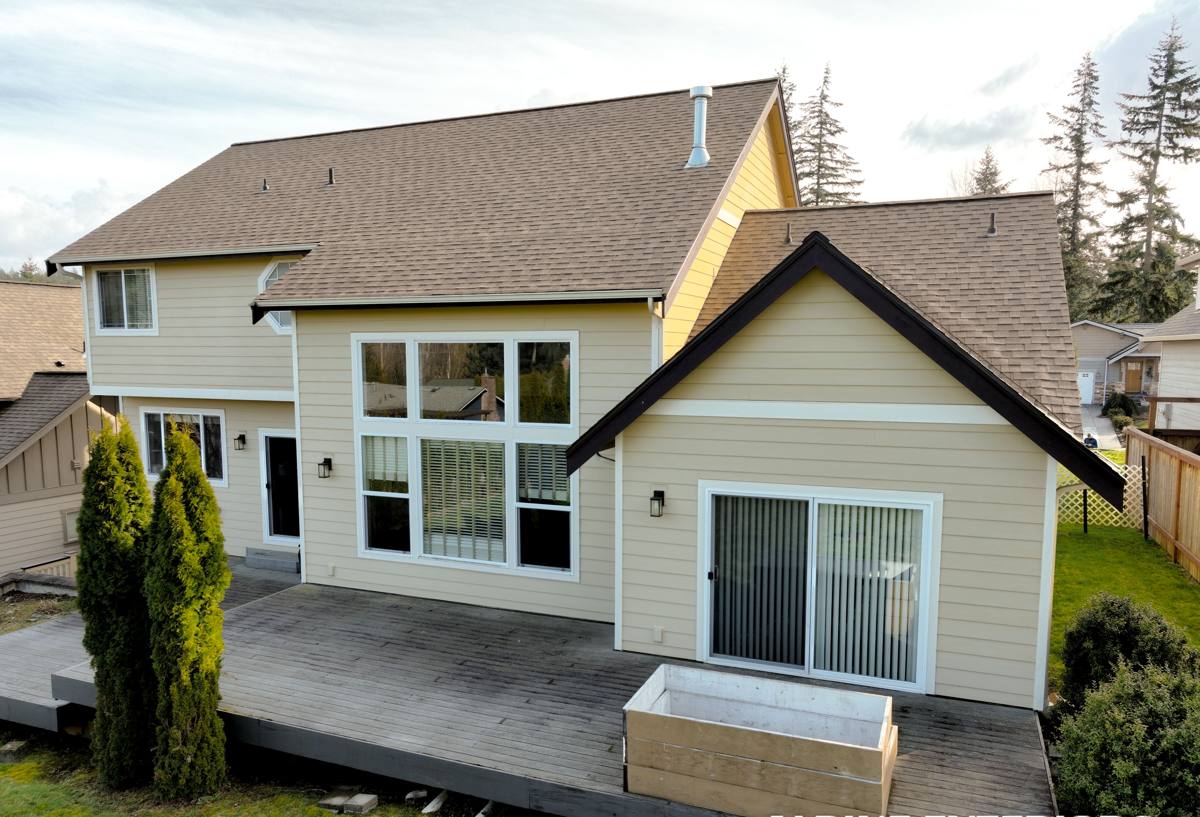
What Coastal Exposure Does to an Asphalt Shingle Roof
Wind
Storm-force gusts don't need a hurricane to cause damage. Sustained coastal wind works shingle edges loose over time, especially at hips, ridges, and rake edges where uplift pressure is highest. A roof that was nailed correctly and sealed properly resists this for decades. One that was rushed starts losing tabs in ordinary summer storms, not just named storms.
UV and heat
Florida sun is hard on roofing everywhere, but reflected glare off the Gulf adds to the exposure on beachside homes. UV breaks down the asphalt in shingles over time, drying out the mat and making it brittle. Lighter shingle colors and proper attic ventilation both slow this process.
Wind-driven rain
Rain that comes in sideways finds every weak point in a roof system — lifted tabs, under-lapped flashing, nail holes that weren't sealed. A roof can look fine from the ground and still be letting water in at the edges during a driving rainstorm.
Salt air
Salt in the air accelerates corrosion on any exposed metal — nails, flashing, vent stacks, drip edge. Standard fasteners and flashing that hold up fine ten miles inland can corrode noticeably faster this close to the water.
Choosing a Shingle That Makes Sense for Madeira Beach
Not every asphalt shingle product is built to the same standard, and the differences matter more here than they would in a low-exposure area. We generally steer coastal clients toward architectural (dimensional) shingles with a higher wind rating rather than basic 3-tab shingles, for reasons of both durability and appearance.
| Shingle Type | Typical Wind Rating | Best Fit For |
|---|---|---|
| 3-tab (economy) | Lower wind rating, lighter construction | Budget-driven inland projects, not our first recommendation for beachside homes |
| Architectural / dimensional | Higher wind rating, heavier laminate construction | Most Madeira Beach homes — better wind performance and a dimensional look |
| Impact-resistant / high-wind-rated | Highest available wind and impact ratings | Homes with direct water exposure or owners prioritizing maximum durability |
Algae-resistant granules are also worth the small upcharge here. Humidity and salt air both encourage the dark streaking that algae growth causes, and once it sets in on a light-colored roof it's hard to reverse without a full cleaning.
What a Correct Installation Actually Involves
The shingle itself only matters if everything underneath and around it is installed correctly. On a coastal reroof, we pay particular attention to:
- Tear-off and deck inspection — old shingles come off completely, and the deck is checked for soft spots, delamination, or fastener pull-through before anything new goes down.
- Underlayment — a synthetic or self-adhering underlayment rated for high-wind, high-moisture exposure, not the cheapest felt option.
- Drip edge and flashing — corrosion-resistant metal at every edge, valley, and penetration, properly lapped so wind-driven rain can't get behind it.
- Starter strip — a proper adhesive starter course along eaves and rakes, since this is the first line of defense against wind uplift.
- Nailing pattern — correct nail count and placement per the manufacturer's high-wind installation instructions, not the minimum standard pattern.
- Ridge and attic ventilation — balanced intake and exhaust airflow, which both extends shingle life and helps control attic heat and moisture.
- Sealed penetrations — vent stacks, pipe boots, and any roof-mounted fixtures flashed and sealed with coastal-grade materials.
Skip any one of these steps and the shingles themselves become almost irrelevant — the roof will fail at its weakest point first.
Our Process on a Madeira Beach Roofing Project
- On-site inspection. We look at the existing roof, the deck condition where visible, attic ventilation, and any trouble spots the homeowner has already noticed.
- Honest scope and estimate. We explain what the roof actually needs — full replacement, partial repair, or targeted flashing and ventilation work — and give a written estimate before any work starts.
- Material selection. We walk through shingle tier, color, and wind-rating options suited to a coastal Pinellas County property, matched to the home's exposure and the owner's budget.
- Permitting. We handle the permit process required for roofing work in the area so the job is inspected and documented correctly.
- Tear-off, deck repair, and installation. Old roofing removed, any damaged decking replaced, then underlayment, flashing, and shingles installed to manufacturer high-wind specifications.
- Final walkthrough and cleanup. We check the finished roof with the homeowner, magnet-sweep the property for stray nails, and haul away all debris.
Signs a Madeira Beach Roof Needs Attention
Coastal exposure tends to show up as small warning signs before it becomes a leak. Worth checking for or asking about:
- Shingle tabs that look lifted, curled, or cupped, especially along ridges and edges
- Granules collecting in gutters or at downspout outlets
- Dark streaking or discoloration across the shingle field
- Rusty streaks near vent stacks, flashing, or exposed fasteners
- Soft spots or sagging noticeable when walking the roof (or visible from the attic)
- Daylight visible through the roof deck from inside the attic
- A noticeable jump in attic temperature or humidity
Any one of these on its own may just call for a repair. Several at once usually means the roof is nearing the end of its service life.
Living With a Coastal Roof: Maintenance That Actually Helps
Asphalt shingle roofs in salt air environments benefit from a bit more attention than the same roof would need further inland. Keeping gutters clear so water doesn't back up under the shingle edge, rinsing off accumulated salt and debris periodically, trimming back overhanging branches that hold moisture against the roof, and having the roof looked at after any major storm all add real years to its life. None of this is complicated or expensive — it's mostly about not letting small problems sit.
What Drives the Cost of a Shingle Roof in This Area
| Factor | Why It Matters Here |
|---|---|
| Shingle tier | Higher wind-rated, impact-resistant products cost more upfront but perform better in coastal conditions |
| Roof size and pitch | Larger and steeper roofs require more material and labor time |
| Tear-off vs. layover | Full tear-off costs more than a layover but is almost always the right call on coastal homes with underlying wear |
| Deck condition | Rotted or delaminated decking found during tear-off adds material and labor to replace it properly |
| Flashing and ventilation upgrades | Corrosion-resistant flashing and improved attic ventilation add modest cost but pay off in longevity |
| Permitting | Required for roofing work in the area and factored into the overall project cost |
We give straightforward, itemized estimates so homeowners can see exactly what they're paying for rather than a single lump number.
Why Hiring a Crew That Already Works Madeira Beach Matters
A roofing crew that mostly works inland can still do competent work, but they may not default to coastal-grade fasteners, corrosion-resistant flashing, or high-wind nailing patterns unless asked. A crew that regularly works Madeira Beach and the rest of the Pinellas County coastline treats those choices as standard, not upgrades. That familiarity also extends to knowing how local permitting and inspection typically go, how to sequence work around Florida's storm season, and what this specific stretch of coastline tends to do to a roof over time. Based just up the road in Seminole, we're not learning the coastal environment on someone's home — we already account for it.
If your roof is due for a look — whether it's a full replacement, a repair, or just a second opinion — we're happy to come out, inspect it, and give you a straightforward, no-pressure estimate. There's no obligation and no sales pressure, just an honest read on what your roof actually needs. Use the form below to get started.