 Seminole Siding
 Fiber Cement Siding for Belleair's Coastal Conditions
Belleair sits on a stretch of Pinellas County where the Gulf and the Intracoastal Waterway are never far from any given lot. That location is a major part of the town's appeal, and it's also exactly why siding here fails faster than siding does fifty miles inland. Salt-laden air, near-constant UV exposure, and the real possibility of hurricane-force wind and wind-driven rain all act on the exterior of a home at the same time, year after year. A siding product that isn't built for that combination will show it in under a decade — chalking paint, soft spots at the bottom courses, seams that have opened up. This page covers what fiber cement siding does differently, what a correct installation actually requires in this specific climate, and why we install only James Hardie products rather than the wider range of fiber cement and composite options on the market.
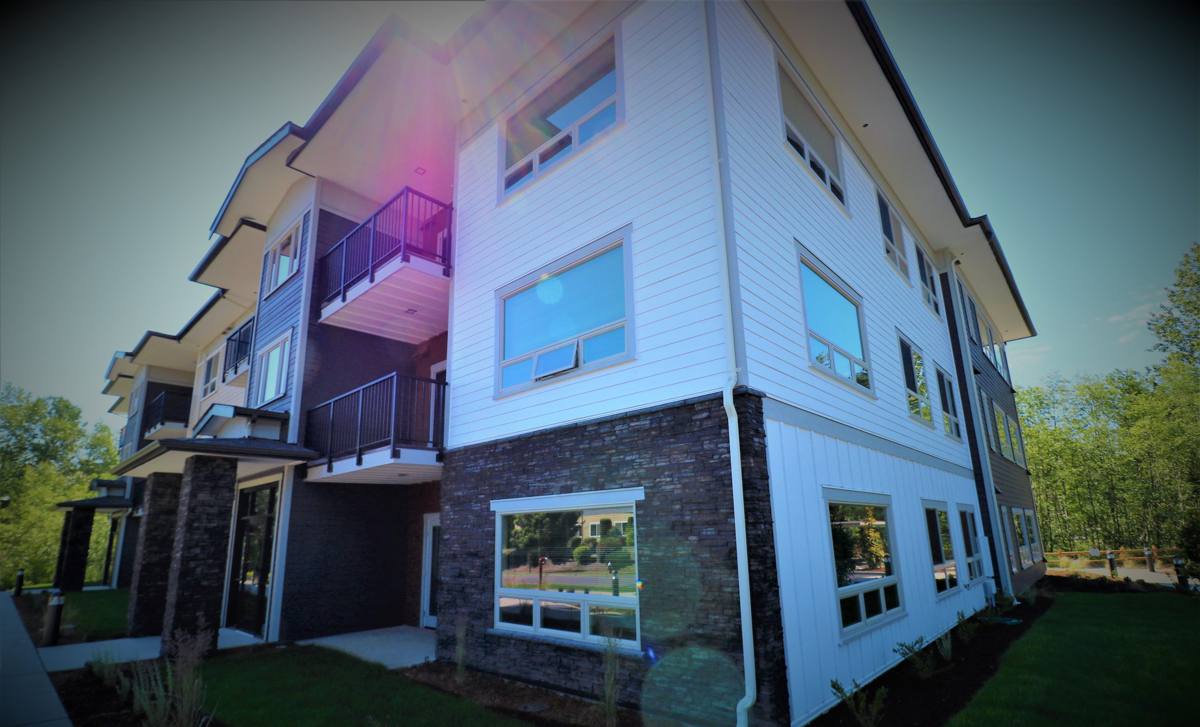
What Belleair Homes Are Actually Up Against
It helps to be specific about the stresses at play, because "Florida weather" understates it. Four factors do most of the damage to exterior cladding in this area:
- Hurricane-force wind: Even homes that never take a direct hurricane hit see repeated tropical-storm-force gusts that test every fastener and seam in a siding system.
- Wind-driven rain: Rain that would run harmlessly down a wall in calm conditions gets pushed sideways and upward, finding any gap in flashing, caulking, or panel overlap.
- Intense, near-year-round UV: Florida's sun exposure is higher and more sustained than in most of the country, which accelerates the breakdown of paint films and lower-grade composite materials.
- Salt air: Homes closer to the water deal with airborne salt that accelerates corrosion on fasteners, trim, and any metal components in the siding system.
None of these factors are unique to Belleair, but the combination — coastal salt exposure layered on top of Florida's wind and sun — is more concentrated here than it is for homes further from the water. Siding decisions that would be fine in a drier, less exposed part of the state don't always hold up the same way this close to the Gulf.
Why We Standardized on James Hardie
Fiber cement as a category — cement, sand, and cellulose fiber pressed and cured into a rigid board — is inherently a good fit for this climate. It doesn't rot, it isn't a food source for pests, and it's non-combustible. But not all fiber cement is engineered the same way, and installation quality matters as much as the product itself. We made a decision years ago to install James Hardie exclusively rather than mixing in other fiber cement brands, primed wood, or vinyl, for a few concrete reasons:
Climate-Engineered Product Lines
James Hardie makes region-specific formulations under its HZ system, and HZ5 is engineered for hot, humid climates like Florida's — different moisture and expansion behavior than the versions sold in colder, drier regions. That's a meaningful distinction: a fiber cement board built for a dry Midwestern climate is not the same product as one built to handle Gulf Coast humidity and rain.
Factory-Applied ColorPlus Finish
Standard field-painted siding is only as good as the paint job and the repaint schedule that follows it — and in this UV environment, field-applied paint chalks and fades faster than most homeowners expect. Hardie's ColorPlus Technology bakes the color onto the board in a controlled factory setting before it ever reaches the jobsite, which holds up to UV exposure and salt air meaningfully better than a standard field-applied paint job, and it comes with its own finish warranty separate from the product warranty.
Warranty Structure
Hardie's product warranty is transferable to a subsequent owner within its terms, which matters in a market like Belleair where homes turn over and buyers ask pointed questions about exterior condition and remaining warranty life.
We're not going to tell you every other fiber cement brand is bad — some of them are reasonable products. Our stance is narrower: we've standardized our crews, our fastening details, and our warranty backing around one system we trust completely, rather than splitting our attention across several. That specialization is what lets us guarantee the work.
What a Correct Installation Involves
Fiber cement siding is only as good as the installation behind it. Most of the failures we see on older homes trace back to installation shortcuts, not the material itself.
Moisture Management Behind the Boards
Correct installation starts with a weather-resistant barrier and properly lapped flashing at every window, door, and penetration — installed so water is directed out and down, never trapped behind the cladding. Butt joints between boards need to be treated with the correct sealant or backed with flashing, not just caulked and left. Gaps around penetrations get sealed, and siding is held up off rooflines, decks, and grade at the manufacturer's specified clearance so water has somewhere to go and the bottom edge of the siding never sits in standing moisture.
Fastening for Wind Resistance
James Hardie publishes specific fastener types, spacing, and embedment depth requirements, and those specs get more conservative in high-wind regions. Corrosion-resistant fasteners matter here specifically because of salt air — a fastener that's fine in an inland climate can corrode and lose holding strength well before the siding itself would ever need replacement. Following the published fastening schedule to the letter is what keeps siding attached through wind events instead of working loose at the corners and edges first.
Trim, Caulking, and Expansion Joints
Fiber cement expands and contracts with temperature and humidity swings, so joints and trim reveals are sized to allow for that movement. Skipping this detail is a common shortcut that shows up a few years later as cracked caulking lines and gaps at corners.
Signs Your Current Siding Is Already Telling You Something
Belleair has a good number of older homes, and a lot of what we get called out for is siding that's failing quietly before it fails visibly. Worth a look if any of these apply to your home:
- Paint that's chalking heavily or peeling in sheets rather than fading evenly
- Soft or spongy spots near the bottom courses, especially close to grade or downspouts
- Visible gaps opening up at butt joints or corner trim
- Boards that look slightly warped or bowed, especially on sun-exposed walls
- Rising energy bills with no other obvious cause, which can point to a compromised weather barrier
Our Process, Start to Finish
- On-site assessment: We walk the exterior, check for existing moisture damage, and look at what's actually behind the current siding before quoting anything.
- Written estimate: A clear scope covering product line, color, trim details, and what the tear-off and disposal plan looks like.
- Permitting: We handle the Pinellas County permit process for the job so you're not the one chasing paperwork.
- Tear-off and substrate check: Old siding comes off and we inspect sheathing underneath for rot before anything new goes up — this is where hidden problems get caught.
- Weather barrier and flashing: Installed to manufacturer spec at every window, door, and penetration before a single course of siding goes on.
- Siding installation: Fastened to Hardie's published high-wind schedule, with proper clearances and joint treatment throughout.
- Final walkthrough: We go over the finished job with you before calling it complete.
What Affects the Cost of a Fiber Cement Siding Job
Every home is different, but the same handful of factors drive most of the variation in scope and price. This isn't a quote — it's a guide to the conversation we'll have during your estimate.
| Factor | Why It Matters |
|---|---|
| Home size and wall complexity | More corners, gables, and dormers mean more cutting, trim, and labor time per square foot |
| Condition of existing sheathing | Rotted substrate found during tear-off needs to be replaced before new siding goes up |
| Product line and profile | Lap siding, panel, and shingle profiles carry different material and labor costs |
| Color and finish choice | ColorPlus factory-finished boards versus field-painted options affect both cost and long-term maintenance |
| Trim and accessory scope | Fascia, soffit, and trim replacement alongside siding adds to the total but keeps the whole exterior consistent |
| Access and site conditions | Waterfront lots, mature landscaping, or tight setbacks can affect staging and labor time |
Why a Crew That Already Works Belleair Matters
Wind-load requirements, permitting details, and inspection expectations vary by jurisdiction, and getting them wrong causes delays. A crew that regularly pulls permits and passes inspections in this part of Pinellas County already knows the local process, which keeps your project moving instead of stalling on paperwork. Local familiarity also means we've seen how homes in this specific coastal environment actually age — which details fail first, which ones hold up — and we build the installation around that experience rather than a generic national playbook.
Maintaining Fiber Cement Siding Once It's Installed
Correctly installed Hardie siding is genuinely low-maintenance compared to wood or vinyl, but "low-maintenance" isn't "no-maintenance," especially this close to the coast. A simple annual routine keeps it performing as designed:
- Rinse down siding once or twice a year to clear salt residue, especially on walls facing open water
- Walk the exterior after any significant storm and look for loose trim, cracked caulking, or displaced panels
- Keep sprinkler heads and irrigation aimed away from the siding to avoid constant wetting of one area
- Trim back landscaping that holds moisture against the wall
- Address any caulking cracks or gaps at joints promptly, before water gets behind the board
If your Belleair home needs new siding, or you just want an honest read on the condition of what's already on the walls, we're happy to come take a look. The estimate is free, there's no pressure attached to it, and you'll get a straight answer about what your home actually needs — use the form below to get started.