 Seminole Siding
 Asphalt Shingle Roofing Built for a Barrier Island Address
Redington Shores sits on a narrow strip of land with the Gulf of Mexico on one side and the Intracoastal on the other, which means every roof here is doing more work than a roof ten miles inland. We're a Seminole-based siding and exterior contractor, and Redington Shores is part of our regular service area — not a place we drive to once and never see again. That matters with roofing, because the way a shingle roof holds up in this location has almost everything to do with how it was installed, not just what brand of shingle sits on top.
This page is specifically about asphalt shingle roofing for homes in Redington Shores. We're not going to give you a generic roofing overview — we'll walk through what this barrier island environment actually does to a shingle roof, what a correct installation looks like in response, and how our process is built around that.
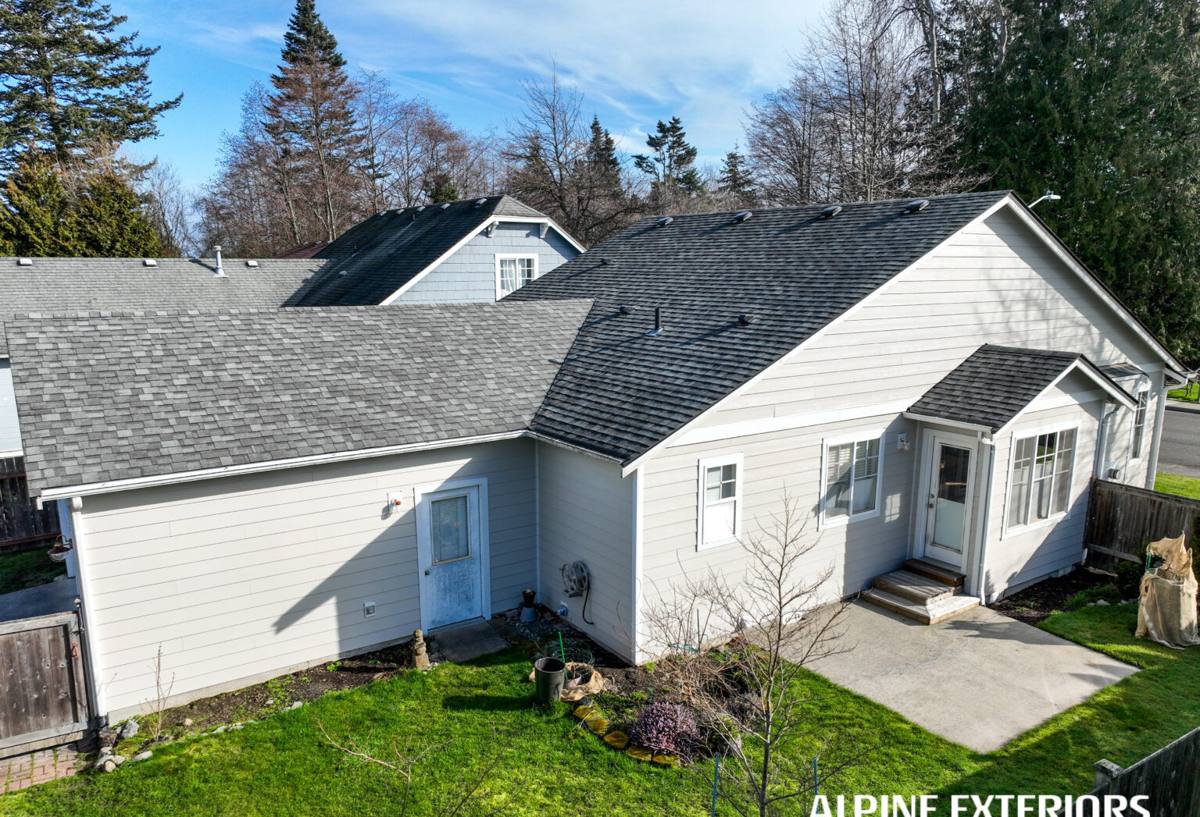
What the Redington Shores Environment Does to a Roof
Pinellas County homes near the Gulf deal with a combination of stressors that inland roofs simply don't see at the same intensity. None of these are hypothetical — they're the reason roofs in this area age differently than the same product installed thirty miles east.
Wind
Redington Shores sits in a designated wind-borne debris region under Florida's building code. Sustained coastal winds, and the much higher gusts that come with tropical storms and hurricanes, put direct uplift pressure on shingles — especially at the edges, ridge, and any spot where the seal strip wasn't fully activated. A roof that looks fine in calm weather can still have weak points that only show up the first time wind gets under a tab.
UV Exposure
Florida sun is intense and consistent nearly year-round. UV breaks down asphalt oils in shingles over time, which is what eventually causes granule loss, brittleness, and cracking. Homes with less shade — common on barrier islands where lots are open to sun and sea breeze — see this aging process happen faster than a shaded inland roof.
Wind-Driven Rain
Storms here rarely arrive straight down. Wind-driven rain gets pushed sideways and upward under shingle edges, through nail penetrations, and into any flashing detail that isn't sealed correctly. This is why underlayment choice and flashing work matter as much as the shingle itself — most leaks we find don't start with the shingles failing, they start with water finding a path the shingles were never meant to block on their own.
Salt Air
Being this close to the Gulf means airborne salt settles on every exterior surface, including the roof. Salt accelerates corrosion on exposed metal — nail heads, flashing, vent boots, and drip edge — long before it does anything visible to the shingles themselves. A roof built with standard, non-coastal-grade fasteners and flashing will show rust and failure points years ahead of one built with corrosion-resistant materials.
What a Correct Installation Looks Like Here
A shingle roof installed the same way you'd install one in a low-wind, low-salt inland market is not the right approach for Redington Shores. A correct installation for this location accounts for all four stressors above, not just the ones that are easy to see.
- Shingles rated for high wind uplift, installed with the fastener pattern and nail placement the manufacturer specifies for high-wind zones — not the minimum pattern used in calmer markets
- Sealed, high-quality starter strip along every eave and rake edge, since this is the single most common point where wind gets a roof started peeling
- Synthetic underlayment rated for wind and moisture, with self-adhering ice-and-water-shield-style membrane at valleys, eaves, and any low-slope transition where wind-driven rain is most likely to intrude
- Corrosion-resistant drip edge, flashing, and fasteners suited to salt air exposure rather than standard-grade hardware
- Properly sealed penetrations at every vent, pipe boot, and roof-to-wall transition
- Balanced attic ventilation, so heat and moisture don't build up under the deck and shorten the shingles' life from underneath
Skip any one of these and the roof may still look correct on installation day. The gaps usually don't show up until the first serious wind event or a couple of Florida summers later.
Our Process for a Redington Shores Roof
1. Inspection and Honest Assessment
We start by getting on the roof, not just looking at it from the driveway. We check the current shingle condition, flashing, ventilation, and — where accessible — the state of the roof deck itself. If the existing roof has isolated damage that doesn't warrant a full replacement, we'll tell you that. If it needs replacement, we'll explain why in plain terms.
2. Tear-Off and Deck Check
A full replacement means a full tear-off, not a layover. This lets us inspect the deck for soft spots, water staining, or rot that needs to be addressed before new material goes down — installing a new roof over a compromised deck just hides the problem and shortens the life of everything installed on top of it.
3. Underlayment and Flashing
This is where most of the long-term water resistance actually comes from. We install underlayment and flashing rated for this coastal environment, paying particular attention to valleys, eaves, and roof-to-wall intersections — the spots wind-driven rain targets first.
4. Shingle Installation
Shingles go down using the manufacturer's high-wind nailing pattern, with attention to seal strip activation and starter course alignment. Ridge and hip caps get the same wind-rated treatment as the field shingles.
5. Ventilation and Final Walkthrough
We confirm intake and exhaust ventilation is balanced, clean up the site completely, and walk the finished roof with you so you know what was done and what to expect going forward.
Choosing the Right Shingle for This Location
Not every asphalt shingle product is a good fit for a barrier island roof. The table below reflects general trade-offs we walk homeowners through — actual pricing depends on roof size, pitch, layers to remove, and deck condition, so treat these as broad ranges rather than a quote.
| Shingle Type | Typical Wind Rating | General Lifespan | Best Fit For |
|---|---|---|---|
| 3-tab asphalt | Lower end of rated range | Shorter end of asphalt lifespan | Budget-conscious projects on less exposed structures |
| Architectural (laminate) asphalt | Higher wind rating than 3-tab | Mid-to-long range for asphalt | Most Redington Shores homes; balance of durability and cost |
| Impact-rated / high-wind asphalt | Highest rating within asphalt category | Long range for asphalt | Homes closest to the Gulf or with prior wind damage history |
For most Redington Shores homes, we steer people toward architectural shingles rated for higher wind speeds — the cost difference over 3-tab is modest, and the added wind and impact resistance is worth it this close to open water. We'll walk through what's appropriate for your specific roof rather than defaulting to one product for everyone.
Permits, Wind Codes, and Insurance
Roofing work in Pinellas County requires a permit, and inspectors are checking specifically for wind-rated installation practices — proper nailing patterns, correct fastener counts, and code-compliant underlayment. Because we work in this area regularly, we handle the permitting process as a normal part of the job rather than something that catches homeowners off guard partway through.
It's also worth keeping documentation of your roof's age, materials, and installation for insurance purposes. Many carriers ask for this information when writing or renewing wind coverage on coastal Pinellas County properties, and having a clear paper trail from a documented, permitted installation makes that process easier down the road.
Maintenance That Actually Extends a Shingle Roof's Life Here
A correctly installed roof still needs some basic upkeep in a salt-air, high-UV environment. None of this is complicated, but it's easy to let slide until there's a problem.
- Have the roof visually checked after any named storm, even if you don't see obvious damage from the ground
- Keep gutters and valleys clear so wind-driven rain has a clear path off the roof instead of pooling at transitions
- Watch for granule buildup in gutters, which signals accelerated UV wear on the shingles
- Check exposed metal — flashing, vent boots, fasteners — periodically for early rust, since salt air corrodes metal well before it affects the shingles
- Address small leaks or lifted shingle tabs quickly; a small wind-lifted spot is a simple repair, but left alone through a storm it can become a much bigger one
- Keep any overhanging vegetation trimmed back so branches and debris aren't landing on the roof during high wind
Why Local Experience Matters for This Job
Asphalt shingle roofing is a common product, but installing it correctly for a Redington Shores address isn't the same job as installing it inland. A crew that regularly works this barrier island stretch of Pinellas County already understands the wind exposure, knows what the permitting office is going to check, and has seen firsthand what happens when corners get cut on flashing or fastener choice near the Gulf. That's the difference between a roof that looks the same on day one but performs very differently five hurricane seasons later.
If you're weighing a repair against a full replacement, or just want a straight answer about what your current roof can handle, we're glad to take a look. We offer free, no-pressure estimates, and there's a form below to get one scheduled.