 Seminole Siding
 Siding Repair Built for a Barrier Island Address
Belleair Beach sits out on the Gulf with almost nothing between the houses and open water. That location is why people live there, but it's also why siding on this stretch of coastline fails faster and in different ways than siding a few miles inland. Salt-laden air, sustained onshore wind, wind-driven rain that gets pushed sideways under eaves and around corners, and UV exposure that runs nearly year-round all combine to attack siding continuously, not just during storm season. A repair crew that mainly works subdivisions well away from the water can misjudge what's actually happening behind a panel out here. We work Belleair Beach and the surrounding Seminole area regularly, so we're not guessing at how coastal exposure behaves on this island — we see it on a routine basis.
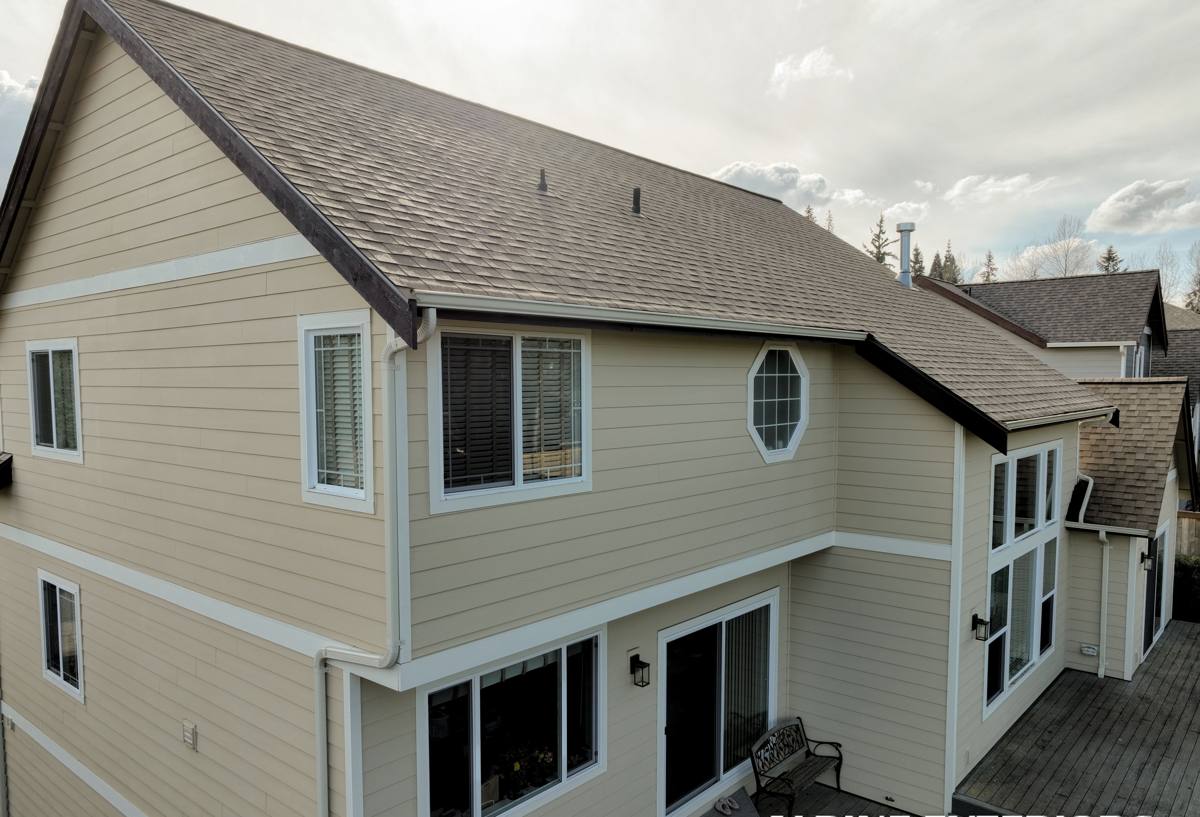
Why Repairs Here Aren't the Same as Repairs Inland
Every siding material reacts to salt air and wind-driven moisture, but the failure patterns differ by product and by how the original installation handled water management. On a barrier island home, we typically find damage concentrated in a few predictable zones: low courses near grade where salt spray settles, corners and gable ends that take the brunt of wind pressure, and any spot where the original flashing or caulking was undersized for the exposure. Wind-driven rain doesn't fall straight down here — it gets forced up and under laps, which means a repair that only addresses the visible crack or gap without checking what's happening underneath is a repair that fails again within a year or two.
UV plays a quieter but equally damaging role. Factory-applied finishes hold their color and integrity far longer than field-applied paint, but even a good finish degrades faster under the sun intensity this part of Florida gets nearly twelve months out of the year. When we're repairing a section of siding, matching not just the color but the finish system matters — mismatched sheen or a different paint chemistry next to original factory-finished panels becomes obvious within a season, especially in direct coastal sun.
Signs Your Siding Needs Attention
Homeowners on Belleair Beach should watch for a specific set of warning signs, some of which are easy to miss from ground level:
- Visible cracking or splitting along panel edges or at butt joints
- Soft, spongy, or bubbling spots when pressed gently — a sign of moisture intrusion behind the surface
- Buckling or waviness in panels, often from moisture-driven expansion or a fastening issue
- Staining or streaking that keeps returning even after cleaning
- Gaps opening up at corner boards, trim, or window and door casings
- Caulk lines that have shrunk, cracked, or pulled away from the joint
- Any section that looks or feels noticeably different in color or texture from the surrounding siding
Any one of these on its own might be minor. Several appearing together, especially on the side of the house that faces prevailing wind and salt spray, usually means water has been getting behind the siding for a while and the damage is more than skin deep.
Why "It's Just Cosmetic" Is a Risky Assumption
Siding is a water-management system, not just a finished surface. A crack that looks purely cosmetic can be the entry point that lets moisture reach the wall sheathing, framing, or insulation behind it. On a coastal property, that moisture carries salt, which accelerates corrosion of fasteners and hardware and can lead to mold or rot developing out of sight. Catching and correctly repairing small damage early is almost always cheaper than dealing with what's found once a wall is opened up two or three years later.
What a Correct Repair Actually Involves
A proper siding repair on a barrier island home goes beyond patching the visible problem. Our process typically includes:
- Diagnosis before demolition. We identify not just the damaged panel but why it failed — a flashing gap, a caulk failure, a fastener issue, or wind damage — so the same failure doesn't repeat.
- Checking for hidden moisture. Before closing anything back up, we check the substrate and surrounding area for water intrusion that may not be visible from the damaged section alone.
- Correcting water management, not just cosmetics. Flashing, house wrap, and caulking at the repair site get restored to proper function — sealing over a moisture problem without fixing the path water is taking only delays the next failure.
- Matching materials and finish. Replacement panels are matched to the existing product line, profile, and color as closely as possible, including factory-finish matching where the original siding used one.
- Correct fastening and joint treatment. Fasteners, joint spacing, and caulking are installed to the manufacturer's specifications for coastal wind exposure, not generic inland guidelines.
- Final inspection and cleanup. We walk the repair with the homeowner, confirm the fix addresses the root cause, and leave the site clean.
Repair or Replace? A Practical Comparison
Not every siding problem calls for full replacement, but on a coastal property the math shifts a bit compared to an inland home. This table outlines the general factors we weigh when advising a homeowner:
| Factor | Favors Repair | Favors Replacement |
|---|---|---|
| Extent of damage | Isolated to one wall or a few panels | Recurring across multiple elevations |
| Age of existing siding | Relatively new, still within expected service life | Near or past its expected lifespan |
| Underlying moisture | Localized, source identified and correctable | Widespread, affecting sheathing or framing broadly |
| Material match availability | Product line and color still available or close match exists | Discontinued line with no reasonable match |
| Storm exposure history | Damage traced to a single event | Pattern of repeated wind or moisture failures over time |
When repair genuinely addresses the problem, we say so — there's no reason to replace a whole elevation over a localized issue. When the underlying pattern points to a system that's failing broadly, we'll tell you that too, honestly, rather than patching something that's going to keep calling us back out.
Why a Crew That Already Works Belleair Beach Matters
Barrier island work has practical wrinkles that a crew unfamiliar with the area can trip over. Access and staging are tighter than on a typical mainland lot. Salt spray affects tool and material handling on site. And Pinellas County's coastal construction requirements — including wind-load and moisture-barrier expectations for structures near the water — are stricter than what's often assumed inland. A crew that regularly works Seminole and the surrounding barrier communities already accounts for these realities without treating them as surprises mid-job.
There's also a continuity benefit. A local crew that repairs siding in this area sees how different repairs hold up over multiple storm seasons, which sharpens judgment about what actually works long-term on this coastline versus what looks fine on install day and fails eighteen months later.
The Material We Use for Repairs
We install and repair with James Hardie fiber cement siding exclusively. For repair work specifically, that has real advantages on a barrier island property: Hardie's ColorPlus factory finish is engineered to resist fading and hold color consistency far better than field-applied paint, which makes matching a repaired section to existing siding more reliable. Hardie's HZ product lines are also engineered with climate zone performance in mind, including moisture and humidity resistance relevant to coastal Florida. Because fiber cement is non-combustible and dimensionally stable, it doesn't expand and contract with humidity swings the way some other siding materials do — a meaningful factor when wind-driven rain and salt humidity are part of daily conditions rather than occasional weather.
When a repair calls for replacement panels, we match the existing Hardie profile and finish as closely as the product line allows, and we install fasteners, caulking, and flashing details to the manufacturer's specification for the wind exposure this area sees.
Maintaining Repaired Siding on a Coastal Property
Once a repair is done correctly, a bit of ongoing attention keeps it performing:
- Rinse salt residue off siding periodically, especially after extended dry spells with heavy onshore wind
- Inspect caulking at trim, corners, and joints once or twice a year and re-seal any that's cracked or shrunk
- Keep an eye on the areas nearest grade level, where salt spray and splashback concentrate
- After any major storm, do a visual walk-around looking for new cracks, lifted panels, or loose trim
- Address small issues promptly — on this coastline, small gaps don't stay small for long
Getting a Straight Answer on What Your Home Needs
Every repair job starts with an honest look at what's actually happening to your siding — not an assumption based on a quick glance from the street. If you're seeing cracking, staining, soft spots, or gaps on your Belleair Beach home, we'll walk the exterior, check for moisture behind the surface where needed, and give you a clear picture of whether a targeted repair or a broader fix makes sense. There's no pressure and no upsell — just a straight assessment from a crew that works this coastline regularly. Reach out for a free estimate using the form below.