 Seminole Siding
 Siding Installation for Bardmoor Homes in Seminole
Bardmoor is one of the more established residential pockets of Seminole, and homes here span several decades of Pinellas County construction — from older block homes with dated siding accents to newer builds that lean more heavily on siding for their exterior look. What almost every home in this area shares is exposure: Bardmoor sits close enough to the Gulf that salt-laden air is a constant, and it sits fully inside the path that Central Florida's hurricane seasons take seriously every single year. Siding installed here isn't a cosmetic upgrade so much as a piece of structural weather protection, and it needs to be treated that way from the first fastener to the last.
This page is specifically about siding installation for Bardmoor properties — not a general overview of siding as a category. We'll cover what the local climate actually does to exterior materials, what a correctly executed installation looks like, how our process runs from estimate to final walkthrough, and why working with a crew that already knows this neighborhood's homes matters more than it might seem.
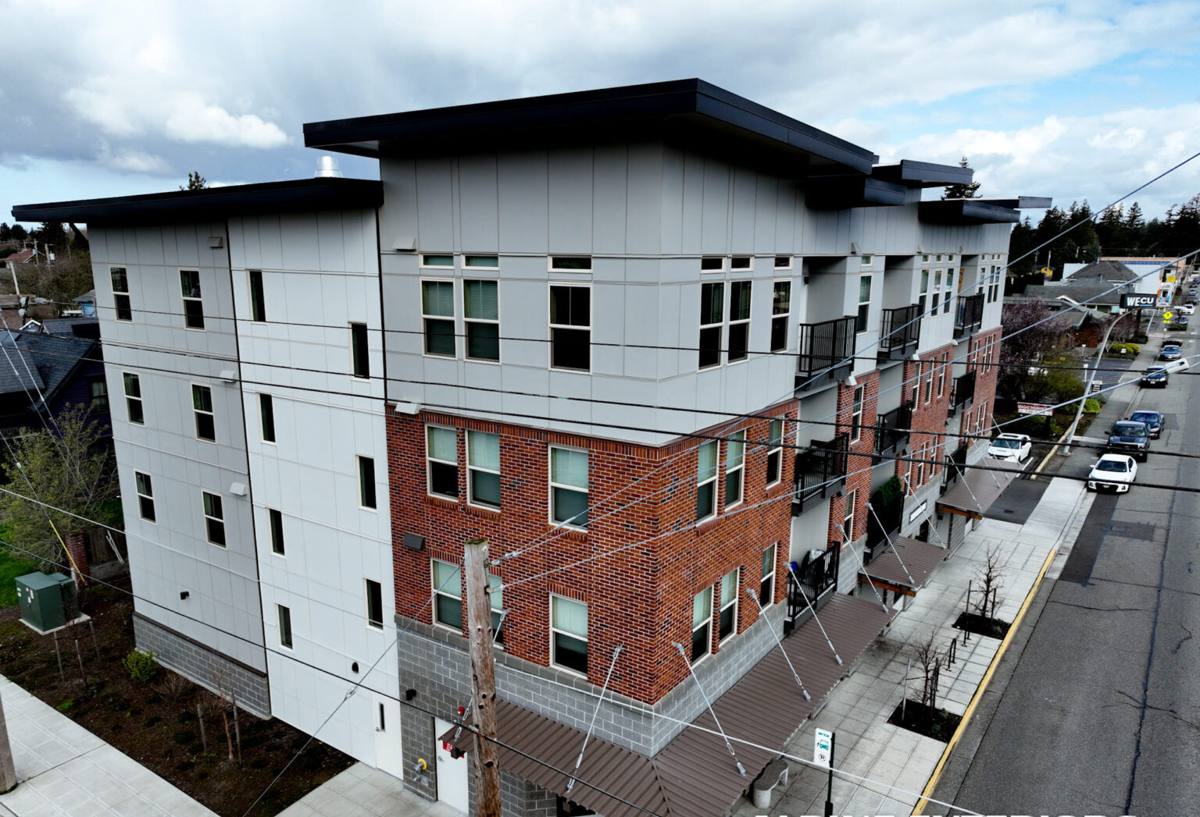
What Bardmoor's Climate Does to Siding
Seminole and the rest of Pinellas County deal with a combination of stresses that few other parts of the country face all at once. Individually, any one of these would be manageable. Together, they're why siding failures in this area tend to show up faster and more severely than the national averages homeowners read about online.
Wind and Storm Load
Hurricane-force winds don't just push against a wall — they get up and under loose or improperly fastened siding panels and peel them away. Wind-driven rain rides along with that wind, forcing water sideways and upward into seams, laps, and fastener points that were only ever designed to shed water moving straight down. A siding job that isn't installed to the manufacturer's exact fastening pattern and clearance specs will find every one of these weaknesses during the first serious blow, not decades from now.
UV Exposure
Florida sun is intense and it's relentless, twelve months a year. Siding materials that rely on site-applied paint break down under that kind of sustained UV load — the finish chalks, fades unevenly, and eventually cracks, which opens the door for moisture intrusion behind the surface.
Salt Air
Even set back from the immediate coastline, Bardmoor gets enough salt-laden air moving inland that it accelerates corrosion of fasteners and trim, and it degrades certain siding substrates faster than drier inland climates would. Salt exposure is cumulative — it's not a one-time event, it's a slow, constant chemical stress on everything outside.
Moisture and Humidity
High humidity plus frequent rain means anything with wood content in its makeup is under constant pressure to absorb moisture, swell, and eventually rot if the water isn't shed correctly. This is one of the central reasons we standardized on fiber cement rather than wood-based siding products — more on that below.
What a Correct Installation Actually Involves
Siding installation is often talked about like it's just "putting panels on a wall." In a climate like this one, that mindset is exactly how failures happen. A correct installation is a system of decisions, each of which matters on its own.
Moisture Barrier and Water Management First
Before a single piece of siding goes up, the wall needs a properly lapped weather-resistant barrier, correctly flashed windows, doors, and penetrations, and a drainage plane that lets any water that does get behind the siding find its way back out instead of pooling against the sheathing. Skipping or rushing this step is invisible on installation day and expensive years later.
Fastening to Spec — Not to Habit
Manufacturer fastening schedules exist for a reason, and in high-wind zones they're not a suggestion. Nail placement, spacing, and depth all affect how well a panel holds during a storm. Overdriven or underdriven fasteners are one of the most common causes of premature siding failure, and they're also one of the easiest things for an inexperienced or rushed crew to get wrong.
Clearances and Gaps
Siding needs the clearance the manufacturer specifies from grade, roofing, decks, and other trim — enough room for water to shed and for the material to perform as designed. Butt joints need proper gapping and sealing appropriate to the product. These are small details that have an outsized effect on long-term performance.
Corners, Trim, and Penetrations
Every corner, window trim piece, and utility penetration is a potential entry point for wind-driven rain. These details take more time to get right than the flat field of siding does, and they're usually where a rushed job shows its weaknesses first.
Why We Install Only James Hardie Fiber Cement Siding
We made a deliberate decision to install James Hardie fiber cement siding exclusively — no vinyl, no LP SmartSide, no Cemplank, no Allura, no primed spruce or cedar. That's not a marketing position, it's a standard we hold because of what we've seen these products do (and not do) in exactly the conditions Bardmoor homes face.
Why We Don't Install Vinyl
Vinyl siding is inexpensive and easy to install, and in milder climates it can perform reasonably well. In Pinellas County's wind and heat, it's a different story. Vinyl softens and can warp under sustained direct sun, and its interlocking panel system is far more vulnerable to wind uplift in a hurricane than a heavier, mechanically fastened product. When it fails, it tends to fail visibly and all at once — cracked, bowed, or missing panels after a single storm event.
Why We Don't Install LP SmartSide, Cemplank, Allura, or Wood Products
Wood-based composite siding and untreated wood products (primed spruce, cedar) share a common vulnerability: they're organic material, and organic material absorbs moisture. In a climate with this much humidity, rain, and storm-driven water intrusion, any breach in the factory coating or field-applied paint becomes a foothold for rot. That doesn't mean these are bad products in every context — it means they demand a level of ongoing maintenance and moisture vigilance that we don't think is realistic to expect from most homeowners in this climate, and the failure mode when maintenance lapses is expensive and structural rather than cosmetic.
What Hardie Gets Right for This Climate
James Hardie fiber cement is non-combustible, doesn't expand and contract with humidity the way wood-based products do, and doesn't soften or warp under UV exposure. Its ColorPlus factory-applied finish is baked on under controlled conditions rather than painted on-site, which means far more consistent, longer-lasting color performance against Florida sun. Hardie also engineers specific product lines (their HZ5 designation, for example) for high-humidity, high-moisture climates like ours — this isn't a one-size-fits-all product being sold everywhere, it's a version of the product line built for exactly this kind of exposure.
Side-by-Side: What Matters in Bardmoor's Climate
| Factor | Vinyl | Wood-Based (LP, Cemplank, Allura, Cedar) | James Hardie Fiber Cement |
|---|---|---|---|
| Wind/uplift resistance | Lower — panel system prone to uplift | Moderate, fastener-dependent | High when installed to spec |
| Moisture/rot vulnerability | Low rot risk, but can warp | Higher — organic material | Low — cement-based, non-organic |
| UV/color stability | Fades, can soften in heat | Site-paint fades, needs repainting | Factory ColorPlus finish holds color longer |
| Salt air resistance | Fair | Fair to poor depending on coating upkeep | Strong — engineered for coastal/humid zones |
| Ongoing maintenance | Low, but limited lifespan in storms | Higher — recoating and moisture checks | Low relative to wood, periodic caulk/paint touch-up |
Our Process for a Bardmoor Siding Project
The process is straightforward, but every step matters more here than it would in a milder climate.
- On-site assessment: We walk the home, check the current siding and substrate condition, look at trim, flashing, and any existing moisture damage, and talk through what the homeowner wants out of the project.
- Detailed estimate: We put together a scope that covers material selection, HardiePlank, HardiePanel, or HardieShingle depending on the look and the home's construction, ColorPlus color options, and a clear cost breakdown.
- Substrate and moisture barrier prep: Before new siding goes up, we address the weather-resistant barrier, flashing at all openings, and any sheathing repairs needed.
- Installation to manufacturer spec: Fastening schedule, clearances, and joint treatment all follow Hardie's published installation guidelines for our wind zone — not a generic approach.
- Trim, corners, and penetrations: These get the extra time they require, since they're the highest-risk points for water intrusion.
- Final walkthrough: We go over the finished job with the homeowner before calling it complete.
Signs Your Bardmoor Home May Need New Siding Soon
- Visible warping, buckling, or gaps between siding panels
- Soft spots when you press on siding near the base of the home or around windows
- Paint that's chalking, peeling, or fading unevenly despite recent painting
- Cracked or missing sections after a storm, even if the rest of the wall looks fine
- Rising energy bills that suggest the wall assembly is no longer sealing properly
- Visible rot or discoloration at seams, corners, or bottom edges
Cost Factors for Siding Installation in This Area
Every Bardmoor home is different, so a real number only comes from an on-site look. That said, the factors that move the price are consistent across the neighborhood.
| Factor | Why It Matters |
|---|---|
| Home size and wall complexity | More square footage and more corners, gables, and penetrations mean more material and more labor-intensive detail work |
| Current substrate condition | Rot or moisture damage found during removal adds repair scope before new siding can go up |
| Product line and profile | HardiePlank, HardiePanel, and HardieShingle differ in material use and installation time |
| Color and finish selection | ColorPlus factory finishes vs. field-applied paint affect both cost and long-term performance |
| Trim and accent scope | Full trim replacement alongside siding adds cost but improves the overall water-management system |
Why Local Experience in Bardmoor Matters
Siding installation isn't a one-size-fits-all trade, even within a single county. A crew that regularly works in Bardmoor and the surrounding Seminole area already understands the age and construction styles common to this neighborhood, knows what Pinellas County's permitting and wind-load requirements actually require in practice, and has already seen how storms move through this specific stretch of coastline. That familiarity shows up in the details — where extra flashing attention is worth the time, which trim details tend to need reinforcement, and how to sequence a job around Florida's rain patterns instead of fighting them.
Hiring a contractor who splits time across a wide, unfamiliar territory means relearning these lessons on your home. Hiring one who already knows this specific area means those lessons are already built into how the job gets done.
Ready for a Straightforward Estimate
If your Bardmoor home needs new siding, or you're planning ahead of the next storm season, we're happy to take a look and walk you through honest options — no pressure, no hard sell. Request a free estimate below and we'll get back to you to schedule a time that works.