 Seminole Siding
 Bardmoor is one of Seminole's established residential communities, built up over the decades around its golf course setting and mature tree canopy. Homes here run from original construction to remodels and additions, and like most of Pinellas County, they all face the same set of climate stresses: hurricane-force wind events, intense year-round UV, wind-driven rain, and salt air that moves inland off the Gulf. Window installation in this neighborhood isn't a cosmetic upgrade — it's an envelope decision that affects how well a home holds up through the next storm season and the one after that.
Why Window Installation in Bardmoor Isn't a Generic Job
A window that performs fine in a mild inland climate can fail here in ways that don't show up for years. Bardmoor's mix of original-construction homes and later additions means window openings vary more than a big-box store's stock sizing accounts for, and older frames were often installed under building codes that predate current wind-load and impact standards. Replacing a window here isn't just swapping one unit for another — it's an opportunity to bring that opening up to what Pinellas County's climate actually requires, whether that means a properly rated impact unit, corrected flashing, or a frame material chosen for what salt air and UV do to it over time.
We treat every Bardmoor project as a local job, not a generic replacement. That means looking at the specific opening, the home's orientation and exposure, and what's actually failed or aged out, rather than applying a one-size answer across the board.
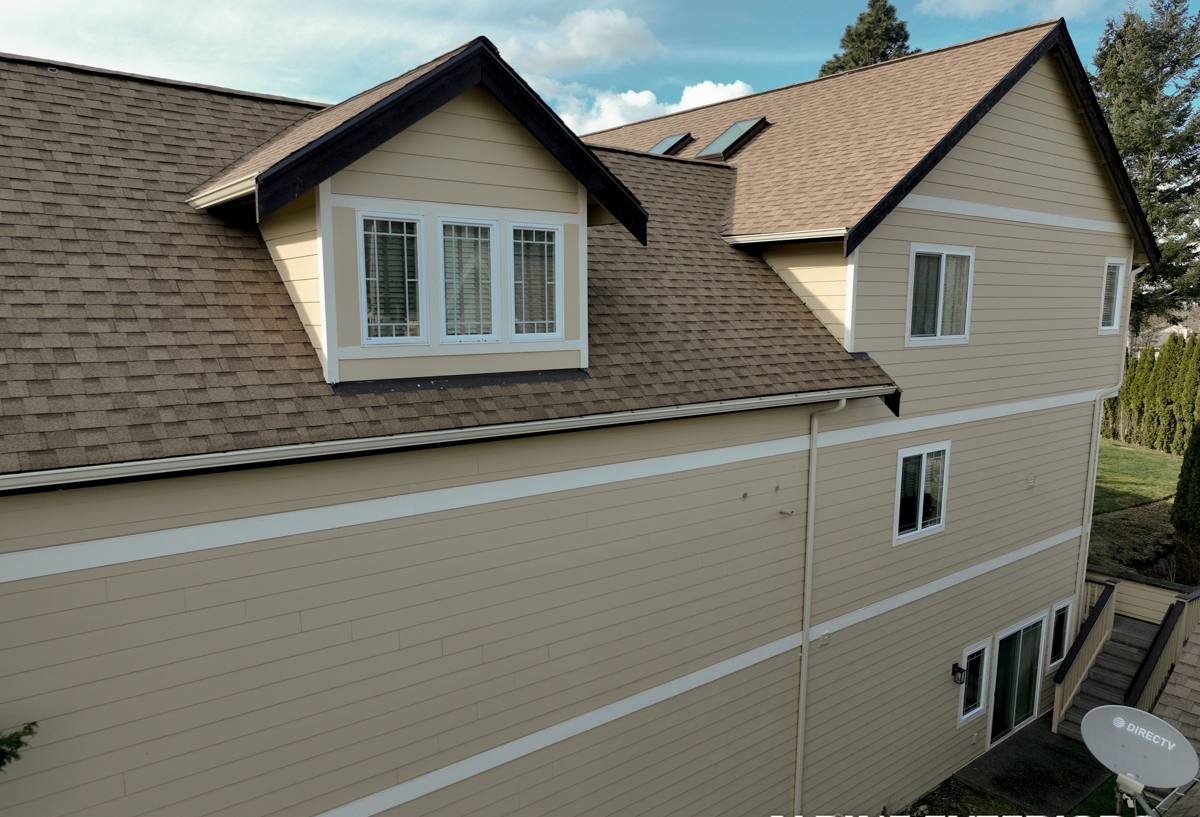
What Pinellas County's Climate Does to Windows
Hurricane-Force Wind
Wind load is the single biggest engineering factor in any window installed in this part of Florida. A window frame, its anchoring, and its glass all have to resist pressure differentials and windborne debris during storm events, and that requirement doesn't ease up because a home sits a few miles from open water rather than directly on it. Under-rated or improperly anchored windows are a common failure point in wind events — not because the glass shatters outright, but because the frame flexes or pulls away from the opening under sustained pressure.
Intense, Year-Round UV
Florida's sun angle and day length put more cumulative UV exposure on window frames and seals here than in most of the country. Lower-grade vinyl and weatherstripping break down faster under that load — frames go brittle, gaskets lose their seal, and finishes chalk or fade well before a window's expected service life is up. It shows up first and worst on sun-facing elevations, which in Bardmoor often means whichever side of the house gets the least shade from the surrounding tree cover.
Wind-Driven Rain
Rain that comes straight down is easy for almost any window to shed. Rain pushed sideways by 40, 50, or 60-plus mph wind finds the weak points — a sill that wasn't flashed correctly, a corner joint with failing sealant, a frame that's shifted slightly out of square over years of settling. Those are the spots where water actually gets into a wall assembly, and they're exactly what a correct flashing detail is designed to prevent.
Salt Air
Airborne salt from the Gulf settles on exterior surfaces throughout Seminole, Bardmoor included, and it does slow, cumulative damage to hardware, fasteners, and any frame component not built for coastal exposure. It's not dramatic — it's the kind of thing that shows up as corroded hinges and pitted hardware a decade in, on windows that otherwise look fine from a distance.
Signs a Bardmoor Home Needs New Windows
Some of these show up gradually enough that homeowners don't clock them as a pattern until we point them out during an inspection.
- Visible daylight or drafts around the frame when the window is closed
- Difficulty opening, closing, or locking that wasn't there when the window was newer
- Fogging or moisture between panes on double-glazed units, meaning the seal has failed
- Frame material that's chalky, warped, or soft to the touch
- Rising energy bills without another clear explanation
- Rattling frames or glass during storms or high-wind days
- Visible water staining on interior walls or sills below or around the window
None of these on their own mean a full replacement is urgent, but they're worth a professional look, especially heading into storm season rather than after a named storm has already tested the weak points.
What a Correct Window Installation Involves
Removal and Opening Prep
Every project starts with removing the existing unit carefully and actually looking at what's behind it — the sheathing, the framing, any evidence of past water intrusion. On older Bardmoor homes especially, this step matters more than people expect, because hidden rot or a failed flashing detail from the original install doesn't fix itself just because a new window goes in on top of it.
Impact Rating and Code Compliance
Seminole sits within Pinellas County's wind-borne debris region under the Florida Building Code, which sets specific wind-pressure and impact requirements for window openings. We spec units that actually meet the rating the property requires, and we pull permits and inspect to that standard rather than assuming a generic national spec covers it.
Flashing and Weatherproofing
This is where most long-term window failures actually originate. Correct flashing sequencing — sill pan, side flashing, head flashing, all properly lapped and integrated with the surrounding water-resistive barrier — is what keeps wind-driven rain from finding its way behind the window over years of storms. A window can be perfectly rated and still leak if this step gets rushed.
Frame Material for This Climate
Frame material choice matters more here than in a lot of markets, because UV and salt air are both actively working against whatever's installed. We'll walk through the honest trade-offs for a given home rather than defaulting to whichever option installs fastest — vinyl and fiberglass frames built for coastal, high-UV exposure generally hold up with less ongoing maintenance than an all-wood exterior profile, which is why we lead with them on weather-facing installs.
Our Process, Start to Finish
- On-site assessment — we look at the existing openings, note condition and any signs of past water intrusion, and talk through what the home actually needs
- Honest recommendation — the right unit and rating for the opening and exposure, explained with the reasoning, not just whatever's quickest to order
- Ordering and lead time — a realistic timeline, since code-compliant units for a specific opening aren't always sitting on a shelf
- Removal and opening prep — the old unit comes out carefully, and any hidden rot or flashing issues get addressed before the new window goes in
- Installation and flashing — the new unit is set, shimmed, anchored to meet wind-load requirements, and flashed in the correct sequence
- Final walkthrough — operation, sealing, and trim checked before we call the job done
Comparing Window Approaches for a Bardmoor Home
| Factor | Standard Non-Impact Window | Impact-Rated Window |
|---|---|---|
| Storm protection | Requires separate shutters or panels for windborne debris protection | Built-in protection, no separate hardware needed during a storm |
| Code compliance in wind-borne debris region | Typically requires shutters or panels to meet code | Meets impact requirements on its own where properly rated |
| UV and fading resistance | Varies widely by product quality | Often paired with better-grade frames and coatings, but still varies by brand |
| Upfront cost | Lower unit cost, plus cost of separate storm protection | Higher unit cost, no separate storm protection needed |
| Day-to-day living | Storm prep requires installing shutters or panels before a storm | No pre-storm action needed at the window itself |
What Actually Drives Cost
We won't quote a number without seeing the opening, but the factors that move price are consistent from project to project.
- Number of windows and total glass area being replaced
- Impact rating required for the specific opening and elevation
- Frame material and finish selected
- Condition of the existing opening — rot or old flashing failures add repair time
- Whether the opening is standard-sized or needs custom sizing
- Trim and finish work needed to match the surrounding siding
Why a Crew That Already Works Bardmoor Matters
Window installation quality mostly comes down to details that don't show up after the caulk dries — how a sill pan sheds water, how much lap a flashing course gets, whether a fastener is driven to the right depth and spacing for the wind zone. A crew that installs windows regularly throughout Seminole and greater Pinellas County has already seen how those details hold up against this specific mix of hurricane-force wind, sun, and salt air, on homes with the same general age and construction as Bardmoor's. That experience shows in decisions that never come up in a sales pitch, like when a sill needs a sloped detail instead of relying on sealant alone, or how an older opening's out-of-square framing needs to be corrected before a new unit goes in square and true.
It also matters for permitting. Pinellas County's wind zone and impact requirements affect what can be installed and how it has to be documented, and a contractor who pulls permits in this area regularly knows what the county's inspectors are actually looking for.
What to Expect From an Estimate
An honest estimate starts with a look at your actual windows and openings, not a generic price list. We'll check condition, talk through which rating and frame material fit your home and exposure, and give you a straightforward number, explaining what's driving it rather than leaving you to guess. If you're in Bardmoor or elsewhere in Seminole and thinking about window replacement — whether it's a specific problem window or a full-house project ahead of storm season — we're glad to come take a look and provide a free, no-pressure estimate using the form below.