 Seminole Siding
 Roofing a Home on a Barrier Island Isn't the Same Job as Roofing One Inland
Belleair Beach sits right on the Gulf, and that changes what a roof has to survive year after year. A shingle roof a few miles inland in Pinellas County still has to deal with Florida sun and summer storms, but a roof here also takes on constant salt-laden air, higher sustained wind loads, and wind-driven rain that gets pushed sideways into places a roof further from the water rarely has to defend. None of that means asphalt shingles are the wrong choice for a Gulf-front home — they're not. It means the materials, the fastening, and the detailing all have to be chosen and installed with that exposure in mind, not treated like a standard suburban re-roof.
We work on homes up and down this stretch of Pinellas County, and the roofs that hold up best are never the ones with the fanciest shingle. They're the ones where the underlayment, flashing, ventilation, and nailing pattern were all handled correctly the first time. That's the standard we hold every Belleair Beach job to.
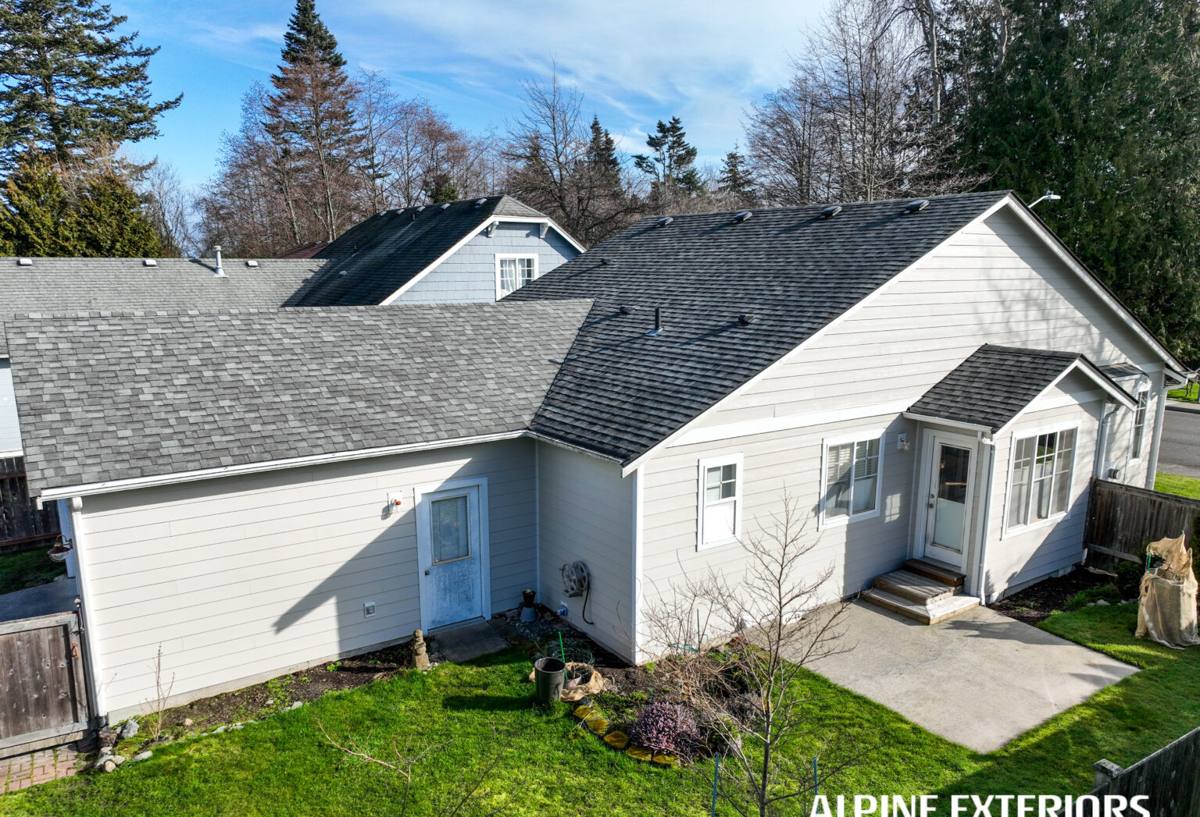
What Salt Air, Sun, and Wind Actually Do to a Shingle Roof Here
Salt Air and Corrosion
Airborne salt doesn't just sit on the surface — it settles into metal flashing, nail heads, drip edge, and roof vents, and over time it accelerates corrosion on anything that isn't properly rated for coastal exposure. A fastener or flashing piece that would last decades inland can start failing years early this close to the Gulf, and once flashing corrodes, water finds its way underneath the shingles long before the shingles themselves look worn.
UV Exposure
Florida's near year-round sun bakes the asphalt in shingles, drying out the oils that keep them flexible and driving the granule loss that protects the mat underneath from UV breakdown. Homes with poor attic ventilation see this happen faster, because trapped heat under the roof deck adds to the UV damage from above.
Wind-Driven Rain and Uplift
Hurricane-force winds don't just risk tearing shingles off — sustained coastal wind also drives rain sideways and upward under shingle tabs and around edges, which is exactly where a roof either sheds water correctly or lets it in. Wind uplift at the edges, ridges, and hips is where most storm damage on a shingle roof actually starts, which is why those areas get extra attention in a correct install, not less.
Choosing the Right Shingle System for a Gulf-Front Home
Not every asphalt shingle product is built the same, and for a home this exposed, the wind rating and the installation spec matter more than the color or brand name on the wrapper. We generally steer Belleair Beach homeowners toward architectural (dimensional) shingles over basic 3-tab, because the thicker laminate construction and higher wind ratings give a real margin of safety in coastal wind, not just a better look.
| Shingle Tier | Typical Wind Rating | Expected Lifespan (Coastal) | Best Fit |
|---|---|---|---|
| Standard 3-tab | 60–70 mph | 12–18 years | Budget re-roofs set back from direct Gulf exposure |
| Architectural / dimensional | 110–130 mph | 18–25 years | Most Belleair Beach homes — our standard recommendation |
| Premium impact-rated architectural | 130+ mph | 20–30 years | Direct waterfront exposure, insurance credit potential |
Lifespan ranges above are general industry expectations, not guarantees — actual life depends heavily on ventilation, installation quality, and how much direct salt spray and sun a particular roof face takes on. We'll walk you through the real trade-offs for your home rather than upsell the most expensive option by default.
What a Correct Installation Actually Involves
A shingle roof is only as good as what's underneath it. On every tear-off we do in this area, the process includes:
- Full removal of old shingles and underlayment down to bare decking — never a layover in coastal wind zones
- Deck inspection and replacement of any wood that's soft, delaminated, or water-stained before anything new goes down
- A high-quality synthetic or self-adhering underlayment, with extra attention at eaves and valleys where wind-driven rain concentrates
- Corrosion-resistant drip edge and flashing rated for coastal salt exposure, not standard-grade metal
- Proper flashing at every penetration — vents, chimneys, walls — sealed and lapped correctly, not just caulked over
- A nailing pattern that meets or exceeds Florida Building Code wind requirements for the shingle's rating, applied consistently, not just at the edges
- Balanced attic ventilation (intake and exhaust) so heat and moisture don't shorten the shingles' life from underneath
Skipping any one of these doesn't show up on inspection day — it shows up two years later as a leak at a valley, curling shingles from trapped heat, or wind damage that starts at an under-flashed edge. This is where a lot of roof problems in this area actually originate, and it's rarely the shingle itself that's at fault.
Our Process, Start to Finish
- On-site inspection. We look at the current roof, the deck, ventilation, and flashing condition, and take note of anything specific to the home's exposure.
- Honest estimate. You get a written scope and price before any work starts, with shingle options explained in plain terms — no pressure toward the most expensive tier.
- Permitting. We pull the required roofing permit through the local building department before work begins.
- Protection and tear-off. Landscaping and property are protected, old roofing is removed, and the deck is inspected and repaired as needed.
- Underlayment, flashing, and shingle installation. Installed to the manufacturer's spec and Florida's wind requirements, not shortcuts to save a day.
- Cleanup and magnetic nail sweep. The property is cleaned thoroughly, including a sweep for stray fasteners.
- Final walkthrough. We go over the finished roof with you before we consider the job done.
Maintenance and Warning Signs Worth Knowing
Coastal shingle roofs age faster than inland roofs if they're ignored, but most early problems are easy to spot if you know what to look for:
- Granules collecting in gutters or at downspout outlets
- Shingle edges curling or lifting, especially near ridges and hips
- Streaking, staining, or dark patches on ceilings or in the attic
- Rusted or corroded flashing around vents, chimneys, or roof-to-wall joints
- Visible daylight through the attic decking
- Missing or cracked shingles after a wind event, even minor ones
Catching these early is usually the difference between a targeted repair and a full replacement. We're happy to take a look and give you a straight answer either way.
Cost Factors Worth Understanding
| Factor | Why It Affects Price |
|---|---|
| Roof size and pitch | More surface area and steeper slopes mean more material and labor time |
| Number of layers to remove | Tearing off multiple old layers costs more than a single-layer tear-off |
| Deck condition | Rotted or soft decking needs replacement before new roofing goes down |
| Shingle tier chosen | Higher wind-rated, longer-lifespan shingles cost more per square but often pay off in coastal durability |
| Roof complexity | Valleys, dormers, and multiple penetrations add labor and flashing detail |
| Ventilation upgrades | Adding or correcting attic ventilation adds cost but extends shingle life |
We don't publish blanket prices because two roofs of the same square footage can cost very differently once pitch, layers, and deck condition come into play. What we do promise is a clear, itemized estimate with no surprise add-ons once work begins.
Why Local Experience in Belleair Beach Matters
A crew that mostly works inland can still do a technically fine roof, but they're less likely to think automatically about coastal-grade flashing, salt-resistant fasteners, or the wind uplift patterns that show up on homes with direct Gulf exposure. Working regularly in Belleair Beach and the surrounding Pinellas County coastline means we're already familiar with the local permitting process, the wind requirements that apply to this area, and the kind of wear a roof here actually experiences — not the generic version of it.
That familiarity also matters for insurance. Many homeowners in this area look into wind mitigation inspections after a re-roof, since a properly installed, higher wind-rated shingle system can affect windstorm insurance pricing. We can't promise a specific savings number since that depends on your carrier, but we install to a standard that gives you the strongest possible case when that inspection happens.
Get a Straight Answer About Your Roof
If your roof is showing its age, took a hit in recent weather, or you're just planning ahead for a home this close to the Gulf, we're glad to take a look. We'll give you an honest assessment of what your roof actually needs — repair or full replacement — and a written estimate with no pressure attached. Reach out using the form below to schedule a free evaluation.