 Seminole Siding
 Why Belleair Bluffs Roofs Wear Out Faster Than the Rest of the Country
Belleair Bluffs sits close to the water in Pinellas County, and that location cuts both ways. It's part of what makes the area desirable, and it's also why roofs here take a beating that most of the country never deals with. Salt-laden air off the Gulf and the Intracoastal corrodes exposed metal — fasteners, flashing, vent stacks — faster than it would ten or twenty miles inland. Add in near-daily UV exposure that breaks down asphalt shingle granules and dries out roofing cement, plus the wind-driven rain that comes with every summer thunderstorm and every tropical system that brushes the coast, and you've got a roof assembly that's under constant stress from three directions at once: sun, water, and salt.
None of that means a roof in Belleair Bluffs can't last its full expected lifespan. It means the installation has to account for those conditions from the start, rather than relying on a generic install that happens to work fine in a drier, calmer climate.
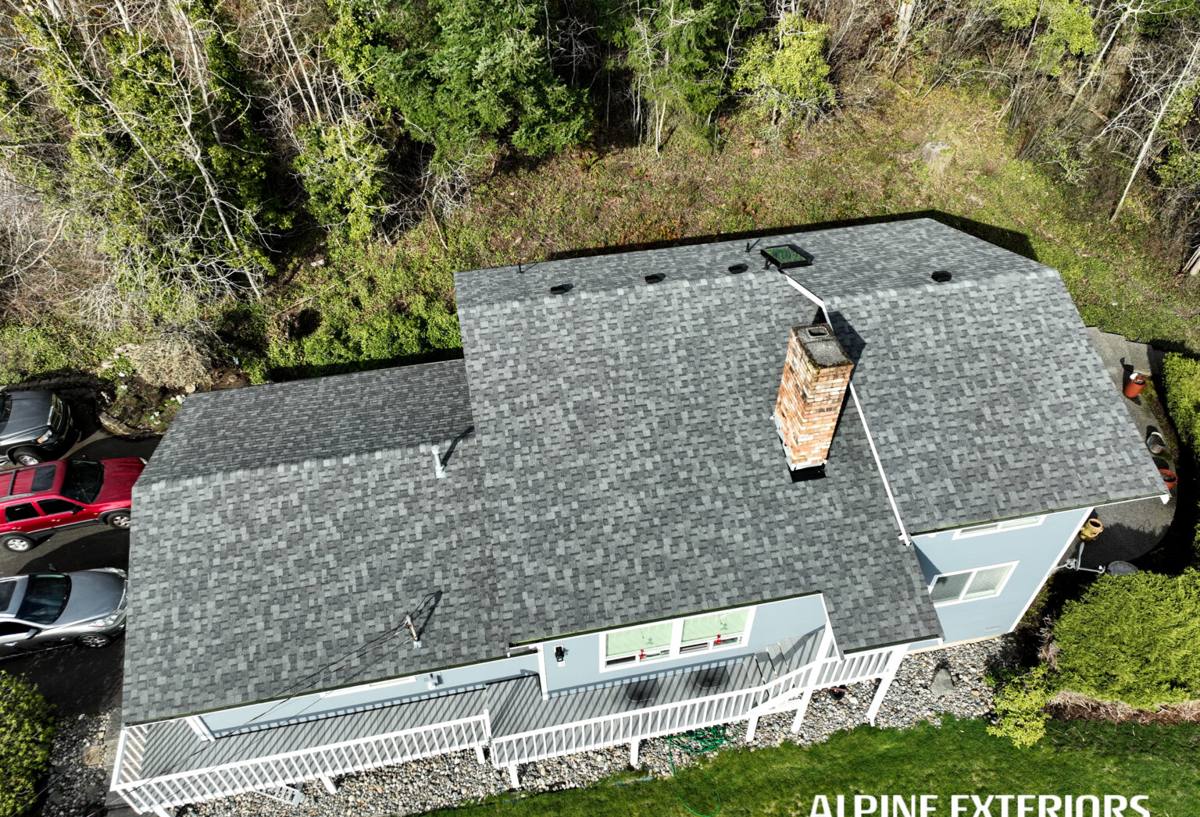
What "Correct" Actually Means for a Coastal Pinellas County Roof
Florida's building code is stricter than most states' for a reason, and Pinellas County enforces it closely. A correct new roof installation here isn't just shingles nailed to plywood — it's a system built to stay attached and stay sealed when wind gets under the edges and rain gets driven sideways.
The sealed roof deck
Since the building code changes that followed the 2004-2005 hurricane seasons, Florida re-roofs require a secondary water barrier — either a self-adhered underlayment membrane or sealed/taped deck seams — so that if the outer roofing material is compromised in a storm, water still can't reach the plywood and the interior of the home. This is one of the most important, and most commonly shortcut, parts of a re-roof. It's not visible once the job is done, which is exactly why it matters who's doing the work.
Wind rating and fastening pattern
Materials installed here need to carry a wind rating appropriate to the local design wind speed, and that rating only holds up if the fastening pattern matches the manufacturer's high-wind specification — correct nail count, correct placement, correct nail type. A shingle rated for 130 mph winds that's fastened with a standard six-nail pattern instead of the reinforced pattern the rating requires is not actually rated for 130 mph anymore.
Permitting and inspection
New roof installations in Pinellas County require a permit and pass through inspection — typically an in-progress dry-in inspection and a final. That inspection isn't red tape; it's a second set of eyes confirming the underlayment, flashing, and fastening were done to code before everything gets covered up.
Choosing a Roofing Material for This Climate
There's no single "best" roofing material for Belleair Bluffs — the right choice depends on the home's roof structure, your budget, and how long you plan to stay in the house. Here's how the common options compare for coastal Pinellas conditions specifically.
| Material | Coastal/Wind Performance | Maintenance | Typical Lifespan Here |
|---|---|---|---|
| Architectural asphalt shingle | Good when installed with high-wind nailing pattern and rated for local wind speed | Low; periodic inspection after storms | 15-25 years in this climate (UV and heat shorten typical ratings) |
| Standing seam metal | Excellent wind uplift resistance; concealed fasteners reduce leak points | Low; watch for coastal corrosion at cut edges and fasteners over time | 30-50 years with correct coating and fastener spec |
| Concrete or clay tile | Very good once properly fastened/foam-set; heavy, which helps in wind but adds structural load | Moderate; underlayment beneath tile typically needs replacement before the tile itself does | Tile itself 30+ years; underlayment often needs redoing at 15-20 years |
A detail homeowners often miss with tile: the tile is rarely what fails first near the coast — the underlayment under it is. If you have a tile roof and it's leaking, in most cases the tile can be reset and the underlayment replaced without buying an entirely new tile roof, which is worth knowing before assuming a full tear-off is your only option.
Salt Air and Metal: What We Do Differently
Every roof has metal components regardless of the primary material — drip edge, flashing around penetrations, valley metal, vent stacks, and fasteners. In a salt-air environment, the metal you choose and how it's protected matters more than it would inland. We spec corrosion-resistant flashing and fastener materials appropriate for coastal exposure, and we pay attention to where dissimilar metals meet, since galvanic corrosion between incompatible metals accelerates in salty, humid air. It's a small detail on a job spec sheet, but it's the difference between flashing that's still solid at year twenty and flashing that's rusting through at year eight.
Our New Roof Installation Process
- On-site inspection and assessment. We look at the existing roof, the deck condition underneath, attic ventilation, and any signs of past leaks or wind damage before recommending anything.
- Material and system recommendation. Based on your roof's structure, your budget, and how long you plan to own the home, we lay out honest options — not a single upsell pitch.
- Permitting. We pull the required Pinellas County/local permit before work starts, so the job is inspected and documented, not done under the radar.
- Tear-off and deck inspection. Old roofing comes off down to the deck, and we check the plywood for soft spots, rot, or delamination — replacing bad sections before anything new goes down.
- Secondary water barrier and underlayment. The sealed-deck system goes down per code, not as an afterthought.
- Flashing, drip edge, and roofing material installation. Installed to the manufacturer's high-wind specification, with attention to valleys, penetrations, and edges — where most leaks actually start.
- Ventilation check. We confirm intake and exhaust ventilation are balanced, correcting it if the existing setup is inadequate.
- Final walkthrough and inspection. We review the finished roof with you and the job passes required inspection before we call it done.
Roof-to-Wall Connections and Insurance Wind Mitigation
A new roof is also a chance to improve how the roof structure is tied to the walls of the house — hurricane clips or straps at the roof-to-wall connection are one of the biggest factors in whether a roof stays on during high wind. If your home doesn't already have adequate roof-to-wall attachment, a re-roof is the practical time to add it, since the connections are exposed during tear-off anyway.
This also matters for your insurance premium. Florida requires a Uniform Mitigation Verification Inspection for homeowners to claim wind mitigation credits, and features like a sealed roof deck, hip roof geometry, and proper roof-to-wall connections can lower your windstorm premium. After a new roof install, it's worth having that inspection done and giving the results to your insurer — a lot of homeowners leave that discount on the table simply because no one told them it existed.
Ventilation, UV Exposure, and Long-Term Roof Health
Florida's heat and sun do as much long-term damage as any storm — they just do it slowly. An attic that isn't ventilating properly traps heat, which cooks the underside of roofing material from below while the sun bakes it from above. That shortens the life of asphalt shingles in particular and can void manufacturer warranties that assume proper attic ventilation. Balanced intake (soffit) and exhaust (ridge or static vents) ventilation isn't a luxury add-on in this climate — it's part of what makes a roofing material actually reach its rated lifespan instead of falling well short of it.
Signs Your Belleair Bluffs Home May Need a New Roof
- Shingles that are cupping, curling at the edges, or missing granules in patches
- Visible sagging anywhere along the roofline, which can indicate deck or structural issues
- Daylight visible through the roof deck from inside the attic
- Water stains on interior ceilings, especially ones that appear after wind-driven rain rather than straight-down rain
- Rusted or lifting flashing around chimneys, vents, or skylights
- A roof approaching or past 20 years old that hasn't had a professional inspection recently
- Granules collecting in gutters or at downspout outlets
- Difficulty getting wind mitigation or full replacement-cost coverage from your insurer due to roof age
Any one of these on its own isn't necessarily an emergency, but a few of them together are usually a sign it's time for a real inspection rather than another patch.
Why It Matters That We Already Work in Belleair Bluffs
A crew that already works this specific stretch of coastal Pinellas County isn't guessing at what your roof needs to handle — they've seen how salt air corrodes fasteners on homes a few blocks from the water, how wind-driven rain finds the gaps that inland installers don't think to seal, and which Florida code requirements actually get inspected closely versus which get waved through. That familiarity shows up in the details: the flashing material chosen, the underlayment spec, the nailing pattern, the way ventilation gets balanced. It's the difference between a roof that looks right on installation day and one that's still performing correctly during a storm five or ten years from now.
If you're weighing a new roof for your Belleair Bluffs or greater Seminole home, we're glad to come out, look at what you've actually got, and give you a straight answer on condition, options, and cost — no pressure, no hard sell. Reach out using the form below to set up a free estimate.