 Seminole Siding
 Storm Damage Roof Repair Built for Belleair's Coastal Exposure
Belleair sits close enough to the Gulf that its homes take a different kind of beating than roofs a few miles inland. Between tropical systems that push through Pinellas County most hurricane seasons, the near-constant Florida sun, and the salt-laden air rolling off the water, a roof here is under load almost every day of the year, not just during a named storm. When wind, hail, or wind-driven rain does real damage, the repair has to account for all of that — not just patch the spot that's leaking.
This page is about one job done right: storm damage roof repair for Belleair homes. Not a full re-roof pitch, not a generic list of services — what storm damage actually looks like here, what a correct repair involves, and how we handle it from the first inspection to the final walkthrough.
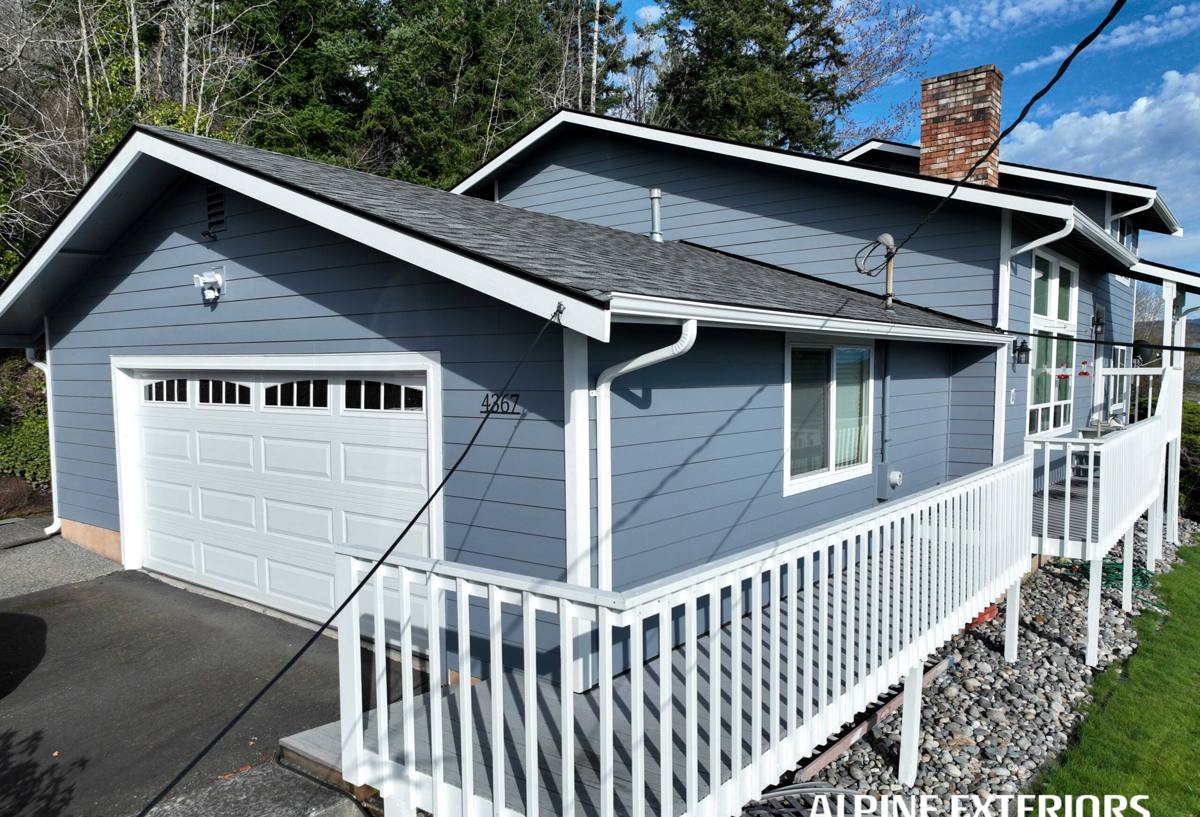
How Local Weather Actually Damages a Roof
Every roofing material has a lifespan on paper, but in this part of Pinellas County the real-world wear comes from a specific combination of forces working together.
Wind and Uplift
Tropical storms and hurricanes bring sustained wind plus gusts that can get under shingle tabs, flashing edges, and ridge caps. Even when a roof survives a storm without visible holes, wind uplift can break the seal on shingles or loosen fasteners, which sets up a slow leak that shows up weeks or months later.
Wind-Driven Rain
Rain that falls straight down mostly runs off a properly shingled roof. Rain driven sideways at 40, 60, or 80+ mph finds every gap — lifted shingle edges, aging pipe boots, old nail holes, hairline cracks in flashing — and pushes water uphill under the roofing material instead of over it. This is why storm damage often shows up as an interior stain days after the wind has died down.
UV and Heat
Florida's sun is intense and nearly year-round. UV exposure dries out asphalt shingles and breaks down sealant strips and rubber pipe boots faster than in most of the country. A roof that's already UV-brittle is far more likely to crack or tear loose in the next windstorm instead of flexing and holding.
Salt Air
Belleair's proximity to the coast means salt-laden humidity settles on roofing metal — flashing, drip edge, nail heads, vent stacks — and accelerates corrosion compared to inland areas. Corroded fasteners and flashing are a common hidden factor in leaks that seem to appear "out of nowhere" after a storm.
Signs Your Belleair Roof May Have Storm Damage
Some storm damage is obvious. A lot of it isn't, especially from the ground. After any significant wind event, it's worth checking for:
- Missing, cracked, curled, or lifted shingles, especially near ridges, edges, and valleys
- Granules collecting in gutters or at downspout outlets
- Dented or creased metal flashing, vent caps, or ridge vents
- Soft spots or discoloration on interior ceilings, especially near exterior walls
- Daylight visible through the attic decking (only check this safely, or have us check it)
- Debris punctures or dents from wind-blown branches, roof tiles from neighboring structures, or hail
- Gutters or downspouts pulled loose or bent
- A musty smell in upstairs rooms or closets that wasn't there before the storm
If you see any of these after a storm, it's worth a professional look even if you don't see active leaking yet. Small storm damage left unaddressed almost always gets worse with the next rain event, not better.
What a Correct Storm Damage Repair Actually Involves
A rushed storm repair — a few shingles swapped and a bead of sealant — often just delays the next leak. A correct repair addresses the whole assembly, not just the visible symptom.
Full Inspection, Not a Spot Check
We look at the entire roof plane, not just the area you reported. Wind damage on one slope is frequently a sign of similar stress on other slopes that haven't failed yet.
Decking Assessment
If water got past the shingles, the plywood or OSB decking underneath may be wet, soft, or delaminating. Repairing over damaged decking doesn't hold, and it hides a problem that gets worse out of sight.
Underlayment
The underlayment is the roof's real waterproofing layer — shingles are the wear surface on top of it. Any area that's opened up for repair gets underlayment that matches or exceeds what's required for the surrounding roof, not a patch of whatever's on the truck.
Flashing and Penetrations
Pipe boots, vent flashing, chimney and wall flashing, and valley metal are common failure points in wind-driven rain. These get inspected and replaced where the seal or metal has degraded, since a shingle repair next to failing flashing will leak again regardless of the new shingles.
Matching Materials
Where shingles are replaced, we match the existing color and profile as closely as the manufacturer's current lineup allows, and use materials rated for the wind exposure our area actually sees, not the minimum available option.
Repair vs. Replacement: What Actually Drives the Decision
Not every storm-damaged roof needs to be replaced, and not every roof can be responsibly patched. Here's how we think through it, and what tends to push the decision each direction.
| Factor | Leans Toward Repair | Leans Toward Replacement |
|---|---|---|
| Age of existing roof | Roof is under roughly 10-12 years old | Roof is near or past its expected service life |
| Extent of damage | Damage is localized to one area or slope | Damage is spread across multiple slopes or the whole roof |
| Decking condition | Decking underneath is sound and dry | Decking is wet, soft, or delaminated in multiple spots |
| Shingle condition elsewhere | Remaining shingles are still pliable, granules intact | Remaining shingles are brittle, curling, or granule-bare |
| Material availability | Matching shingles are still in production | Original product is discontinued and won't blend in |
| Insurance scope | Adjuster's scope supports a repair | Adjuster's scope or damage extent supports full replacement |
We'll give you a straight answer on which side of that table your roof falls on, including when a repair is the honest recommendation even if a replacement would be a bigger job for us.
Our Process, Start to Finish
- Inspection. We walk the roof (or use a safe alternative for steep or fragile roofs) and document every area of concern with photos.
- Written findings. You get a clear explanation of what we found, what's causing it, and what it will take to fix — before any work starts.
- Temporary protection if needed. If there's active leaking or an opening, we can address emergency tarping or temporary sealing so the interior of your home isn't taking on more water while repairs are scheduled.
- Insurance documentation. If you're filing a claim, our inspection photos and written scope are built to support that process — see below.
- The repair itself. Decking, underlayment, flashing, and shingles are addressed as needed, using materials matched to your existing roof and rated for our local wind exposure.
- Final walkthrough. We show you what was done and where, and answer any questions before we consider the job finished.
Working With Your Insurance Company
Most storm damage repairs in Belleair involve an insurance claim at some point. We're not a public adjuster and we don't negotiate your policy for you, but we can:
- Document damage thoroughly with dated photos, useful whether or not you end up filing
- Provide a clear, itemized repair scope that an adjuster can review
- Point out damage that may not be obvious during a quick adjuster walkthrough, like flashing wear or granule loss
- Explain, in plain language, what's storm-related damage versus pre-existing wear — because insurers draw that line carefully, and an honest scope holds up better than an inflated one
Be cautious of anyone who shows up unsolicited after a storm promising to "handle everything" with your insurance company or guaranteeing a specific settlement amount before ever inspecting the roof. That's a red flag in this industry, not a shortcut worth taking.
Shingle and Material Notes for Coastal Pinellas Homes
For most storm repairs in Belleair, we recommend architectural (laminate) shingles over 3-tab where a full slope or full roof is being addressed, because their heavier construction and wind rating generally hold up better to the gust patterns we see off the Gulf. That's a professional judgment call based on wind performance and warranty structure, not a claim that 3-tab shingles are unusable — they're simply a different trade-off in durability versus upfront cost, and we'll walk you through both if it's relevant to your situation.
On flashing and fasteners, we favor corrosion-resistant metal and fastener grades appropriate for salt-air exposure. Standard-grade fasteners can corrode faster this close to the coast, and a fastener failure is a common hidden cause of "mystery" leaks that show up long after a storm has passed.
Why a Crew That Already Works in Belleair Matters
Storm damage repair isn't a one-size-fits-all job, and local familiarity actually changes the outcome:
- Permitting and code knowledge. Pinellas County and local building departments have specific requirements for roof repairs, particularly around wind resistance. A crew that pulls permits here regularly doesn't guess at what's required.
- Realistic timelines after a storm. When a storm hits the whole region, material and labor demand spikes at once. A local crew can generally get eyes on your roof faster than a company traveling in from outside the area, and can prioritize active leaks appropriately.
- Consistent follow-up. If a repair needs a warranty check or a follow-up visit after the next heavy rain, a local company is easy to reach and easy to hold to their work.
- Understanding of the microclimate. Homes near the water deal with salt air and wind exposure that inland Pinellas homes don't see to the same degree. That affects material choice, not just workmanship.
If your Belleair home has taken storm damage — or you just want a professional set of eyes on it before the next system comes through — we're glad to take a look and give you a straight assessment. There's a form below for a free, no-pressure estimate; we'll tell you exactly what we see and what we'd recommend, whether that's a targeted repair or something more.