 Seminole Siding
 Clearwater's Exterior Walls Work Harder Than Most
A house in Clearwater takes a different kind of beating than a house fifty miles inland. Between the Gulf breeze and the bay, exterior walls here deal with salt-laden air almost every day of the year, direct UV exposure that runs stronger and longer than in most of the country, wind-driven rain that gets forced sideways into seams and laps during storms, and the periodic risk of hurricane-force gusts that test every fastener and joint in the siding system. None of that is unique to any one street or subdivision in the area — it's the baseline condition for anything built near the Pinellas County coastline. Siding that isn't built and installed with that combination in mind tends to show it early: fading, swelling, soft spots at the bottom courses, and caulk lines that give out years before they should.
That's the backdrop for every James Hardie installation we do in Clearwater. We're not selling a product; we're solving for what this specific climate does to a home's exterior over ten, twenty, thirty years.
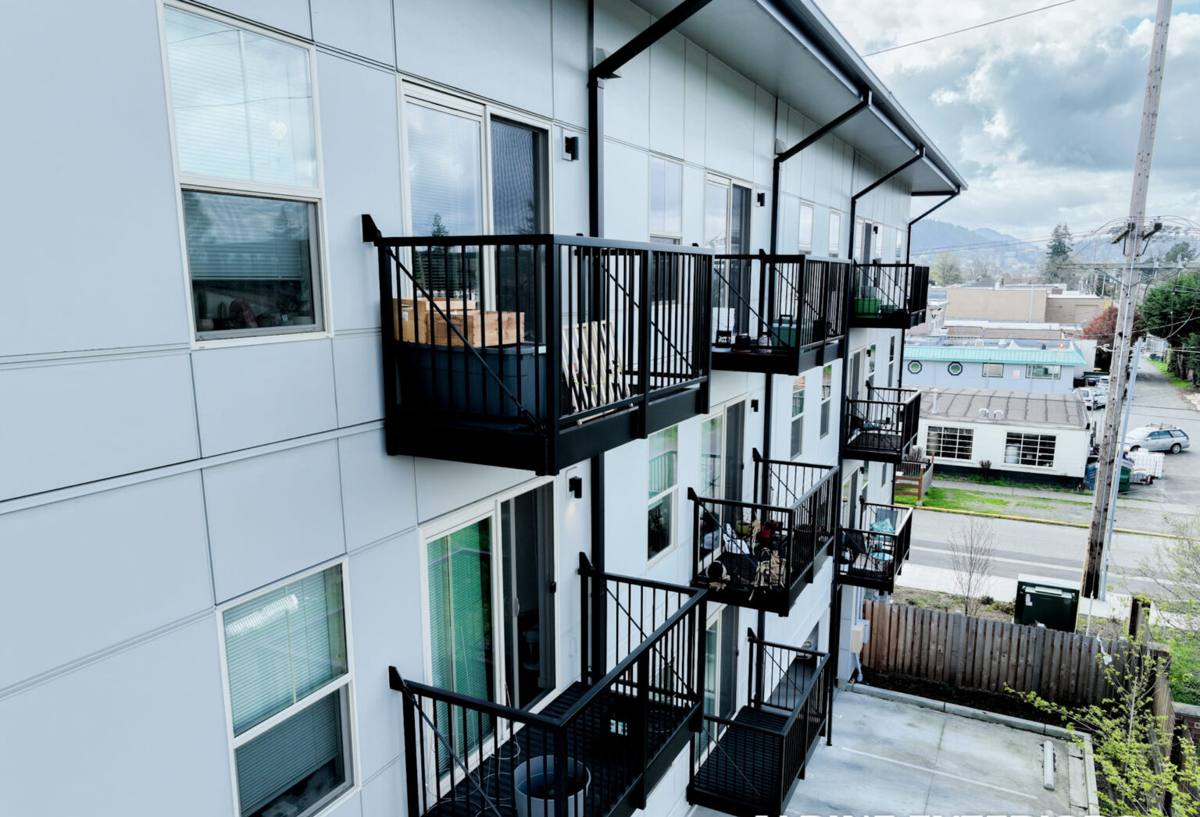
Why We Only Install James Hardie Here
We've made a deliberate call to install James Hardie fiber cement exclusively — no vinyl, no LP SmartSide, no Cemplank, no Allura, no primed wood. That's not a marketing position, it's a standard we hold because of what we've seen hold up in this climate and what hasn't.
Fiber cement itself isn't unique to James Hardie — several manufacturers make it. What we standardized on is the combination of James Hardie's climate-specific engineering, its factory-applied ColorPlus finish, and the manufacturer support behind the product when something needs to be addressed years down the line. Non-combustible, dimensionally stable in heat and humidity, and resistant to the kind of moisture-driven swelling that plagues wood-based and composite products in coastal air — those three things matter more here than almost anywhere else in the country.
What "HZ" Engineering Actually Means
James Hardie makes climate-specific formulations under its HZ (HardieZone) system. HZ5 products are engineered for humid, high-moisture regions like ours — Pinellas County falls squarely in that zone. The formulation accounts for how the board handles repeated wet-dry cycling and humidity swings without warping or losing its bond to paint and finish. Installing a formulation meant for a drier, colder climate on a Clearwater home is one of the more common mistakes we see from installers who don't work Florida's Gulf Coast regularly.
What a Correct James Hardie Job Requires in This Climate
The product is only half the equation. James Hardie siding is engineered to perform, but it depends entirely on installation matching the manufacturer's specifications — and in a hurricane- and salt-exposed market, the margin for shortcuts is smaller than it is elsewhere.
- Correct fastener pattern and type — stainless steel or hot-dip galvanized fasteners, placed and spaced per Hardie's published fastening schedule, not whatever's fastest for the crew.
- Proper clearances — siding held off roof lines, decks, and grade per spec so wicking moisture and standing water don't sit against the board's edge.
- Correct lap and gap sizing — boards need room to move with humidity and temperature swings; too tight and they buckle, too loose and wind-driven rain gets behind them.
- Weather-resistant barrier installed correctly — the house wrap and flashing details behind the siding matter as much as the siding itself for keeping wind-driven rain out of the wall assembly.
- Sealed and primed cut edges — any field-cut board edge left exposed is a point where moisture can get into the cement core over time.
- Quality caulk and sealant at penetrations — window and door trim, vents, and utility penetrations sealed with products rated for UV and salt exposure, not whatever's on the truck.
Every one of those steps is spelled out in James Hardie's installation instructions. Skipping or rushing any of them doesn't just risk a cosmetic issue — it can void the manufacturer's warranty and shorten the real service life of the siding well below what the product is capable of.
How We Handle a Clearwater James Hardie Project
1. On-Site Assessment
We walk the home in person before quoting anything. That means checking the current siding or substrate condition, looking at how the house is oriented relative to sun and prevailing wind, checking for existing moisture damage around windows and the base of walls, and noting anything — soffit, fascia, trim — that should be addressed at the same time rather than left for later.
2. Product and Color Selection
We walk homeowners through the relevant James Hardie board profiles (lap siding, panel systems, trim) and ColorPlus finish options, with an eye toward what actually performs well under strong, consistent Florida sun rather than just what looks good on a sample chip.
3. Tear-Off and Substrate Check
Old siding comes off and we inspect the sheathing underneath before anything new goes up. Covering damaged or wet sheathing with new siding just hides a problem that gets worse — we address it at this stage, not after the new siding is installed.
4. Installation to Manufacturer Spec
Weather barrier, flashing, fastening schedule, clearances, and caulking are all done to James Hardie's published requirements, not shortcuts. This is where the difference between a siding job that lasts fifteen years and one that lasts thirty actually gets decided.
5. Final Walkthrough
We go through the finished job with the homeowner, cover basic care, and make sure everything matches what was quoted and agreed on before we consider the job done.
Common Issues We See — and How Correct Installation Prevents Them
| Issue | Typical Cause | How Correct Installation Prevents It |
|---|---|---|
| Soft or swollen bottom courses | Siding installed too close to grade or roofline, trapping moisture | Manufacturer-specified clearances maintained on every elevation |
| Fading or chalky finish | Lower-grade paint systems not rated for sustained coastal UV | Factory-applied ColorPlus finish engineered for UV exposure |
| Cracked or failed caulk lines | Wrong sealant type or rushed application at trim and penetrations | UV- and salt-rated sealants applied per spec at every joint |
| Water intrusion after wind-driven rain | Poor flashing or house wrap detailing behind the siding | Weather-resistant barrier and flashing installed and lapped correctly |
| Fasteners rusting or backing out | Standard fasteners used instead of corrosion-resistant hardware | Stainless or hot-dip galvanized fasteners per Hardie's fastening schedule |
What Drives the Cost of a Clearwater James Hardie Project
Every home is different, so we won't quote a number without seeing the property, but the factors that generally move a Clearwater James Hardie project up or down in cost are consistent:
| Factor | Why It Matters |
|---|---|
| Home size and wall complexity | More corners, gables, and dormers mean more cutting, trim, and labor time |
| Substrate condition | Rotted or damaged sheathing found during tear-off needs repair before siding goes on |
| Board profile and trim selection | Lap width, panel systems, and trim detailing affect material cost and install time |
| Color and finish choice | Standard ColorPlus colors vs. custom finish options |
| Accessibility | Multi-story sections, tight lot lines, or landscaping that limits staging can add labor |
| Existing siding removal | Tear-off and disposal of old vinyl, wood, or other siding adds to project scope |
Why a Crew That Already Works Clearwater Matters
Installation quality is the single biggest variable in how long James Hardie siding actually performs — more than the product line, more than the color. A crew that regularly works homes along this stretch of the Gulf Coast already knows how to detail flashing for wind-driven rain, which fastening approach holds up to sustained coastal humidity, and how salt air affects trim and hardware choices over time. That's not something you pick up doing one job a year in a coastal market. It's the difference between a crew following a generic install checklist and one that's actually seen how these details play out on homes exposed to the same wind and salt conditions your house faces.
It also matters for accountability. A local crew is reachable if a question comes up two years after the job, and has a track record on other homes in the same area that a homeowner can reasonably expect to hold up the same way.
Caring for James Hardie Siding in a Salt-Air Climate
James Hardie siding installed correctly is genuinely low-maintenance, but "low-maintenance" doesn't mean "no maintenance" — especially this close to the water. A little regular attention goes a long way toward protecting the investment:
- Rinse the exterior periodically with a garden hose to clear salt residue and airborne grime before it builds up.
- Inspect caulk lines around windows, doors, and trim once or twice a year for cracking or separation.
- Keep sprinklers and irrigation from spraying directly on siding for extended periods.
- Trim back landscaping that traps moisture or debris against the siding.
- Watch for any soft spots, staining, or discoloration near the bottom courses and have them checked early rather than waiting.
- Repaint per James Hardie's guidance if and when the factory finish eventually needs refreshing, using products compatible with fiber cement.
If you're weighing a siding replacement in Clearwater and want an honest read on what your home actually needs — not a generic estimate — we're happy to take a look and walk you through it. Reach out for a free, no-pressure estimate and we'll give you a straight answer on scope, product fit, and cost.