 Seminole Siding
 Why Siding Repair Looks Different in Clearwater and Seminole
Homes in Clearwater and Seminole take a different kind of beating than houses further inland. Pinellas County sits on a peninsula, which means almost every property here deals with some combination of salt-laden air, wind-driven rain, and intense year-round UV exposure — and every few years, the real test: a tropical storm or hurricane pushing sideways rain and debris straight into exterior walls. Siding that would hold up fine in a drier, calmer climate often shows damage years ahead of schedule here.
That's the backdrop for every repair call we get in this area. A cracked panel or a soft spot near a window isn't just cosmetic — it's usually a sign that water has already found a way in, and the local climate will make that problem worse, faster, than it would almost anywhere else in the country. Repairing siding correctly in Clearwater and Seminole means understanding that pressure, not just patching what's visible.
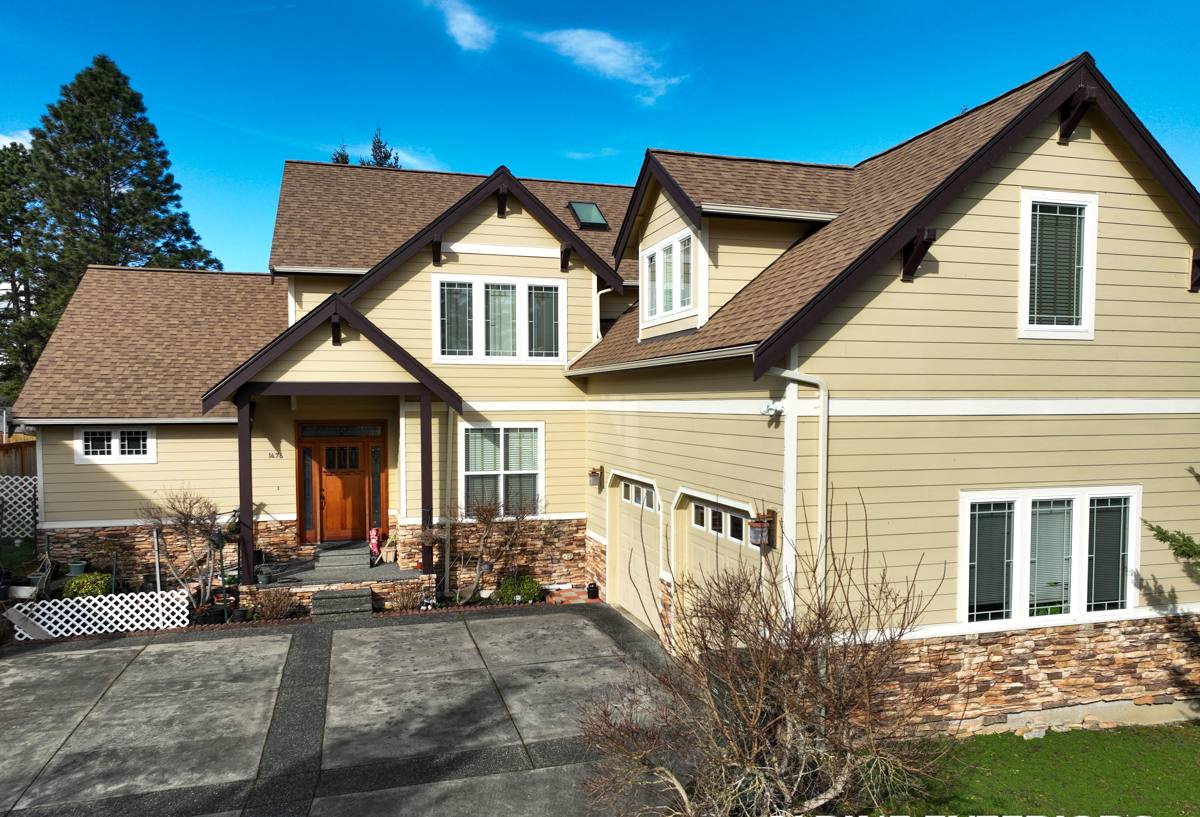
What the Local Climate Does to Siding Over Time
Wind-Driven Rain and Moisture Intrusion
Standard rainfall in most of the country falls close to vertical. Storms rolling through Pinellas County frequently push rain horizontally, forcing water into seams, fastener holes, and butt joints that were never designed to handle direct pressure. Once water gets behind siding, it doesn't dry out quickly in Florida's humidity — it sits, and it starts breaking down whatever is underneath, whether that's sheathing, house wrap, or framing.
UV and Heat Cycling
Florida sun is relentless. Painted and lower-grade siding materials chalk, fade, and become brittle under sustained UV exposure, and the constant heat-up/cool-down cycle between blazing afternoons and cooler nights stresses caulked joints and fasteners. Cracks that start as hairline UV damage widen over a couple of seasons into real entry points for water.
Salt Air Corrosion
Even homes that aren't directly on the water pick up salt content in the air blowing in off the Gulf. Salt accelerates corrosion on fasteners, trim flashing, and any metal components tied into the siding system. A repair that reuses corroded fasteners or ignores compromised flashing is a repair that fails again within a year or two.
Hurricane and Tropical Storm Wind Loads
Wind-driven debris, uplift on loose panels, and repeated flexing during named storms are a fact of life here. Siding that's already marginal going into hurricane season — loose panels, failed caulk lines, weakened fastening — is far more likely to suffer real damage when a storm actually hits.
Common Repair Issues We See on Clearwater and Seminole Homes
Every house is different, but the repair calls in this part of Pinellas County tend to fall into a handful of recurring categories:
- Cracked or split panels near corners, window trim, and areas exposed to direct afternoon sun
- Soft, spongy, or delaminating siding around windows, doors, and roof-to-wall transitions where flashing has failed
- Buckled or warped sections from moisture trapped behind the siding
- Failed caulk joints that have hardened, cracked, or pulled away from trim
- Corroded or backed-out fasteners, especially on older installations
- Localized wind or debris damage after a storm — missing pieces, dented panels, torn-loose sections
- Discoloration, staining, or visible mold growth that signals ongoing moisture, not just surface dirt
Vinyl vs. Fiber Cement: Why the Repair Story Is Different
A lot of the repair calls we get involve vinyl siding, and vinyl has a specific set of problems in this climate: it softens and warps under sustained heat, becomes brittle and cracks in cold snaps, and once a panel is damaged it's often impossible to source an exact color match years later because vinyl fades unevenly and manufacturers discontinue colors. James Hardie fiber cement behaves differently — it doesn't soften in heat, doesn't become UV-brittle the same way, and its factory-applied ColorPlus finish holds color far longer, which matters enormously when you're trying to repair one section of a wall without it looking patched.
What a Correct Repair Actually Involves
The biggest mistake in siding repair isn't picking the wrong material — it's stopping at the visible damage instead of finding out why it happened. A cracked panel is a symptom. The cause might be a failed kick-out flashing above a window, a caulk joint that's been open for two seasons, or a fastening pattern that was wrong from the original install. Replace the panel without fixing the cause, and the same spot fails again — often faster the second time, because the underlying moisture damage has already spread.
A correct repair means:
- Identifying the actual source of water intrusion or damage, not just the symptom
- Checking the condition of the water-resistive barrier and sheathing behind the siding, not assuming it's fine
- Confirming flashing at windows, doors, and roof lines is actually directing water outward
- Matching material, thickness, and profile so the repair doesn't stand out or create a new weak seam
- Re-fastening and re-sealing to the manufacturer's actual installation specification, not shortcuts
Our Process for a Clearwater/Seminole Siding Repair
1. On-Site Inspection
We look at the damaged area and the surrounding siding field, not just the spot you called about. Damage from wind-driven rain and UV exposure rarely stays isolated to one panel, and we'd rather tell you upfront if there's a broader issue than patch one section and have you call again in six months.
2. Diagnosing the Cause
We check flashing, caulk joints, fastening, and — where there's any sign of moisture intrusion — the condition of what's behind the siding. This is the step that separates a real repair from a cosmetic one.
3. Scope and Estimate
You get a clear explanation of what's damaged, why, and what it will take to fix it correctly — including whether repair is the right call or whether the damage has progressed to the point where replacement of that section (or the wall) makes more sense.
4. The Repair Itself
Matching panels are cut, fitted, and fastened to spec. Flashing and moisture barriers are corrected where needed, not just covered back up. Joints are sealed with materials rated for Florida's UV and humidity conditions.
5. Finish and Walkthrough
We finish the repair so it blends with the surrounding siding as closely as the situation allows, and walk you through what was done and why.
Repair vs. Replace: How We Help You Decide
Not every damaged section needs a full replacement, and not every "repair" is actually worth doing. Here's the general logic we use when we're standing in front of your siding:
| Factor | Repair Usually Makes Sense | Replacement Usually Makes Sense |
|---|---|---|
| Extent of damage | Isolated to one or a few panels | Spread across multiple walls or elevations |
| Underlying moisture | No sign of sheathing or framing damage | Rot, soft sheathing, or mold found behind siding |
| Material condition | Surrounding siding is sound and holding up | Surrounding siding is aging out or already failing elsewhere |
| Color/profile match | Material and finish can be reasonably matched | Discontinued color or profile makes a seamless patch impossible |
| Storm exposure | Minor, cosmetic wind or debris damage | Structural or repeated storm damage to the same areas |
We'll always tell you honestly which side of that table your home falls on — a repair that's just delaying an inevitable replacement isn't a good use of your money.
Checklist: Signs Your Siding Needs a Repair Call
- Cracked, split, or visibly warped panels anywhere on the exterior
- Soft or spongy areas when you press on the siding near windows, doors, or corners
- Caulk lines that are cracked, shrunk, or pulled away from trim
- Peeling or bubbling paint, especially in one concentrated area
- Visible staining, dark streaks, or mold growth that doesn't wash off
- A noticeable rise in cooling costs, which can point to moisture or insulation issues behind the wall
- Damage that appeared or worsened right after a storm
Why Hiring a Crew That Already Works in Clearwater and Seminole Matters
Repair work in this area isn't generic exterior work — it's shaped by permitting requirements specific to Pinellas County, wind-load expectations tied to hurricane exposure, and a climate that punishes shortcuts faster than most of the country. A crew that regularly works Clearwater and Seminole homes already understands what tends to fail first in this environment, what local inspectors and HOAs typically expect, and how to fasten and flash a repair so it actually survives the next storm season instead of becoming a repeat call.
It also matters for something simpler: availability after a storm. When a named storm moves through the Gulf, every siding contractor in the region gets busy at once. A crew with an established local presence is in a far better position to get to your home promptly than one working from out of the area.
Why We Repair and Install James Hardie Exclusively
We don't install vinyl, LP SmartSide, or other fiber cement brands, and that standard carries through to repair work. James Hardie's HZ5 product line is engineered specifically for high-humidity, high-UV climates like ours, its ColorPlus factory finish holds color far more consistently over time than field-applied paint, and the warranty structure is one of the strongest in the industry when the product is installed and repaired to spec. When we repair a Hardie installation, we're working with a material that behaves predictably in this climate — it doesn't soften, warp, or fade the way some alternatives do, which means the repair actually holds and blends in rather than becoming the next weak point on the wall.
If you've got damaged, cracked, or aging siding on a Clearwater or Seminole home, we're happy to take a look and give you a straightforward assessment — no pressure, no upsell, just an honest read on what's going on and what it will take to fix it right. Use the form below to request a free estimate.