 Seminole Siding
 Why Madeira Beach Decks Fail Faster Than Decks Everywhere Else
A deck a few blocks from the Gulf lives a different life than one inland. Madeira Beach sits right on the Pinellas County coastline, which means every board, fastener, and footing on an outdoor deck deals with salt-laden air, near-constant humidity, intense UV exposure, and the occasional direct hit from wind-driven rain or a tropical system. None of that is theoretical here — it's the baseline. A deck built to a generic spec sheet, without accounting for this specific environment, tends to show its age within a few seasons: fading, fastener corrosion, board movement, and in wood decks, rot at the ledger and joists long before the surface looks bad.
Composite decking exists specifically to resist most of what wears a deck down, but "composite" isn't a magic word. The material still has to be selected, fastened, and ventilated correctly for a barrier-island climate, or you end up with a deck that looks fine for two years and then develops problems that are expensive to reach and fix. Our job on Madeira Beach projects is making sure that doesn't happen.
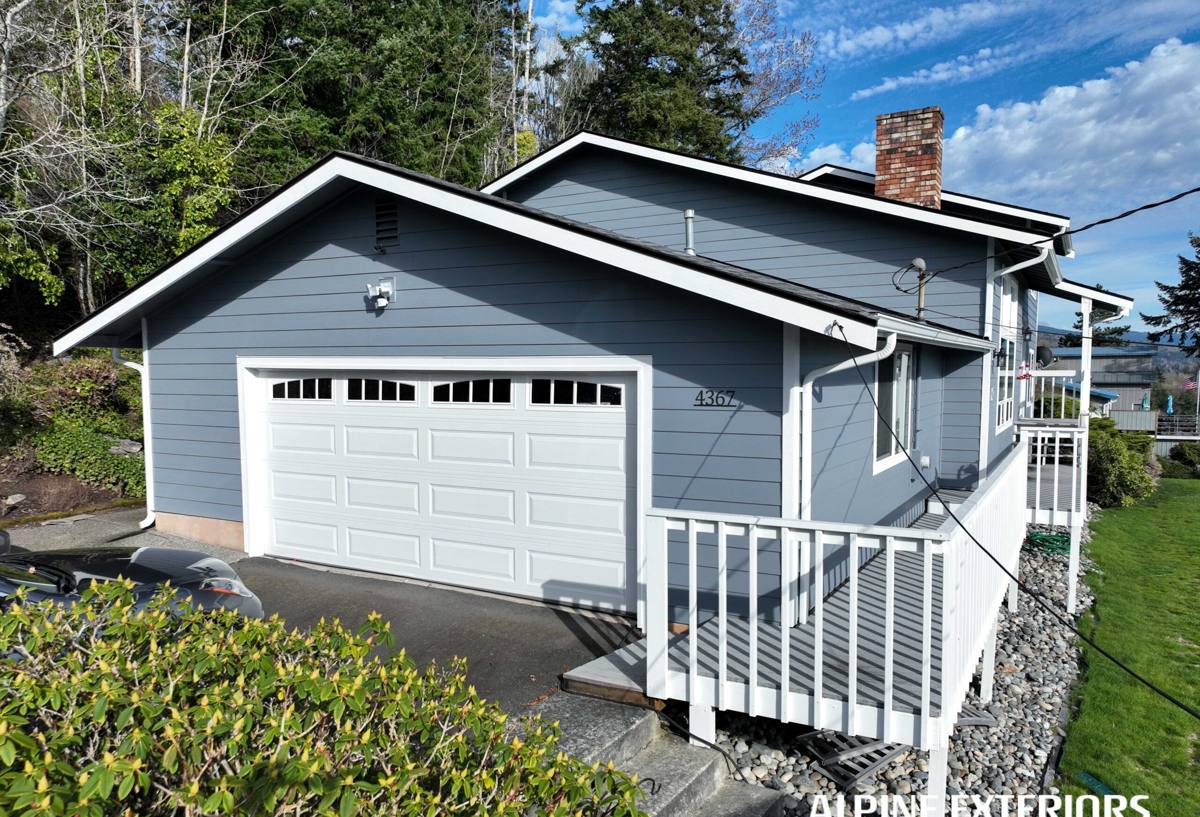
What Salt Air and Coastal Storms Actually Do to a Deck
Salt Air and Metal
Salt in the air accelerates corrosion on anything metal — fasteners, hidden clips, joist hangers, railing hardware. Standard hardware that's fine forty miles inland can start rusting within a couple of years this close to the water. That corrosion doesn't just look bad; loosened fasteners let boards shift, squeak, and eventually work free.
UV and Heat
Florida sun is strong enough, and consistent enough, to fade and chalk lower-grade decking surfaces well before the structure itself is worn out. Dark colors also get genuinely hot underfoot in direct summer sun — worth thinking about at the material-selection stage, not after installation.
Wind-Driven Rain and Moisture
Storms here don't just drop rain straight down — wind pushes it sideways, up under railings, and into any gap that isn't properly flashed or sealed. Moisture that gets trapped between a deck surface and its substructure, or behind ledger boards against the house, is where rot and hidden damage start, composite surface or not.
Wind Load
Madeira Beach construction has to account for hurricane-force wind potential. That affects how railings, posts, and any attached structures are anchored — not just the decking boards themselves.
What a Correctly Built Composite Deck Involves
The decking boards are the visible part, but most of what determines how long a deck lasts is underneath and around them.
Substructure and Ventilation
Composite boards don't rot the way wood does, but the framing underneath them — typically still wood or occasionally a treated/composite substructure — absolutely can, especially in humid coastal air. Proper joist spacing, correct blocking, and real airflow underneath the deck matter more here than in a drier inland climate. A deck built tight to the ground or against the house without ventilation traps moisture that has nowhere to go.
Fasteners and Hardware
This is where a lot of coastal decks quietly fail early. Standard galvanized fasteners can corrode faster than the deck's expected lifespan this close to salt air. We spec stainless steel or coated fasteners rated for coastal/marine exposure on hardware, hidden clips, and structural connections — it costs a bit more up front and saves the deck from loosening boards and rust streaking down the line.
Board Spacing and Expansion Gaps
Composite material expands and contracts with heat and humidity more than most homeowners expect. Manufacturers specify gap tolerances between boards and around fixed objects (posts, walls, framing) for a reason — too tight, and boards can buckle or bow in peak summer heat; too loose, and you get an unfinished look plus debris collection. Getting this right at installation is a permanent fix, not something you can easily correct later.
Flashing and Ledger Attachment
Where a deck attaches to the house, proper flashing keeps wind-driven rain from working its way behind the ledger board and into the home's structure. This detail is invisible once the deck is finished, which is exactly why it's worth confirming with any contractor before work starts.
Composite vs. Other Decking Materials on This Coastline
Every material has real trade-offs here — this is an honest comparison, not a sales pitch for one option.
| Material | Salt Air Resistance | Maintenance | Typical Lifespan Locally |
|---|---|---|---|
| Composite decking | Strong when installed with coastal-rated hardware | Periodic cleaning; no staining or sealing | 20-30 years |
| Pressure-treated wood | Vulnerable to rot and fastener corrosion | Annual sealing/staining recommended | 10-15 years with upkeep |
| Tropical hardwoods (ipe, etc.) | Naturally dense, moderate resistance | Periodic oiling to maintain color | 20-25 years with upkeep |
| PVC/vinyl decking | Very strong, fully synthetic | Low; can look less natural | 25-30 years |
Composite lands in a practical middle ground for most Madeira Beach homeowners: it holds up to salt air and humidity substantially better than untreated or minimally treated wood, without the ongoing sealing and staining commitment wood requires in this climate. It's not maintenance-free — nothing outdoors here is — but the maintenance is lighter and less time-sensitive.
Choosing the Right Composite Board for a Beach-Adjacent Home
Not all composite decking is built the same, and the differences matter more this close to the Gulf than they would inland.
- Capped composite — boards with a protective polymer shell around a wood-composite core resist moisture absorption and fading far better than uncapped composite, which matters a great deal in humid, salty air.
- Color and heat — lighter and mid-tone colors stay cooler underfoot in direct summer sun than dark tones; worth weighing for a pool deck or fully exposed area.
- Manufacturer warranty terms — coastal/marine environments are sometimes treated differently in warranty fine print; we check this before recommending a specific product line.
- Board profile — grooved boards for hidden fastening give a cleaner look but require the fastener spacing to be right; solid-edge boards are more forgiving for certain layouts.
Our Installation Process
- On-site assessment — we look at the existing structure (if replacing an old deck), ledger condition, drainage, and how exposed the site is to prevailing wind and rain direction.
- Material and layout selection — matched to the home's exposure, color/heat preference, and budget, with coastal-rated hardware specified from the start.
- Substructure work — framing repairs or new framing, proper joist spacing, and ventilation built in, not treated as an afterthought.
- Flashing and moisture protection — ledger flashing and any transitions against the house sealed correctly before decking goes down.
- Decking installation — boards fastened with stainless or coastal-rated hardware, expansion gaps set to manufacturer spec, layout kept clean and consistent.
- Railings and finish work — anchored to withstand local wind load, hardware matched to the same corrosion-resistance standard as the deck itself.
- Final walkthrough — we go over basic care with the homeowner before we consider the job done.
Problems We Regularly Fix on Existing Decks
A fair amount of our composite decking work in the Seminole and Madeira Beach area isn't new construction — it's correcting issues from a deck that wasn't built for this environment in the first place.
- Rusted or corroding fasteners causing loose, squeaking, or lifting boards
- Missing or improper ledger flashing leading to hidden moisture damage against the house
- Boards installed with no expansion gap, buckling or bowing in summer heat
- Substructure rot underneath composite decking that looked fine on the surface
- Railings and posts undersized or under-anchored for local wind exposure
Most of these trace back to the same root cause: a deck built to a general spec instead of the specific conditions of a barrier-island property.
Maintaining a Composite Deck in a Salt-Air Climate
Composite cuts down on maintenance significantly compared to wood, but "low-maintenance" isn't "no-maintenance," especially here.
- Rinse the deck periodically with fresh water to clear salt residue, especially after storms with onshore wind
- Sweep away sand, leaves, and debris regularly — trapped debris holds moisture against the board surface
- Clean with a mild soap and water solution as needed; avoid pressure-washing at close range, which can damage the board's protective cap
- Check railing and structural hardware periodically for early signs of corrosion, particularly in the first few years
- Confirm gutters and downspouts near the deck are directing water away rather than onto or under it
Permits and Building Requirements
Deck construction and significant repairs in Pinellas County and the City of Madeira Beach typically require permitting, and coastal construction standards factor in wind load requirements that inland projects don't have to meet. Railing height, structural anchoring, and sometimes flood zone considerations all come into play depending on the property. We handle the permitting process as part of the job rather than leaving homeowners to sort it out separately.
Why Local Experience on This Stretch of Coast Matters
A contractor who mainly works inland Florida, or out of state, can build a technically sound deck that still isn't right for a Madeira Beach property — wrong hardware grade, no real plan for wind-driven rain intrusion, or a substructure that isn't ventilated for this humidity. We're based in Seminole and do this work throughout Pinellas County's coastal communities regularly, which means the material choices, fastening standards, and flashing details described above aren't add-ons we upsell — they're the standard we build to by default for any home this close to the Gulf.
If you're planning a new composite deck or need an existing one repaired or replaced in Madeira Beach, we're glad to take a look and give you a straightforward, no-pressure estimate. Use the form below to get started.