 Seminole Siding
 Siding Built for Indian Rocks Beach's Barrier Island Conditions
Indian Rocks Beach sits on the barrier island chain along Pinellas County's Gulf coast, just west of the Seminole mainland we're based in. Homes here face a different set of conditions than properties a few miles inland: direct salt spray off the Gulf, wind loads that pick up speed with nothing to break them before they hit a house, and sun exposure that runs harder and longer than most siding products were ever designed to handle. Siding that performs fine in a shaded inland neighborhood can fail early on a barrier island lot, and that's the gap we install to close.
This page covers siding installation specifically for Indian Rocks Beach and the immediate coastal pocket of our Seminole service area — what the environment demands, what a correct installation actually involves, and why we've standardized on one product system instead of offering a menu of options.
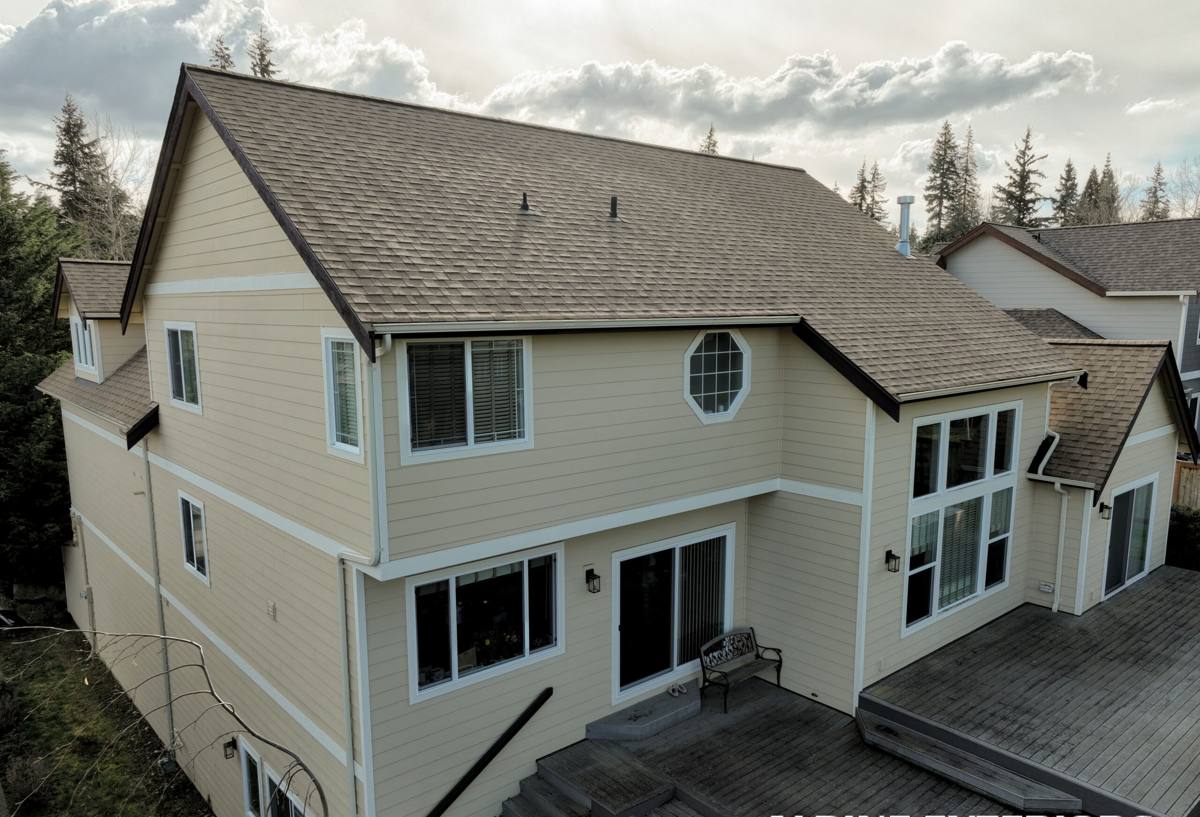
What Coastal Exposure Actually Does to Siding
Salt Air and Corrosion
Airborne salt doesn't just sit on the surface — it works into fastener heads, trim joints, and any exposed metal on a home's exterior. Over years, that corrosion can loosen fastening systems and stain siding faces long before the siding material itself is due for replacement. The fasteners and flashing details matter as much as the siding panel on a Gulf-front or near-Gulf property.
Constant UV Load
Florida sun is intense everywhere, but a west-facing or unshaded coastal elevation gets almost uninterrupted UV exposure for most of the day. Field-applied paint finishes chalk, fade, and break down faster under that kind of load, which means repaint cycles come sooner and unevenly — some elevations fading years ahead of others.
Wind-Driven Rain
Storms here rarely come straight down. Wind pushes rain sideways and up under laps, around penetrations, and into any gap in the water-resistive barrier. A siding system is only as good as its ability to shed that water back out rather than trap it against the wall assembly.
Hurricane-Force Wind Loads
Every fastener, lap, and piece of trim on a home in this area needs to hold up under real storm wind, not just everyday breeze. That means installation to the manufacturer's high-wind-zone fastening specification isn't optional — it's the difference between siding that survives a named storm and siding that peels off the wall.
Why We Install Only James Hardie Fiber Cement Here
We install James Hardie fiber cement siding exclusively — we don't install vinyl, LP SmartSide, Cemplank, Allura, primed spruce, or cedar. That's a deliberate standard, not a lack of options, and on a barrier island property the reasoning holds up even more than it does inland.
Fiber cement is non-combustible and dimensionally stable — it doesn't expand, contract, warp, or absorb moisture the way wood-based and engineered-wood siding products can, which matters in a climate that cycles between soaking rain and intense heat all year. Hardie's ColorPlus factory finish is baked on and warranted against fading in a controlled process, which holds up far better under sustained coastal UV than a finish applied on-site. Hardie also engineers specific product formulations, marketed as their HZ5 and HZ10 lines, for higher-humidity and coastal-exposure climates — Central Florida falls squarely in that category. Paired with a transferable, non-prorated limited warranty when installed to spec, it's a system built for the exact conditions Indian Rocks Beach throws at it.
That doesn't mean the alternatives are without merit — vinyl is inexpensive and low-maintenance in mild climates, and engineered wood products offer their own installation advantages. But on a coastal Pinellas County home, the trade-offs we see with those products — moisture sensitivity at cut edges, hardware corrosion in vinyl track systems, shorter warranty terms, or finish breakdown under constant sun — are trade-offs we're not willing to put our name behind. Hardie is what we've chosen to install, and it's the only thing we put on a home.
What a Correct Siding Installation Involves
The siding panel itself is only part of the system. A correct installation on a coastal home includes:
- A continuous, properly lapped water-resistive barrier behind the siding, with all seams and penetrations sealed
- Correct flashing at windows, doors, roof-to-wall intersections, and any other transition point
- Corrosion-resistant fasteners — stainless steel or hot-dip galvanized, not standard coated fasteners that corrode in salt air
- Manufacturer-specified nailing patterns and fastener spacing rated for the local wind zone, not a generic pattern
- Proper clearance between the bottom of the siding and grade, roofing, decks, or paved surfaces to keep the material from sitting in standing moisture
- Correctly caulked and painted cut ends and joints, using products compatible with the ColorPlus finish
Skip any one of these and the siding can look fine for a year or two while a moisture or corrosion problem builds behind it — which is exactly the kind of failure that shows up as a costly repair down the road instead of at the time of installation, when it would have been simple to prevent.
Our Indian Rocks Beach Installation Process
- On-site assessment. We walk the exterior, check existing siding and trim condition, look for signs of past moisture intrusion, and measure for material.
- Tear-off and sheathing inspection. Old siding comes off and we inspect the sheathing underneath for rot or water damage before anything new goes up — this is the step that gets skipped by crews in a hurry, and it's the one that matters most.
- Repair as needed. Any damaged sheathing or framing gets repaired or replaced before the water-resistive barrier goes on. Covering up a problem instead of fixing it just guarantees a bigger repair later.
- Water-resistive barrier and flashing. A continuous barrier is installed and lapped correctly, with flashing detailed at every window, door, and penetration.
- Trim and accessories. Corner boards, starter strips, and trim are set first so the siding courses run true and finish cleanly.
- Hardie siding installation. Boards are installed to the manufacturer's fastening specification for our wind zone, with correct lap and gap spacing throughout.
- Sealing and finish work. Cut ends and joints are sealed and touched up so the ColorPlus finish reads as one continuous surface.
- Final walkthrough. We go around the house with the homeowner before calling the job done, not after.
Choosing the Right Hardie Product for This Stretch of Coast
Hardie's product line covers a range of looks and profiles, and the right choice depends on the home's style and exposure, not just personal preference.
| Product | Look | Best Suited For |
|---|---|---|
| HardiePlank Lap Siding | Traditional horizontal lap, several width and texture options | Most single-family homes; the standard choice for a classic coastal exterior |
| HardiePanel Vertical Siding | Smooth or stucco-textured vertical panels | Modern or coastal-contemporary styles, often paired with lap siding as an accent |
| HardieShingle Siding | Staggered or straight-edge shingle profile | Cottage-style coastal homes wanting a textured, dimensional look |
| Board & Batten (HardiePanel + battens) | Vertical panels with raised battens over the seams | Accent walls, gables, or a full-home clean architectural look |
Within each profile, Hardie's HZ10 formulation is engineered specifically for higher-moisture, higher-humidity climates like ours, and it's what we specify by default on installations in this area unless a project calls for something else.
What Siding Installation Costs Depend On
Every home is different, so we don't quote a number until we've walked the property, but the same handful of factors drive cost on nearly every job:
| Factor | Why It Matters |
|---|---|
| Home size and elevation complexity | More square footage and more corners, gables, and dormers mean more labor and material |
| Condition of existing sheathing | Rot or water damage found during tear-off adds repair scope that can't be known until the old siding is off |
| Siding profile and accessories | Board & batten, shingle, and heavy trim details take more time to install than a straightforward lap job |
| Site access | Tight lots, seawalls, landscaping, or limited staging space near the water can slow the work |
| Removal and disposal of old siding | Volume and type of material being removed affects labor and disposal cost |
Checklist: What a Correctly Installed Job Looks Like
- Sheathing was inspected and any damage was repaired before new siding went on
- Water-resistive barrier is continuous with no exposed gaps or unsealed seams
- Flashing is installed at every window, door, and roofline transition
- Fasteners are corrosion-resistant and set to the manufacturer's wind-zone spacing
- Siding is held clear of grade, roofing, and decking — not butted directly against them
- Cut ends and joints are sealed and finished to match the factory ColorPlus coating
- You received a walkthrough before the crew considered the job complete
Why a Crew That Already Works Indian Rocks Beach Matters
Siding installation on a barrier island property isn't identical to siding installation a few miles inland. A crew that regularly works Indian Rocks Beach and the surrounding Seminole coastline already understands the wind-zone fastening requirements that apply here, has been through the Pinellas County and local permitting process for exterior work, and knows what salt air does to fasteners and trim over time — because they've seen it firsthand on other homes nearby. That familiarity shows up in the details: the flashing choices, the fastener spec, the way trim is sealed against wind-driven rain. It's the difference between a crew that's installing to a generic standard and one that's installing for the specific conditions your house actually has to survive.
Caring for Your Siding After Installation
Correctly installed James Hardie siding is low-maintenance, but a coastal home benefits from a little routine attention. Rinse salt residue off the exterior periodically, especially after storms with heavy onshore wind. Do a visual check of caulked joints and trim once a year and have any cracked or separated caulk addressed before it becomes a water entry point. Keep irrigation heads and heavy landscaping from spraying or pressing directly against the siding base. None of this is demanding work — it's the kind of upkeep that protects the installation you're paying for and keeps it looking right for the long run.
If you own a home in Indian Rocks Beach or the surrounding coastal Seminole area and want a straight answer about what your siding needs, we're happy to take a look. Reach out for a free, no-pressure estimate using the form below.