 Seminole Siding
 Windows Built for an Indian Rocks Beach Address
Indian Rocks Beach sits right on the Gulf, which means every window in a home here is doing a harder job than a window ten miles inland. It's holding back wind-driven rain during summer storms, standing up to salt air that never really stops working on metal and seals, and taking direct UV exposure nearly every day of the year. When a window fails on a barrier island property, it's rarely dramatic — it's usually a slow failure: a seal that clouds over, a frame that pits and corrodes, or a track that binds because sand and salt have worked into the hardware. We install windows in Indian Rocks Beach and the surrounding Seminole and Pinellas County coastline regularly enough to know which products and installation details actually hold up here, and which ones look fine in the showroom and struggle within a few years of Gulf exposure.
This page is specifically about window installation for Indian Rocks Beach homes — what the local conditions demand, what a correct installation actually involves, and how to think about the decision if you're getting quotes.
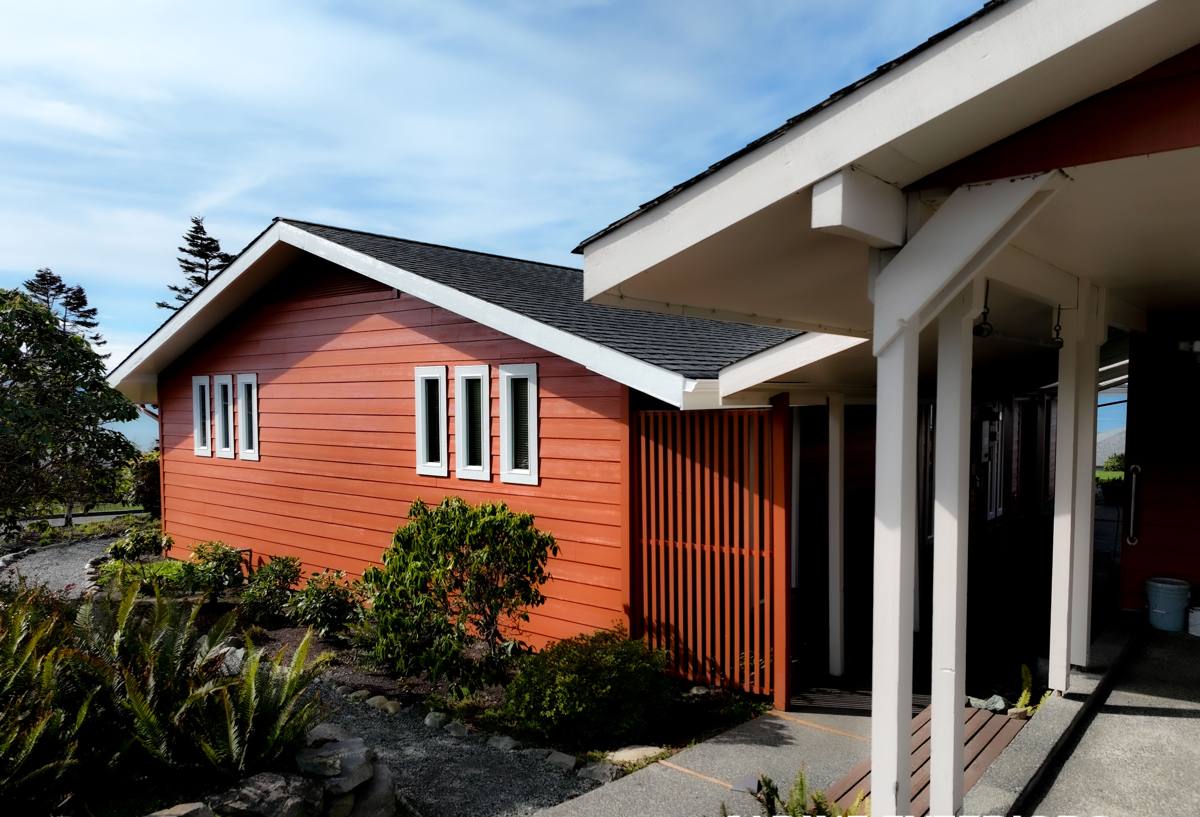
What Gulf-Front Exposure Does to Windows Over Time
Salt Air and Corrosion
Salt-laden air is airborne almost year-round this close to the water, and it settles on everything — including window frames, hardware, and screws. Aluminum and steel components that aren't rated for coastal exposure can corrode from the inside out, often starting at fasteners and hinge points you can't see until a window stops operating smoothly. This is one of the biggest differences between installing windows here versus installing the same product a few miles inland: the corrosion clock starts the day the window goes in, and it runs faster on the beach side of Seminole than almost anywhere else in Pinellas County.
Wind and Wind-Driven Rain
Pinellas County building code requires wind-load-rated products in coastal zones, and Indian Rocks Beach falls squarely into that category. It's not just about the glass surviving a gust — it's about whether wind-driven rain gets forced past the frame and into the wall cavity during a sideways summer storm. A window can be rated correctly and still leak if the flashing and sealing around it weren't done right. We've seen this more than once: a good window, installed with shortcuts, that leaks in exactly the storms it was supposed to be rated for.
UV Breakdown
Constant sun exposure degrades vinyl, weakens seals, and can yellow or warp lower-grade frame materials over years of daily exposure. Glass coatings and frame materials that aren't built for sustained UV will show it first in the caulking and gasket lines, then eventually in frame warping or seal failure.
What a Correct Installation Actually Involves
A window installation is only as good as the parts nobody sees once it's done. For Indian Rocks Beach homes, that means:
- Verifying the rough opening is square, sound, and free of existing water damage or rot before the new window ever goes in
- Proper flashing integration with the existing wall assembly, not just caulk around the perimeter
- Coastal-rated fasteners and hardware — not standard hardware that will corrode faster in salt air
- Correct shimming and fastening pattern to meet the window's tested wind-load rating, not just "solid enough"
- Continuous, compatible sealant beads at every penetration point, with no gaps where wind-driven rain can find a path in
- Confirming the finished install meets the product's manufacturer installation instructions, since that's what keeps the warranty valid
Skipping any one of these doesn't usually show up on day one. It shows up as a leak during the next heavy blow, or as a warranty claim that gets denied because the installation didn't match the manufacturer's instructions.
Choosing the Right Window for This Location
Impact-Rated vs. Standard with Shutters
Homeowners on Indian Rocks Beach generally choose between impact-rated windows or standard windows paired with separate hurricane shutters or panels. Impact glass costs more upfront but removes the step of putting up protection before every storm and provides year-round protection against wind-borne debris — relevant even outside hurricane season, since afternoon storms can throw debris in a bad squall. Shutters lower the upfront window cost but require action (and storage) every time a storm threatens, and don't help with daily UV or noise reduction the way laminated impact glass does.
Frame Material
Vinyl frames with UV-stabilized formulations hold up well in this climate and don't corrode. Aluminum frames are strong and slim-profile but need a marine-grade or coastal-rated finish to resist salt air pitting — standard aluminum is a poor fit this close to the Gulf. Wood-clad frames look great but require more upkeep in high-humidity, high-salt environments and are generally not our first recommendation for a direct Gulf-side property.
Cost Factors Homeowners Should Weigh
| Factor | Lower-Cost Path | Higher-Cost Path | What It Affects |
|---|---|---|---|
| Glass type | Standard dual-pane, non-impact | Laminated impact glass | Storm protection, insurance considerations, daily security |
| Frame material | Standard vinyl | Coastal-rated vinyl or marine-grade aluminum | Corrosion resistance, service life on the beach |
| Storm protection | Removable panels/shutters | Built-in impact rating | Convenience, year-round coverage vs. seasonal prep |
| Installation detail | Basic flashing/sealing | Full coastal flashing and fastening package | Leak resistance, warranty validity |
| Number of windows | Phased replacement | Whole-house replacement | Upfront cost vs. consistent performance and appearance |
None of these are "wrong" choices — they're trade-offs based on budget, how long you plan to own the home, and how much storm-prep effort you want to deal with each season. We'll walk through these honestly rather than upselling every job to the top-tier option.
Our Process for an Indian Rocks Beach Window Job
1. On-Site Assessment
We look at each opening individually — age of the existing window, condition of the surrounding wall and framing, and any signs of past water intrusion. Coastal homes vary a lot in condition depending on age and prior maintenance, so we don't quote off a phone call alone.
2. Product Recommendation
Based on your home's exposure, budget, and whether you want impact-rated glass or a shutter-paired approach, we'll recommend specific products that are actually suited to direct Gulf exposure — not just whatever carries the highest margin.
3. Permitting
Window replacement in Pinellas County coastal zones typically requires a permit, and the installed product needs to carry the correct wind-load approval for this location. We handle this as part of the job so you're not left guessing about compliance.
4. Installation
Old window removal, opening inspection and repair if needed, then installation following manufacturer specifications with coastal-appropriate flashing, fastening, and sealing.
5. Final Inspection and Walkthrough
We check operation, sealing, and finish on every window before we consider the job done, and walk you through any care or maintenance specifics for coastal-rated products.
Why Local Experience on This Stretch of Coast Matters
A contractor who mostly works inland Pinellas County or Tampa Bay's less exposed areas may not think twice about standard hardware or a lighter sealing approach — because in those locations, it's often fine. On Indian Rocks Beach, those same shortcuts show up faster. A crew that regularly works this barrier island knows the wind-load requirements that apply here, has seen which frame materials actually hold up to salt air over years (not just on a spec sheet), and understands the flashing details that keep wind-driven rain out during a real Gulf storm. That local pattern-recognition is the difference between a window that looks right at installation and one that still performs correctly five or ten years in.
Maintenance That Extends the Life of Your Windows
- Rinse frames and hardware periodically to remove salt buildup, especially after windy or stormy stretches
- Check weep holes and drainage tracks so they aren't blocked by sand or debris
- Inspect caulk and sealant lines once or twice a year and address any gaps before they become leaks
- Operate hardware regularly so tracks and locks don't seize from corrosion or salt residue
- Have a professional check window seals if you notice fogging between panes — that's a sign the seal has failed
Get a Straight Answer About Your Windows
If you're dealing with drafty, foggy, or hard-to-operate windows on your Indian Rocks Beach property — or you're planning ahead of hurricane season — we're glad to take a look and give you an honest read on condition and options. There's no pressure and no obligation. Use the form below to request a free estimate, and we'll walk your property with the specific demands of this coastline in mind.