 Seminole Siding
 Building a Deck That Can Actually Handle Indian Shores
Indian Shores sits right on the barrier island strip, with the Gulf on one side and the Intracoastal on the other. That location is exactly what makes it a great place to put a deck — and exactly why a deck built here has to be built differently than one going up a few miles inland in Seminole proper. Salt-laden air moves through this corridor constantly, the sun is intense nearly every day of the year, and wind loads during storm season are a real design factor, not an afterthought. A deck that isn't specified for that environment will show it within a couple of seasons: rust bleeding from fasteners, boards cupping or fading unevenly, railings loosening at the posts.
This page is about one thing — custom deck construction for homes in and around Indian Shores — and what it actually takes to get it right in this specific stretch of Pinellas County.
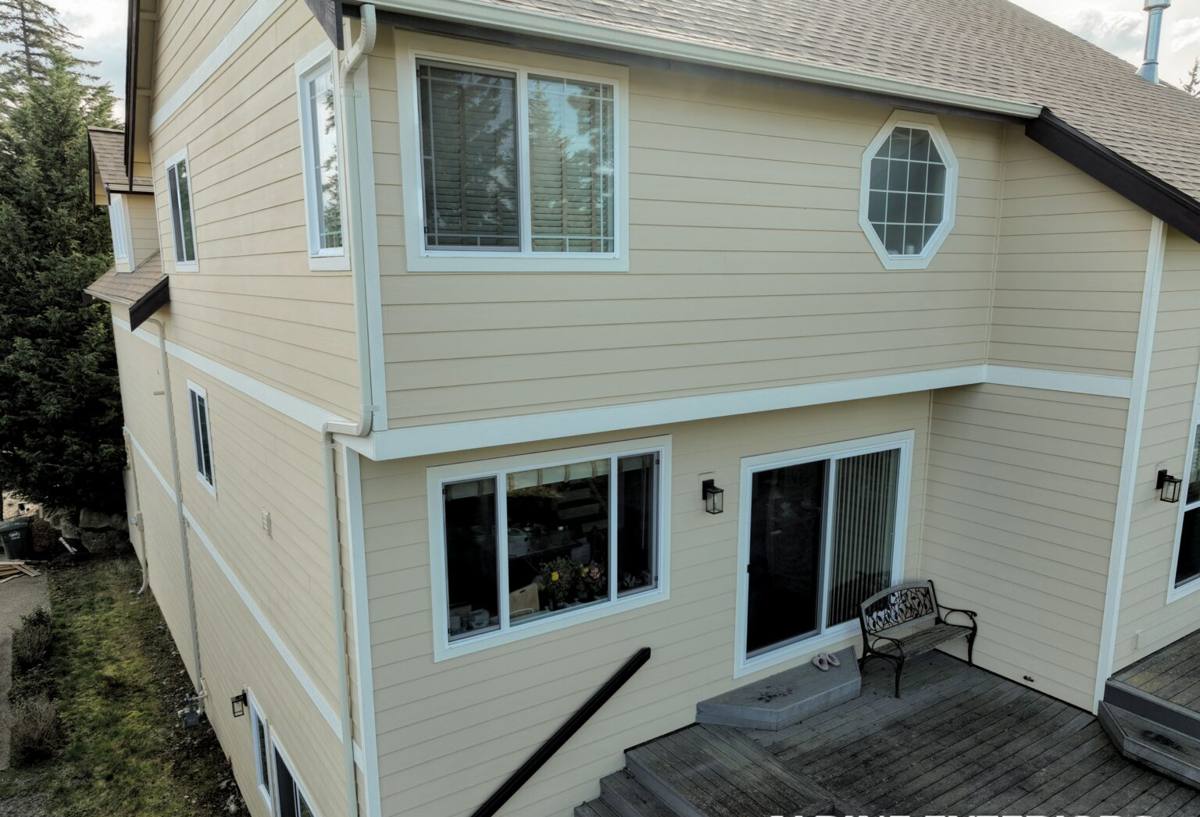
What the Coastal Environment Does to a Deck Over Time
Salt Air and Corrosion
Airborne salt doesn't just affect homes directly on the water. It travels on the wind and settles on everything — railings, fastener heads, hidden framing connectors. Standard zinc-coated hardware that would last decades in an inland yard can start corroding within a few years this close to the Gulf. Once a fastener starts to rust, it weakens at exactly the point where the deck depends on it most.
UV Exposure and Fading
Florida sun is hard on any exterior surface, but a horizontal deck surface takes it worse than a vertical wall because it faces the sun directly for most of the day. Untreated or poorly finished wood grays and splits. Lower-grade composite boards can fade unevenly, especially where furniture or planters create shade patterns.
Wind-Driven Rain and Moisture Cycling
Afternoon storms roll through fast and often sideways. Decking that isn't gapped and ventilated correctly holds water against the framing underneath, which leads to rot in wood substructures and hidden corrosion in metal connectors — problems you don't see until they've been developing for a while.
Wind Loads
Pinellas County's barrier island communities are built to higher wind-resistance standards than a lot of inland Florida, and for good reason. A deck's railings, posts, and ledger connection all need to be engineered to resist uplift and lateral loads, not just support the weight of people standing on it.
What "Custom" Should Mean for Your Deck
Custom doesn't just mean picking a shape. On a barrier island lot, custom design decisions actually solve problems:
- Board orientation and spacing that lets wind-driven rain drain instead of pool
- Railing systems that meet code for wind exposure without turning into a sail in a storm
- Layouts that work with existing elevation, drainage, and setback constraints on narrow island lots
- Shade and sightline planning around how intense the afternoon sun actually gets on a west- or south-facing deck
- Stair and landing placement that accounts for grade changes common on these lots
A generic deck plan pulled off a shelf doesn't account for any of that. A correctly customized one treats the coastal conditions as part of the design brief from day one, not something to patch later.
Choosing the Right Decking Material
There's no single "best" decking material — there are trade-offs, and the right call depends on your budget, how much upkeep you want to do, and how close you are to the water. Here's how the common options actually compare in this environment:
| Material | Salt Air Resistance | Maintenance | Heat Underfoot | Typical Lifespan |
|---|---|---|---|---|
| Pressure-treated pine | Good if properly sealed and re-sealed regularly | Highest — annual cleaning and re-sealing | Moderate | 10-15 years with upkeep |
| Tropical hardwood (e.g. ipe) | Very good, naturally dense | Moderate — periodic oiling to maintain color | Lower than composite | 25+ years |
| Capped composite | Very good, shell resists salt and moisture | Low — occasional washing | Can run hot in direct sun | 25-30 years |
| PVC / cellular vinyl | Excellent, no wood fiber to absorb moisture | Lowest | Runs hottest of the group | 25-30+ years |
We don't push one material as universally "best." Pressure-treated wood is the most affordable option and still a solid choice if you're willing to keep up with sealing on a regular schedule. Composite and PVC cost more up front but trade ongoing maintenance for material cost — which matters a lot to owners who don't want to be out there re-sealing boards every year in this climate. We'll walk through the honest trade-offs for your specific project rather than steering you toward whatever is easiest for us to install.
What's Underneath Matters More Than What's On Top
Framing and Fasteners
This is where a lot of corner-cutting happens on deck jobs, because it's the part nobody sees once the boards go down. On a project this close to the Gulf, we treat coastal-grade, corrosion-resistant fasteners and connectors as the standard, not an upgrade — stainless steel or high-grade coated hardware at every structural connection, not just the visible ones.
Ledger Attachment and Flashing
Where the deck ties into the house is the single most important structural connection on the entire build. It has to be properly flashed to keep water from getting behind the siding or into the rim joist, and it has to be fastened to actually resist the loads the deck will see in a storm. A poorly flashed ledger is one of the most common causes of hidden rot we find when we're called out to fix somebody else's deck.
Posts, Footings, and Hardware
Footing depth and post connections are governed by Florida Building Code and local wind-exposure requirements, and they're not a place to guess. Post bases should keep wood off direct ground or slab contact, hurricane-tie style connectors should be used at key structural joints, and footings need to be sized for the actual loads and soil conditions on your lot — not just poured to whatever looked deep enough.
Our Process, Start to Finish
- On-site walkthrough. We look at your lot, existing structure, sun exposure, drainage, and how you actually want to use the space.
- Design and material selection. We talk through layout options and decking materials with honest pros and cons for your budget and maintenance preferences.
- Permitting. We handle the permit application and coordinate any required inspections through Pinellas County and, where applicable, local jurisdiction requirements.
- Framing and structural work. This is where coastal-grade hardware, proper ledger flashing, and correctly sized footings go in — the part that determines how the deck holds up long term.
- Decking, railings, and finish work. Boards, railing systems, stairs, and any built-ins are installed to spec.
- Final walkthrough. We go over the finished deck with you, including what maintenance it needs and on what schedule.
Permits and Code in a Coastal Jurisdiction
Deck construction on the barrier islands typically requires a building permit, and depending on your lot's location and elevation, additional review may apply. Wind-exposure category, setback requirements, and — for some lots — flood zone considerations can all affect what's allowed and how the structure needs to be engineered. This isn't paperwork we treat as an afterthought; it's part of why a properly permitted, inspected deck is worth the process compared to unpermitted work that can create problems at resale or insurance time. We manage this as part of the build so you're not chasing it yourself.
Keeping Your Deck in Shape Once It's Built
Even the right materials and the right build need some ongoing attention in this climate. A simple seasonal routine goes a long way:
- Rinse salt residue off decking and railings periodically, especially after storms with onshore wind
- Check fastener heads and railing connections once or twice a year for early signs of corrosion
- Keep gaps between boards clear of debris so water can drain instead of sitting
- Re-seal or re-oil wood decking on the schedule recommended for your specific species
- Inspect the ledger board area and any spots where the deck meets the house for signs of moisture intrusion
- Trim back vegetation that holds moisture against framing or blocks airflow underneath the deck
None of this is complicated, but skipping it is how a well-built deck ends up needing early repairs anyway. We're happy to walk you through what your specific material and design actually needs.
Why It Matters to Hire a Crew That Already Works This Area
A lot of general contractors can frame a deck. Fewer of them build decks day in and day out against Gulf-front salt air, high UV exposure, and Pinellas County's coastal wind requirements. That experience shows up in decisions that aren't obvious from a set of plans — which hardware actually holds up here, how tight to run board spacing for drainage, where the sun really hits a given lot layout in the afternoon. A crew that regularly works Indian Shores and the surrounding barrier island communities has already made those calls on other projects and knows which shortcuts cause problems two years down the road.
It also means we're not learning the local permitting process on your project. We know what Pinellas County and the local jurisdiction typically expect from a deck permit application, which keeps your project moving instead of stalling on avoidable paperwork issues.
Get a Straightforward Estimate
If you're planning a new deck or replacing one that's showing its age, we're glad to come take a look, talk through material options honestly, and put together a clear estimate — no pressure, no upsell games. Use the form below to request a free estimate for your Indian Shores property.