 Seminole Siding
 Kenneth City is a small, tightly packed community wedged between Seminole and the rest of central Pinellas County, and its housing stock skews older — a lot of concrete block homes from the 1950s and 60s with the original single-pane aluminum windows still in place, or a first round of replacements from decades ago that were never upgraded again. That age matters more here than it would somewhere with milder weather. Every window on these homes spends its life absorbing direct Florida sun, cycling through humidity swings, and occasionally taking a run of wind-driven rain from a tropical system. Windows that aren't built for that combination don't just look dated — they cost the homeowner real money every single month.
Energy-efficient windows are often talked about as a comfort upgrade, and they are, but in Kenneth City the bigger story is usually the air conditioning bill and the slow damage that comes from decades of heat and moisture working on old frames and glazing. This page focuses specifically on what that upgrade means for homes in this neighborhood — what the climate demands, what a correct installation actually involves, and why the details matter more here than a generic window ad would suggest.
Why Energy Efficiency Is a Bigger Deal in Kenneth City Than It Sounds
Pinellas County doesn't really have an off-season for sun exposure. Homes in Kenneth City take direct, intense UV load essentially year-round, and older single-pane or early dual-pane windows do very little to block the solar heat gain that comes with it. That heat load pushes air conditioning systems to run longer and harder than they should, and it's one of the most common, least visible sources of a high summer electric bill in this part of the county.
On top of the heat, there's humidity to manage. Central Florida's moisture load means poorly sealed or aging windows don't just leak conditioned air out — they let humid air in, which strains the AC further and can contribute to condensation issues around frames and sills. Add in wind-driven rain during the summer storm season and the occasional tropical system that pushes hurricane-force gusts through the area, and a window in Kenneth City is doing a lot more work than the same window would in a drier, calmer climate. Salt air moving in from the Gulf coastline doesn't spare this neighborhood either, and it accelerates corrosion on hardware, tracks, and older aluminum frames faster than most homeowners expect.
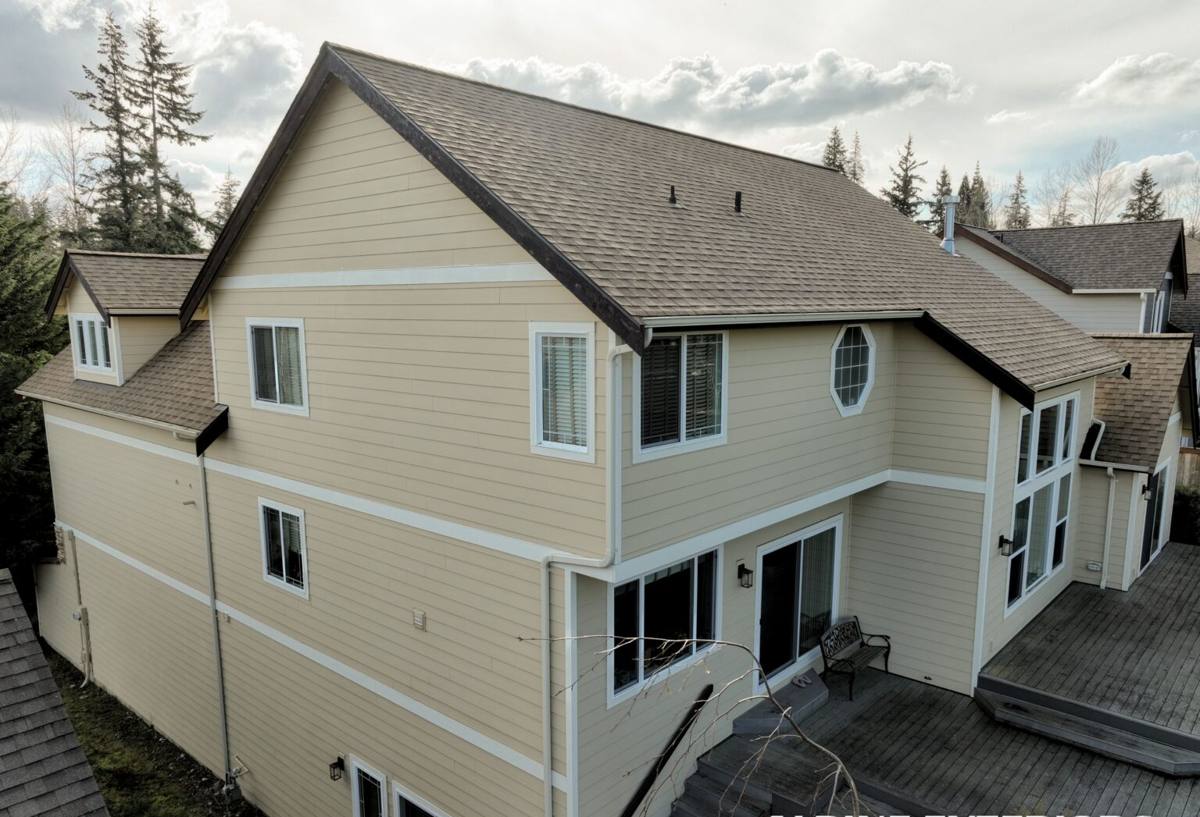
What "Energy-Efficient" Actually Means for a Florida Window
The term gets used loosely in advertising, so it's worth being specific about what actually makes a difference on a Kenneth City home.
Low-E Glass and Coatings
Low-emissivity (Low-E) coatings are a microscopically thin metallic layer applied to the glass that reflects infrared heat back outside while still letting visible light through. In a climate where solar heat gain is the dominant problem for most of the year, the specific Low-E coating and its solar heat gain coefficient (SHGC) matter more here than they would in a heating-dominated climate up north. We look at SHGC ratings first on any Florida job, not just the general U-factor number.
Frame Material and Spacer Systems
Vinyl and fiberglass frames handle Florida's heat-humidity-salt combination better than bare aluminum, which conducts heat directly into the home and corrodes faster near the coast. The spacer system between panes of glass in a dual-pane unit also affects performance — a poor spacer creates a thermal bridge and is often the first place a window starts to fog or fail. We don't treat frame choice as a cosmetic decision; it's a performance and longevity decision.
Impact Resistance and Energy Efficiency Together
Because Pinellas County sits in a wind-borne debris region, a lot of energy-efficient window upgrades in Kenneth City also need to meet impact standards. The good news is that modern impact-rated windows are built with laminated glass and reinforced frames that generally perform just as well, or better, on energy efficiency as non-impact units — you're not choosing between storm protection and a lower power bill, you're usually getting both in the same window.
Signs Your Current Windows Are Working Against You
Homeowners often assume window problems will announce themselves as a draft you can feel with your hand. In practice, the signs are usually quieter than that.
- Rooms near windows feel noticeably hotter than the rest of the house on sunny afternoons
- Condensation or fogging between panes of a dual-pane window, which means the seal has failed
- Aluminum frames that feel hot to the touch on the interior side during summer
- Difficulty opening, closing, or locking windows due to swelling, corrosion, or warping
- Visible daylight or airflow around the frame when the window is closed
- A summer electric bill that keeps climbing even though usage habits haven't changed
- Chalky, pitted, or corroded hardware and tracks, especially on older aluminum units
None of these on their own means every window in the house needs replacing, but a few of them together on an older Kenneth City home is usually a sign the windows are past the point where sealant or minor repair will fix the underlying problem.
Comparing Window Options for Kenneth City Homes
There's no single "best" window for every home, but here's how the common choices stack up for this specific climate and code environment.
| Option | Energy Performance | Storm/Impact Fit | Maintenance |
|---|---|---|---|
| Vinyl, impact-rated dual-pane | Strong — good frame insulation plus Low-E glass | Meets wind-borne debris code when properly rated | Low; doesn't corrode, minimal upkeep |
| Fiberglass, impact-rated dual-pane | Strong, holds shape well in heat so seals last longer | Meets code; often used on larger openings | Low; more dimensionally stable than vinyl in extreme heat |
| Aluminum, dual-pane | Weaker — frame conducts heat unless thermally broken | Can meet code but needs a proper thermal break for efficiency | Moderate to high; corrodes faster near the coast |
| Older single-pane (existing) | Poor — minimal insulation, high solar heat gain | Does not meet current wind-borne debris code on its own | High; frequent hardware and seal issues |
For most Kenneth City homes we work on, impact-rated vinyl or fiberglass with a quality Low-E package ends up being the practical sweet spot — it satisfies code, cuts the solar heat load, and doesn't add the corrosion maintenance that comes with aluminum this close to the Gulf.
How We Approach an Energy-Efficient Window Installation
The window unit itself only accounts for part of the actual performance. Installation quality decides whether that performance shows up in real life or gets undermined by a gap, a bad seal, or flashing that doesn't shed water correctly.
Assessment and Measuring
We start by checking the actual rough openings, not just assuming they match a catalog size — this matters on older Kenneth City homes where openings have sometimes shifted slightly over decades of block settling and prior repair work. We also check the surrounding wall for existing moisture or wood rot around the frame before ordering anything.
Removal and Opening Prep
Old windows come out carefully to avoid damaging the surrounding stucco or block, and we inspect the opening for any hidden water intrusion or deteriorated wood buck before the new unit goes in. Any problems found here get addressed before installation, not covered up and left for later.
Setting, Shimming, and Flashing
The new window is set level, plumb, and square, then shimmed correctly so the frame isn't under stress that can crack a seal early. Flashing is sequenced so water is directed outward at every layer — this step is where a lot of wind-driven rain problems either get solved permanently or get built back into the wall.
Sealing and Finish Work
Interior and exterior sealant, insulation in the gap between frame and rough opening, and finish trim are completed last. A window that's beautifully sealed on the exterior but left with a gap of unfilled space inside the wall cavity will still leak conditioned air and let humidity in — we treat both sides of the installation as equally important.
Permits, Code, and Wind Zone Considerations
Window replacements in Pinellas County are permitted work, and for good reason — this is a wind-borne debris region under the Florida Building Code, which means replacement windows generally need to carry a current impact rating or be paired with approved protection to meet code. Permitting also means the installation gets inspected, which is a real check on whether flashing and anchoring were done correctly, not just a bureaucratic step. We handle the permitting and coordinate the inspection as part of the job rather than leaving it for the homeowner to sort out.
Seminole and the surrounding unincorporated areas of Pinellas County, including Kenneth City, generally follow the same county permitting and inspection process, but the specific wind pressure rating required for a given home depends on that property's exposure and the size and location of the opening — it's not a single blanket number for the whole area. That's determined at the time of assessment, not guessed at ahead of time.
What Drives the Cost
Every quote is specific to the home, but the same handful of factors move the price up or down on most Kenneth City projects.
| Cost Factor | Why It Matters |
|---|---|
| Frame material (vinyl vs. fiberglass vs. aluminum) | Fiberglass generally costs more upfront than vinyl; aluminum varies but needs a thermal break to perform well here |
| Impact rating requirement | Impact-rated glass and reinforced frames cost more than non-impact units of the same size |
| Window size and quantity | Larger openings and whole-house jobs have different per-unit economics than a single small window |
| Condition of the existing opening | Hidden wood rot, block damage, or an out-of-square opening adds prep work before the new window can go in |
| Glass package (Low-E coating, gas fill, tint) | Higher-performance glass packages cost more but do more of the actual energy work |
| Permitting and inspection | Required by code for this region and built into a proper quote, not an optional add-on |
We'd rather walk through these factors on your specific home and give you an honest number than quote a per-window price that doesn't hold up once we see the actual openings.
Why Local Experience in Kenneth City Actually Matters
A window contractor who mostly works inland, or in a different climate zone entirely, can still install a window that looks fine on day one. The difference shows up years later — in whether the flashing detail actually handled a real wind-driven rain event, whether the sealant choice held up to this much UV exposure without cracking, and whether the frame material was right for a home this close to salt air. Crews that work Kenneth City and the rest of the Seminole area regularly have already seen how these specific homes age, which is different from general window installation knowledge.
That local pattern recognition also shows up in smaller ways — knowing which older Kenneth City block homes tend to have non-standard rough openings from past additions, or recognizing early-stage wood buck rot around a window frame before it becomes a bigger repair. None of that replaces a careful assessment on your specific home, but it does mean fewer surprises once the work starts.
Maintaining Your Investment After Installation
New energy-efficient windows still need a small amount of upkeep to perform the way they're rated to, especially in this climate.
- Rinse frames and tracks periodically to clear salt residue and grit before it builds up
- Check and lightly lubricate hardware once or twice a year so locks and rollers keep working smoothly
- Inspect exterior sealant annually for cracking or gaps, particularly after a hard storm season
- Keep weep holes clear so water drains out instead of collecting at the sill
- Watch for condensation between panes, which signals a seal failure worth addressing early rather than later
If your Kenneth City home still has its original windows, or you're just tired of watching the AC bill climb every summer, it's worth having someone take an honest look at what you actually have. We offer free, no-pressure estimates for energy-efficient window projects in Kenneth City and the surrounding Seminole area — use the form below to get a time on the schedule.