 Seminole Siding
 Board & Batten on a Barrier Island: Why It Works in Madeira Beach
Board and batten siding has a clean, vertical-line look that suits a lot of the beach cottages, bungalows, and newer builds around Madeira Beach. Wide boards with narrower battens covering the seams give a home a distinct profile that's different from standard horizontal lap siding, and it holds up well on the kind of narrow-lot, close-to-the-water homes common on this part of Pinellas County's barrier island chain. But "looks right for the area" and "performs right for the area" are two different questions, and on a barrier island the second one matters a lot more.
This page is specifically about board and batten siding installed correctly for Madeira Beach conditions — not board and batten in general. If you're comparing siding options for a home near the Gulf, the material and the installation details below are what actually separate a job that lasts from one that doesn't.
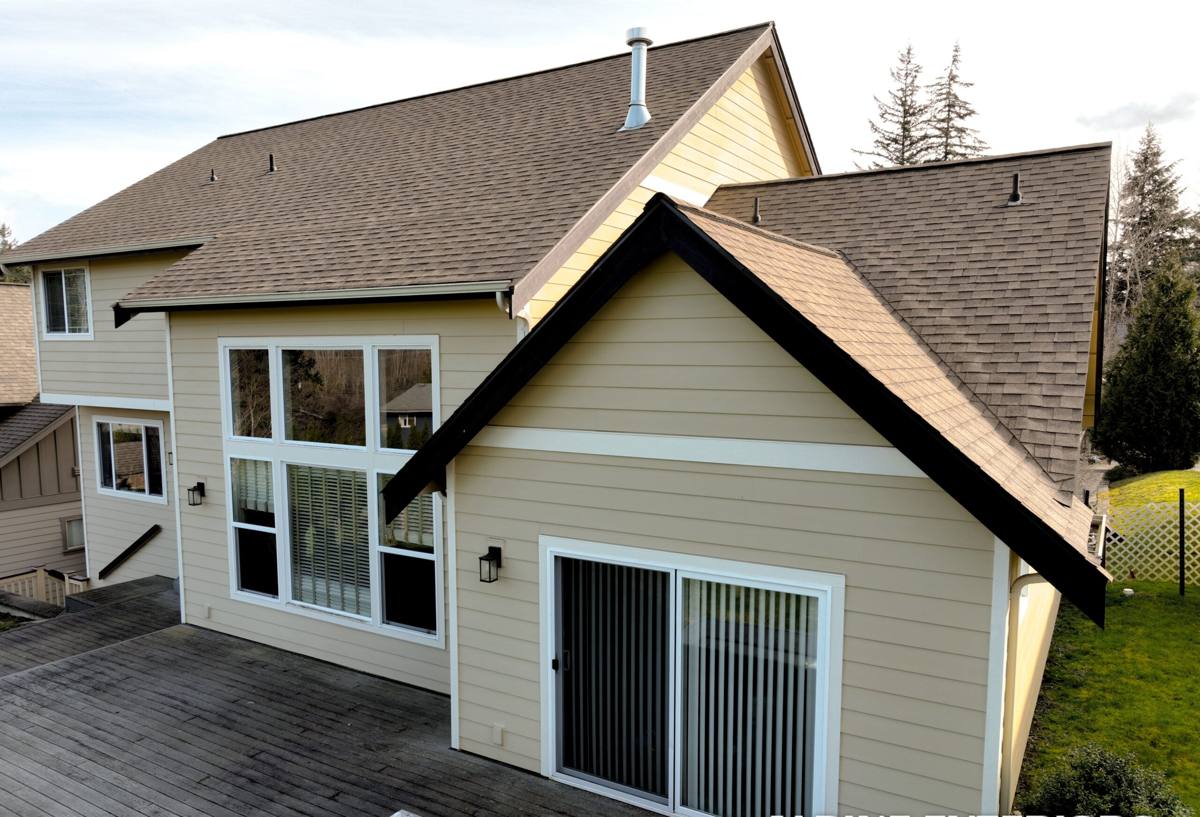
What Madeira Beach's Climate Actually Does to Siding
Homes on this stretch of the Pinellas County coast take on a combination of stresses that inland siding rarely sees at the same intensity:
- Salt air corrosion: Airborne salt settles on every exterior surface and accelerates the breakdown of fasteners, trim, and paint film — especially on homes with direct or near-direct Gulf exposure.
- Wind-driven rain: Storms here don't just drop rain, they drive it sideways into seams, laps, and butt joints. Vertical board and batten has more vertical seams than horizontal lap siding, which raises the stakes on how those seams are detailed and sealed.
- Hurricane-force wind loads: Fastening schedule, panel attachment, and edge distance aren't cosmetic details — they're what keeps siding on the wall during a named storm.
- Year-round, high-angle UV: Florida sun degrades paint film and lesser siding materials faster than in most of the country, which shows up as fading, chalking, and early repainting cycles.
None of this is unique to Madeira Beach specifically, but the combination is more intense here than a few miles inland, simply because there's less buffer between the home and the Gulf.
Board & Batten vs. Other Siding Styles for This Coastline
Board and batten isn't automatically the right call for every home — it's a style decision as much as a performance one. Here's how it stacks up against the other common option in this market when both are installed in James Hardie fiber cement.
| Factor | Board & Batten (vertical) | Lap Siding (horizontal) |
|---|---|---|
| Visual style | Modern, farmhouse, coastal-cottage look | Traditional, most common look on the coast |
| Seam exposure to wind-driven rain | More vertical seams, needs careful batten/flashing detail | Fewer vertical seams; laps shed water by design |
| Common uses | Full facade, gables, accent walls, porch areas | Full facade |
| Maintenance profile (Hardie ColorPlus) | Same low-maintenance factory finish | Same low-maintenance factory finish |
| Installation sensitivity | Higher — batten spacing, fastening, and flashing must be precise | Moderate — long track record, well-understood detailing |
Board and batten isn't a weaker choice than lap siding — it's a different siding profile that demands more precision at installation, particularly around how battens are fastened and how water is directed away from vertical joints. That's the part that determines whether it performs well here long-term.
What James Hardie Board & Batten Brings to the Job
We install James Hardie fiber cement exclusively — we don't offer vinyl board and batten, LP SmartSide, Cemplank, Allura, or primed wood alternatives. That's a deliberate standard, not a sales pitch, and it's worth explaining why for a coastal application specifically:
- Fiber cement doesn't rot or delaminate the way wood-based products can when they take on repeated moisture exposure from wind-driven rain.
- It's non-combustible, which matters on a densely built barrier island where homes sit close together.
- ColorPlus factory-applied finish is baked on under controlled conditions and holds color better under intense, near-constant Florida UV than field-applied paint typically does.
- HZ5 formulation in James Hardie's product line is engineered specifically for higher-moisture climate zones like Florida, which is a real material difference, not just marketing language.
- A strong transferable warranty backs the product when it's installed to Hardie's specifications — which is the operative phrase, because warranty coverage depends on correct installation.
Vinyl board and batten is lighter and cheaper up front, but it's more vulnerable to wind uplift in gusts and can become brittle and discolored faster under sustained UV exposure. Wood-look composites carry their own moisture-management requirements. We standardized on Hardie because, installed correctly, it holds up to this specific climate better than the alternatives we've evaluated — and because a warranty is only as good as the material and installation behind it.
What a Correct Board & Batten Installation Actually Involves
The difference between board and batten siding that performs for decades and siding that causes problems in five years almost always comes down to details most homeowners never see once the job is finished:
Behind the siding
- A continuous weather-resistant barrier (WRB) installed over sound sheathing, with all penetrations properly sealed
- Correct flashing at windows, doors, and any horizontal trim transitions — this is where wind-driven rain finds its way in if it's skipped or rushed
- Kick-out flashing at rooflines that intersect a wall, directing water away from the siding field instead of behind it
The siding itself
- Proper clearance between the bottom of the siding and grade, decking, or roofing to avoid wicking moisture
- Fastener spacing and placement that meets Hardie's published fastening schedule for the wind exposure category of the home's specific location
- Corrosion-resistant fasteners appropriate for coastal, salt-air exposure — this is a detail that gets skipped more often than it should
- Correct expansion gaps at butt joints and trim, since fiber cement moves slightly with temperature and humidity
- Battens fastened independently where Hardie's installation instructions call for it, not simply nailed through both layers in a way that restricts natural movement
None of this is visible once the job is done and the paint looks good. That's exactly why it matters who does the install, not just what material goes on the wall.
Our Process for a Madeira Beach Board & Batten Job
- On-site assessment: We look at the home's current siding and sheathing condition, wind exposure, and any moisture or rot issues before quoting anything.
- Tear-off and substrate check: Removing old siding is when hidden sheathing damage — often from years of minor water intrusion — actually gets found and addressed, not covered over.
- Weather barrier and flashing installation: This step gets done to spec, every time, because it's the layer that does the real work if wind-driven rain gets past the siding face.
- Board and batten installation: Installed to James Hardie's fastening and clearance specifications for this climate zone, not shortcuts based on what's faster.
- Trim, caulking, and finish detailing: Corners, window returns, and transitions get finished so the whole system sheds water the way it's designed to.
- Final walkthrough: We go over the completed job with the homeowner before calling it done.
Signs Your Current Siding Needs Attention
If you're not sure whether it's time to replace siding on a Madeira Beach home, these are worth checking for:
- Soft or spongy spots when you press on the siding, especially near the bottom courses
- Visible gaps, warping, or buckling at seams and corners
- Paint or finish that's peeling, bubbling, or chalking heavily in one season
- Rust streaks below fasteners, which usually means the fasteners themselves are corroding
- Any siding that's been patched repeatedly instead of addressed as a system
Cost Factors for Board & Batten Siding
Every home is different, so a real number only comes from an on-site look — but these are the main factors that move the price on a board and batten project:
| Factor | Why It Matters |
|---|---|
| Sheathing condition | Rot or water damage found during tear-off adds repair scope before new siding goes on |
| Home height and access | Multi-story sections and tight lot lines near neighboring homes affect labor and staging |
| Trim and detail complexity | Gables, dormers, and multiple roof transitions mean more flashing and cut work |
| Batten spacing and pattern | Wider or narrower reveal patterns change material quantities and layout time |
| Existing siding removal | Full tear-off versus a simpler substrate affects labor time |
Why Local Madeira Beach Experience Matters
A siding crew that works this specific stretch of coast regularly knows things a crew unfamiliar with barrier island conditions can miss: how wind exposure changes house to house depending on proximity to the water, what fastener corrosion actually looks like a few years into a Gulf-facing install, and how Pinellas County and local permitting requirements apply to exterior work in this area. That local track record is part of what you're hiring, not just the labor to hang the siding.
If you're weighing board and batten for a home in Madeira Beach, we're happy to take a look and give you a straightforward, no-pressure estimate — no invented urgency, just an honest read on what your home needs.