 Seminole Siding
 Windows Built for a Barrier Island, Not Just a House
Madeira Beach sits right on the Gulf, which means the windows on these homes work harder than windows almost anywhere else in Pinellas County. They take direct salt spray, sustained onshore wind, and UV exposure that doesn't let up for most of the year. When a storm turns into hurricane-force wind, those same windows are the first line of defense against wind-borne debris. A stock window ordered off a shelf rarely fits this environment well — which is why so much of the window work we do in Madeira Beach is custom: sized, rated, and detailed for this specific stretch of coast.
"Custom" here doesn't mean fancy or expensive by default. It means the window is matched to the actual opening, the actual wind exposure, and the actual condition of the wall it's going into — instead of forcing a standard size to fit and papering over the gaps.
What Makes Madeira Beach Homes Different
Homes on and around this part of the coast come in a mix that doesn't match well with big-box, one-size-fits-all window programs:
- Older beach cottages with non-standard, sometimes slightly out-of-square openings built decades before modern window sizing standards existed
- Elevated and stilt-style homes where window openings sit above flood-vent lines and framing details change floor to floor
- Newer or renovated homes with larger glass openings meant to take advantage of water views, which changes the structural and wind-load math
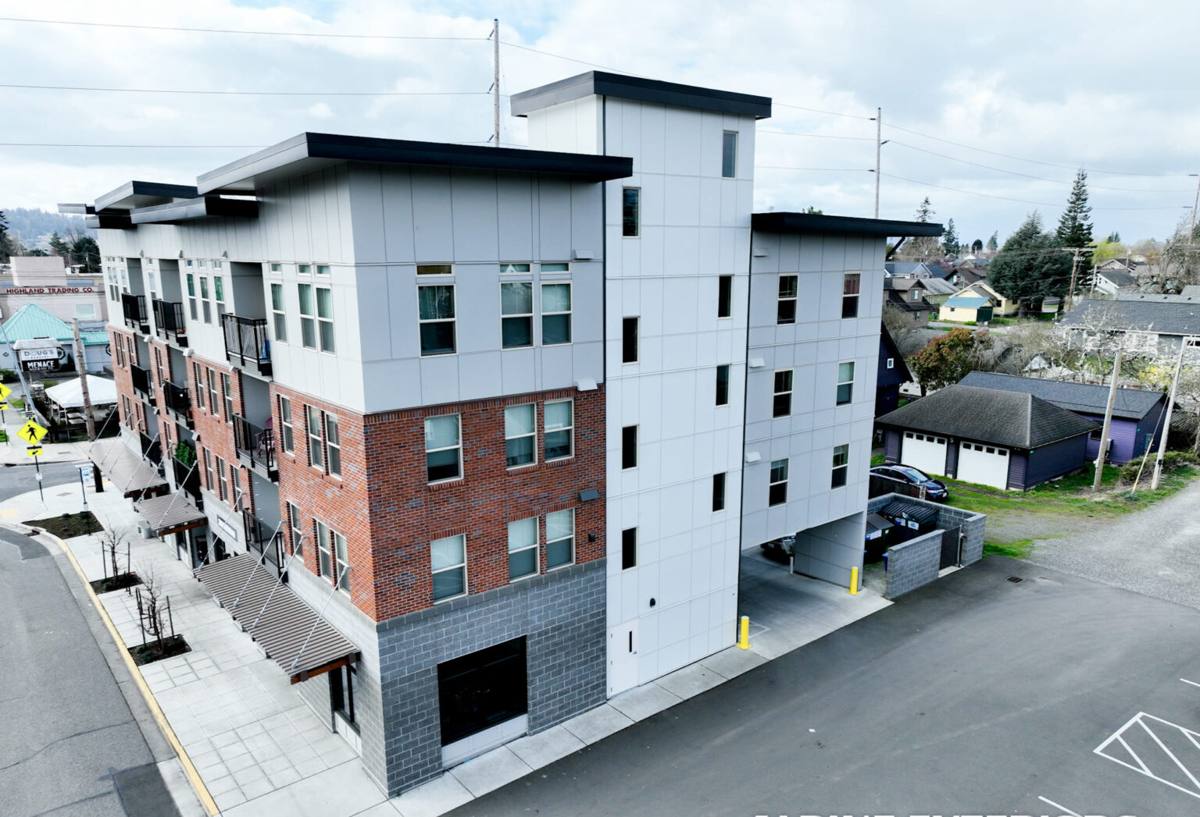
- Condos and multi-family buildings where exterior appearance is governed by an association, on top of county code
Every one of those situations calls for measuring and specifying the window for that opening, not picking the closest catalog size and trimming to fit. That's the core of what custom window work means on this part of the coast.
Florida Building Code and Wind Requirements Here
Pinellas County sits inside Florida's wind-borne debris region, and Madeira Beach's exposure puts it firmly in that zone. In practical terms, that means replacement and new-construction windows generally need to either be impact-rated (glass and frame tested and approved to resist debris impact and the wind pressures behind it) or be paired with code-compliant shutters or panels. The requirement isn't about box-checking — it's the difference between a window that stays in the opening during a wind event and one that doesn't.
Every impact window we install carries a Florida product approval number tied to its design pressure rating, and that rating has to match what the specific wall and opening on your home actually need — not just a generic "hurricane window" label. Openings on a beachfront-facing wall often carry a higher required design pressure than a same-size opening on a sheltered side of the same house. This is part of why we pull permits and inspections on every job instead of treating them as optional.
What a Design Pressure Rating Actually Tells You
The design pressure (DP) rating is a tested number for how much wind load a window assembly can take before failure. It accounts for both the glass and the frame — a strong frame with the wrong glass, or vice versa, still fails the assembly rating. For custom sizes, the rating has to be re-verified for that exact dimension, because a window's structural performance changes as it gets larger. This is one of the most common shortcuts we see skipped on older replacement jobs, and one of the first things we check when we're asked to look at an existing installation.
Material and Frame Choices That Actually Hold Up
Salt air is hard on hardware, fasteners, and finishes, and it doesn't take a direct beachfront lot to feel it — wind carries salt well inland in a town this close to the water. Frame material matters as much as the glass package.
| Frame Material | Salt-Air Performance | Trade-Offs |
|---|---|---|
| Vinyl | Won't corrode; UV-stable formulations hold color well | Limited color/finish range; large custom sizes need reinforced cores for wind load |
| Aluminum | Strong for large openings; needs a marine-grade finish to resist salt pitting | Conducts heat/cold more than vinyl or fiberglass; finish quality varies a lot by manufacturer |
| Fiberglass | Very stable in heat and salt exposure; minimal expansion/contraction | Higher upfront cost; fewer stock custom-size options, longer lead times |
| Wood (clad exterior) | Needs the exterior fully clad and sealed to survive this climate | Highest maintenance if cladding or seals fail; not our default recommendation this close to the Gulf |
Hardware matters just as much as frame material. Standard steel or lower-grade zinc hardware corrodes fast in this air. We spec stainless steel or coated marine-grade hardware on coastal jobs as a standard, not an upgrade — it's a maintenance-burden decision, not a sales one. A window with the right frame and glass but cheap hinges or latches will start showing rust streaks and stiff operation within a couple of seasons out here.
How We Approach a Custom Window Job in Madeira Beach
- On-site assessment: We measure every opening individually — old beach homes rarely have two openings that are perfectly identical — and check the wall assembly behind the trim for rot, prior water intrusion, or non-standard framing.
- Design pressure and code review: We confirm the required rating for that wall's orientation and elevation, and pull the permit before any glass is ordered.
- Product selection: Frame material, glass package (laminated impact glass, low-E coatings, tint), and hardware are chosen for that opening's exposure — not a blanket spec applied to the whole house.
- Removal and prep: Old windows come out carefully to protect surrounding stucco, siding, or trim; the opening is inspected and any damaged framing or sheathing is addressed before the new window goes in.
- Installation and flashing: Proper flashing and sealant details around a coastal window matter more than the window itself — most leaks we get called back to inspect trace to flashing, not glass.
- Inspection and closeout: County inspection is scheduled and passed as part of the job, not left for the homeowner to chase down afterward.
Problems We Commonly Find in Existing Madeira Beach Windows
When we're called out to look at older or poorly installed windows in this area, a handful of issues show up again and again:
- Single-pane or non-rated glass left in place from before current code, often discovered when a homeowner tries to sell or insure the property
- Corroded hardware and frame fasteners from standard-grade steel that was never meant for salt air
- Poor or missing flashing details that let wind-driven rain track behind the frame during storms, even when the glass itself is fine
- Caulk-only "seals" applied over failing flashing instead of a proper flashing repair — a shortcut that fails again within a season or two
- Undersized design pressure ratings on replacement windows installed without pulling a permit
None of these are things you can diagnose by looking at a window from across the room. They usually require pulling trim or looking at the assembly from inside during a real inspection.
What Drives Cost on a Custom Window Job
Costs vary a lot by opening size, glass package, and how much of the surrounding wall needs repair, so we won't quote a number without seeing the job. What we can tell you is what actually moves the price:
| Cost Factor | Why It Matters |
|---|---|
| Opening size and shape | Larger and non-standard shapes cost more to engineer and often need custom design pressure testing documentation |
| Frame material | Vinyl is typically the lowest entry cost; fiberglass and clad-wood run higher |
| Glass package | Laminated impact glass, low-E coatings, and tint options each add cost over base clear impact glass |
| Wall condition | Rot or prior water damage found behind the trim adds repair scope that isn't known until the old window comes out |
| Number of openings | Whole-house jobs typically bring a better per-window cost than one-off replacements |
| Permitting complexity | Condo or HOA review, or flood-zone elevation details, can add time and paperwork cost |
Living With Salt Air: Maintenance That Actually Extends Window Life
Even a properly installed, code-rated window needs some upkeep in a Madeira Beach environment. This is a short list of what we tell homeowners to actually do:
- Rinse frames and hardware with fresh water every few weeks, especially after storms or high onshore wind days, to clear salt buildup before it sits and pits metal
- Check weep holes (the small drainage openings at the bottom of the frame) for debris or sand — blocked weep holes trap water against the frame
- Inspect and re-lubricate hinges, locks, and rollers with a marine-grade lubricant once or twice a year
- Look at exterior caulk lines annually for cracking or separation — small gaps are cheap to reseal and expensive to ignore
- Watch for chalky residue or color fade on vinyl or aluminum, which signals UV breakdown of the finish and is worth having checked
Why a Crew That Already Works This Area Matters
Madeira Beach isn't a generic Pinellas County address — it's a barrier island with its own permitting nuances, tight lot access, seasonal traffic that affects scheduling and material delivery, and, in many cases, an HOA or condo board with its own exterior standards on top of county code. A crew that's already worked here knows the local building department's process, knows what design pressure ratings the different exposures on this island typically require, and isn't learning barrier-island logistics on your job.
We're based out of Seminole and work this stretch of Pinellas County regularly, which means we're not guessing at how this coastline treats a window installation over time — we've seen what holds up and what doesn't, on homes very similar to yours, in this exact climate.
If you're weighing a custom window project for a Madeira Beach home, we're glad to take a look and give you a straight, no-pressure estimate — just fill out the form below and we'll go from there.