 Seminole Siding
 Deck Building on a Barrier Island Isn't the Same Job as Deck Building Inland
Madeira Beach sits on a narrow strip of land between the Gulf of Mexico and the Intracoastal Waterway, and that location changes what a deck has to survive. A deck built the same way you'd build one in a landlocked suburb will not hold up here — not because the carpentry is different, but because the environment attacking it is completely different. Salt-laden air, near-constant UV exposure, wind-driven rain, and the real possibility of hurricane-force wind all work on a deck year-round, not just during storm season.
We build and repair decks for homeowners around Seminole and the Pinellas County beach communities, including Madeira Beach, and the difference between a deck that lasts fifteen-plus years and one that starts failing in five almost always comes down to material choice, fastener selection, and how the structure is tied into the house — not the visible decking boards on top.
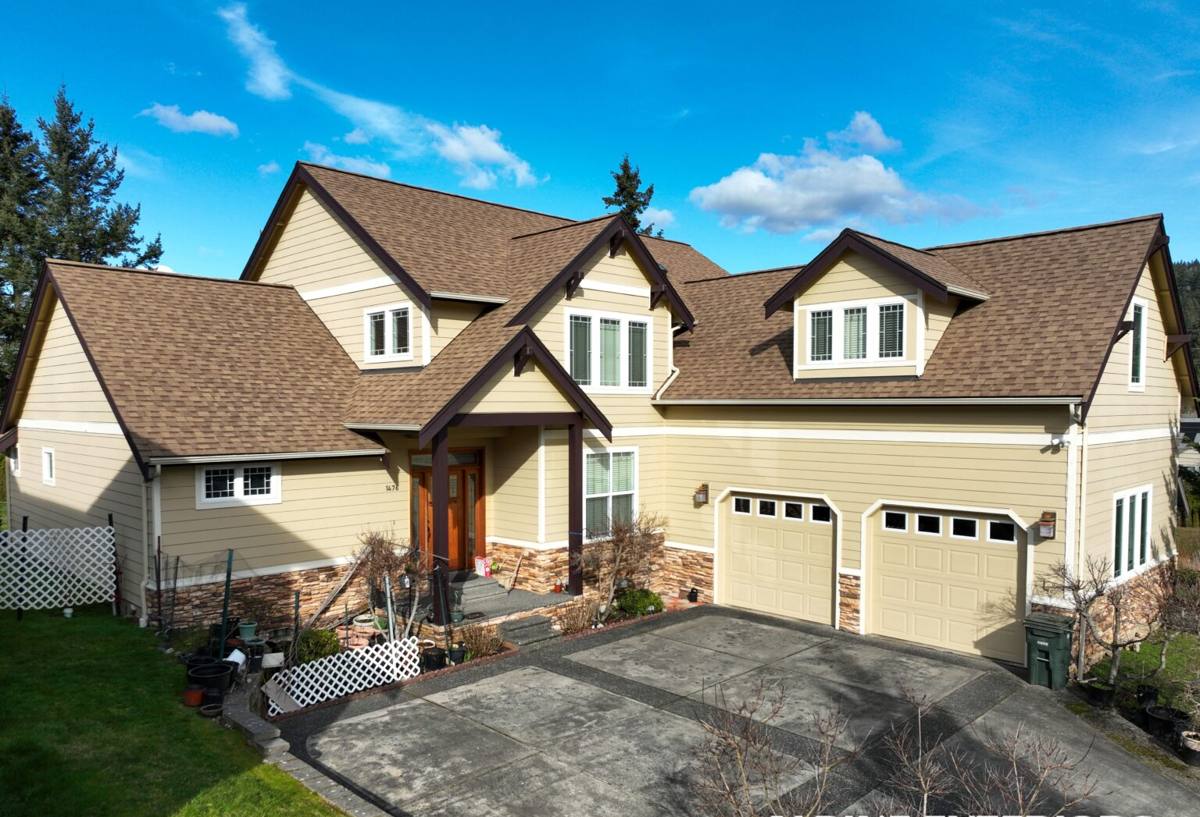
What Salt Air, Sun, and Storm Wind Actually Do to a Deck
Salt Air and Corrosion
Airborne salt doesn't just sit on the surface — it works its way into every joint, screw hole, and metal connector on a deck. Standard hot-dipped galvanized fasteners and connectors that are perfectly fine forty miles inland will corrode noticeably faster this close to the Gulf. Once a fastener starts rusting, it loses holding strength quietly, often years before the failure becomes visible from the top of the deck.
UV Exposure
Florida sun is intense and consistent almost all year. UV breaks down the lignin in wood fibers, causing graying, splintering, and surface checking. It also degrades the color and, over enough years, the surface integrity of lower-grade composite decking that wasn't engineered with UV-stabilized capping.
Wind-Driven Rain
Rain here rarely falls straight down. Gulf storms push rain sideways, which means water finds its way into every gap, seam, and unsealed connection — especially where a deck ledger board attaches to the house. That single connection point is the most common source of hidden rot we find on older decks in this area.
Hurricane-Force Wind
A deck is a horizontal surface attached to a structure, and in a storm it can act like a sail or a lever against its attachment points. Undersized ledger connections, insufficient joist hangers, or footings that don't meet current wind-load standards are the details that separate a deck that survives a major blow from one that doesn't.
Choosing the Right Decking Material for This Environment
There's no single "best" decking material — there's a best material for your budget, your maintenance tolerance, and how close your home sits to the water. Here's how the common options compare for Madeira Beach conditions specifically:
| Material | Salt-Air Performance | Maintenance | Typical Lifespan |
|---|---|---|---|
| Pressure-treated pine | Fair — needs consistent sealing to resist salt and moisture | High — annual cleaning and re-sealing recommended | 10–15 years with upkeep |
| Tropical hardwood (ipe, cumaru) | Very good — naturally dense and rot-resistant | Moderate — periodic oiling to maintain color, though it will silver naturally if left bare | 20-plus years |
| Capped composite | Very good — sealed polymer cap resists salt intrusion and UV fade | Low — soap-and-water cleaning | 25-plus years |
| Uncapped composite (older/budget lines) | Fair — surface can absorb moisture and mildew over time | Moderate | 15–20 years |
| PVC decking | Excellent — fully synthetic, no wood fiber to absorb moisture | Low | 25-plus years |
We don't push one product on every homeowner. A tighter budget and a homeowner willing to do some upkeep can get real value out of pressure-treated lumber if it's sealed properly and re-treated on schedule. A homeowner who wants to close the maintenance loop entirely usually does better with capped composite or PVC, even at a higher upfront cost, because the lifetime cost of sealing and re-staining wood adds up fast this close to the Gulf.
A Note on Uncapped or Budget Composite
Not all composite decking is built the same. Older or lower-tier composite products without a fully sealed polymer cap can absorb moisture at the surface, which leads to mildew staining and, in humid coastal air, a faster fade than the manufacturer's marketing suggests. Our standard is to use fully capped composite or PVC when a homeowner wants a low-maintenance deck — the extra material cost is small compared to the frustration of a deck that stains and fades within a few years.
What's Underneath Matters More Than What's on Top
The decking boards are what you see and walk on, but the framing underneath is what actually determines whether the deck stays safe and level. For Madeira Beach homes, we pay particular attention to:
- Ledger board flashing — the connection where the deck attaches to the house needs proper flashing to keep wind-driven rain from getting behind the siding and rotting the rim joist.
- Fastener grade — stainless steel or coated fasteners rated for coastal/marine exposure, not standard galvanized hardware that's adequate inland but undersized for salt air here.
- Joist hangers and structural connectors — sized and spaced to meet current wind-load requirements, not just "close enough."
- Footing depth and post connections — footings poured to the depth required for local soil and flood conditions, with post bases that resist uplift, not just downward load.
- Ventilation under the deck — proper spacing and airflow so moisture doesn't get trapped against framing members.
A deck can look finished and beautiful with all of this done wrong, and it will look that way right up until it doesn't. Hidden framing failures are the single most common reason we get called out to inspect or rebuild a deck that's only a few years old.
Permits, Flood Zones, and Local Building Requirements
Deck work on the barrier island isn't a handshake project. Depending on the scope, most new decks and significant deck rebuilds require a permit through the applicable local building department — the City of Madeira Beach or Pinellas County, depending on jurisdiction and project scope. Florida's building code sets wind-load and construction standards for coastal areas that are among the strictest in the country, and inspectors here are used to checking coastal-specific details like fastener corrosion resistance and ledger attachment.
Many properties on Madeira Beach also fall within FEMA-mapped flood zones, and it's common to see homes elevated on pilings or raised foundations as a result. A deck attached to an elevated home has different structural and code considerations than a deck built at ground level — post height, bracing, and sometimes breakaway design requirements come into play. We handle the permitting and code research as part of the job so homeowners aren't left trying to interpret flood-zone requirements themselves.
Railings, Stairs, and Safety Details
Florida code sets specific requirements for deck railings and stairs, and these aren't optional details — they're safety-critical and inspected:
- Guardrails required on any deck surface elevated a certain height above grade, generally built to a minimum 36–42 inch height depending on application.
- Baluster spacing limited to prevent a small child from passing through — typically no more than 4 inches between components.
- Stair stringers sized for the actual rise and run of the site, not a generic pre-cut stringer that doesn't match the deck height.
- Handrails on stairs with a graspable profile, required once a stair run exceeds a certain number of risers.
On elevated coastal homes, railing height and stair design can get more involved simply because the drop from deck level to grade is often greater than a typical inland deck. We size these details to the actual structure rather than defaulting to a standard build.
Our Process, Start to Finish
1. On-Site Assessment
We walk the property, look at how the deck will attach to the house, check grade and drainage, and talk through what the homeowner actually wants to use the space for — entertaining, grilling, direct beach/water access, shade needs.
2. Material and Design Walkthrough
We go over decking material options honestly, including trade-offs on maintenance and cost, and design the layout, railing style, and any built-in features around the home and the site.
3. Permitting
We handle the permit application and coordinate any required inspections with the local building department, including flood-zone or elevation considerations where they apply.
4. Framing and Structural Work
Footings, posts, ledger attachment, and joist framing get built to current code wind-load requirements with coastal-rated fasteners and connectors — this is the stage that determines long-term durability, even though it's the least visible part of the finished project.
5. Decking, Railing, and Finish Work
Decking is installed with proper spacing for drainage and material expansion, railings and stairs are set to code, and any finish sealing (for wood species that need it) is applied.
6. Final Walkthrough and Inspection
We walk the finished deck with the homeowner, confirm everything is sound and level, and make sure any required final inspection is scheduled and passed.
What Maintenance Actually Looks Like Here
No deck material on a barrier island is maintenance-free, but the amount of upkeep varies a lot by material:
| Task | Wood Decking | Composite / PVC |
|---|---|---|
| Rinse salt residue | Recommended a few times a year | Recommended a few times a year |
| Seal / stain | Every 1–2 years | Not needed |
| Check fastener corrosion | Annually | Annually |
| Inspect ledger flashing | Annually, especially after storm season | Annually, especially after storm season |
| Check for mildew/algae | Ongoing, more frequent in shaded areas | Ongoing, less frequent with capped products |
The one maintenance step we recommend regardless of material: an annual look at the ledger board connection and the fasteners on the underside of the deck, ideally before hurricane season and again afterward. That's where problems start, and it's the one place most homeowners never think to check.
Why It Matters That We Already Work This Coastline
A deck contractor who mostly builds inland can absolutely frame a deck correctly — but they may not think to spec marine-grade fasteners by default, may not know which flashing details matter most against wind-driven Gulf rain, and may not have a working relationship with the local building department that keeps permitting moving. Working this stretch of Pinellas County regularly means we've already seen how salt air, sun, and storms affect decks here over time, not just on day one.
Before you hire anyone for deck work in Madeira Beach, it's worth asking a few direct questions:
- Do you use coastal-rated (stainless or marine-coated) fasteners and connectors, or standard galvanized hardware?
- Who pulls the permit, and have you worked with this jurisdiction's building department before?
- How do you flash and seal the ledger board connection to the house?
- What's your experience with flood-zone or elevated-home deck attachments, if that applies to my property?
- What does your warranty cover on materials versus labor?
A contractor who answers these plainly and specifically, without dodging into vague reassurance, is one who's actually done this work before in this environment.
Get a Straight Answer on Your Project
Every property is a little different — some are ground-level and straightforward, others involve elevation, flood-zone considerations, or an existing deck that needs to be assessed before we know whether it's a repair or a rebuild. We'll come look at your space, walk you through material and design options honestly, and give you a clear, no-pressure estimate. There's a form below — reach out and we'll get you scheduled.