 Seminole Siding
 Madeira Beach Siding: A Harder Job Than Most of Florida
Siding on a barrier island community like Madeira Beach works harder than siding almost anywhere else in the state. It sits close to the Gulf, which means near-constant salt air settling on every exposed surface, wind-driven rain that gets pushed sideways into seams and trim during summer storms, and intense year-round UV that breaks down paint films and caulk faster than inland exposure ever would. Add hurricane-force wind events that Pinellas County plans for every season, and you have a wall assembly that is under real, sustained stress from multiple directions at once.
Homeowners in Seminole and along the beach communities it borders often assume siding problems are cosmetic — a chalky finish, a hairline crack, a soft spot near a corner trim board. Sometimes that is true. Just as often, what looks minor on the surface is a symptom of something happening behind the panel: fastener corrosion, a compromised weather barrier, or moisture that has been getting in for longer than anyone realized. Repairing siding correctly in this environment means treating every call as a diagnostic job first and a patch job second.
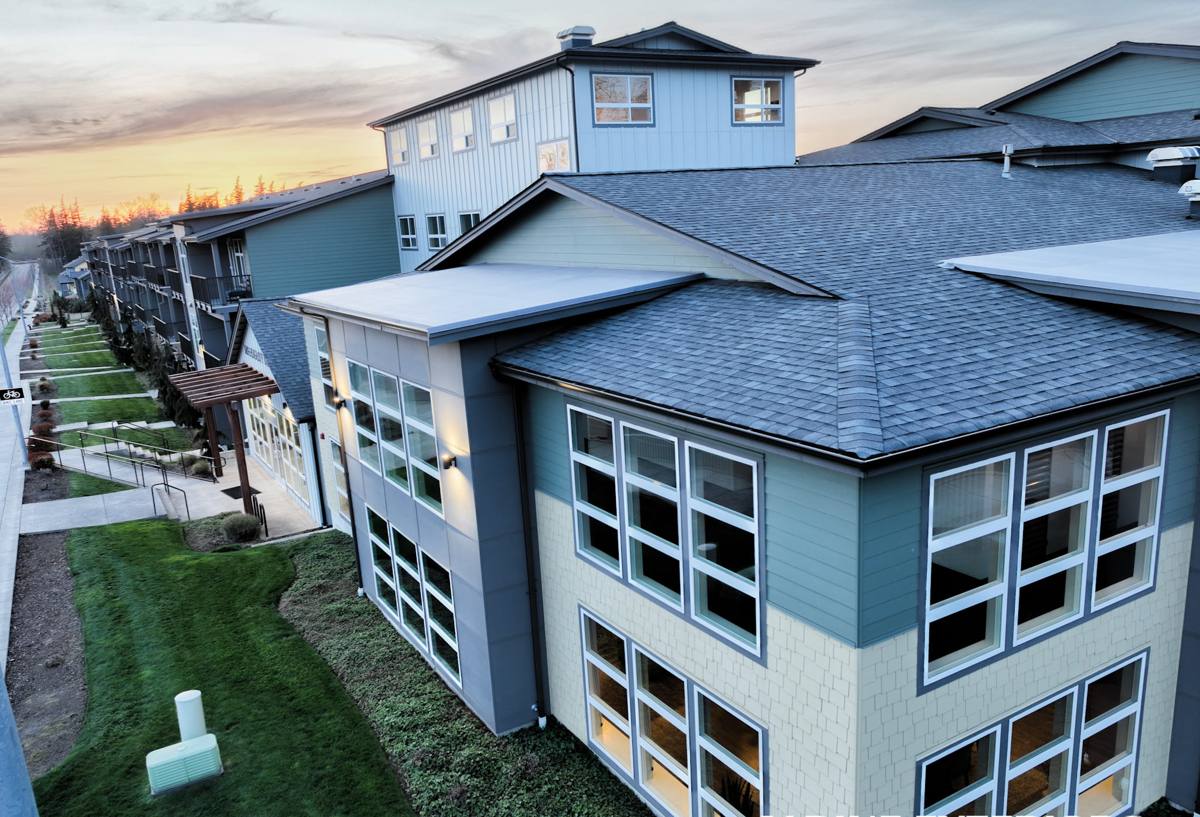
Repair or Replace? Reading the Damage Correctly
Not every damaged section of siding needs to come off the house, and not every crack can be caulked and painted over safely. The right call depends on how far the damage extends, what caused it, and whether the underlying structure is still sound.
When Repair Is the Right Call
Isolated impact damage, a single cracked or missing panel, failed caulk at trim joints, or fastener corrosion caught early are all good candidates for a targeted repair. If the sheathing and weather-resistive barrier behind the siding are dry and intact, replacing the affected sections is usually the honest, cost-effective answer.
When Repair Is Just Delaying Replacement
Widespread buckling, soft or spongy siding across multiple wall sections, staining that keeps returning after cleaning, or damage that shows up in the same areas repeatedly usually points to a moisture problem that has been active for years. Patching those spots without addressing the water path behind them is a short-term fix that costs more in the long run.
- Panels that flex, feel soft, or sound hollow when tapped
- Visible gaps, warping, or buckling along seams
- Paint that is peeling or bubbling rather than just fading
- Rust streaks running down from fastener heads
- Musty odors or visible staining on interior walls near exterior corners
- Caulk that has cracked, shrunk, or pulled away from trim and window edges
The Repair Issues We See Most Often on Madeira Beach Homes
Coastal exposure produces a fairly predictable pattern of siding failures, and knowing what to look for helps homeowners catch problems while they're still small.
Salt-Accelerated Fastener Corrosion
Standard fasteners corrode faster in salt air than almost anywhere else in the country. Rust bleeding around nail or screw heads is one of the earliest visible warning signs of a repair need, and it often shows up years before the siding panel itself fails.
UV and Moisture Cycling Damage
Intense sun breaks down factory and field-applied finishes over time, and the repeated wet-dry cycling from wind-driven rain and salt humidity stresses panel joints and caulked seams. The combination shows up as cracking, chalking, and eventually panel separation at the joints.
Wind-Driven Rain Intrusion at Seams and Trim
Rain that is pushed horizontally during storms finds its way into places vertical rain never would — behind trim boards, at butt joints, and around penetrations like hose bibs and light fixtures. Once water gets behind the cladding, damage develops out of sight.
Storm Impact Damage
Wind-borne debris during tropical weather can crack, chip, or dislodge siding panels. These repairs are usually straightforward if addressed promptly, but delayed repairs let moisture into the opening and turn a simple fix into a larger one.
What a Correct Siding Repair Actually Involves
Diagnose Before You Patch
A repair that only addresses what's visible from the outside is incomplete. Before replacing a damaged section, the sheathing and weather barrier behind it need to be checked for moisture and soundness. If the substrate underneath is compromised, that has to be part of the repair scope — not left in place under a new piece of siding.
Matching Reveal, Profile, and Finish
Patched sections that don't match the surrounding siding's reveal, plank width, or finish stand out and can also create water-shedding problems if the overlap isn't right. Correct repairs match the existing product line and factory finish as closely as possible so the wall keeps functioning as a system, not a patchwork.
Fastener and Flashing Details That Actually Matter in Salt Air
In a coastal environment, fastener choice and flashing details are not places to cut corners. Corrosion-resistant fasteners, correctly lapped house wrap or building paper, and properly installed flashing at seams and penetrations are what keep a repair from becoming a repeat call in two years.
Repair vs. Replacement: Weighing the Real Cost Factors
Homeowners often want a simple answer, but the honest one depends on several factors working together. This is generally how we walk through the decision on site.
| Factor | Favors Repair | Favors Replacement |
|---|---|---|
| Extent of damage | Isolated, one or two wall sections | Spread across multiple elevations |
| Moisture behind cladding | Sheathing dry and sound | Sheathing wet, soft, or already damaged |
| Age of existing siding | Well within expected service life | Near or past its expected lifespan |
| Cause of damage | Single storm event or isolated impact | Long-term moisture or chronic UV breakdown |
| Material condition overall | Rest of the siding is performing well | Fasteners, caulk, and finish failing broadly |
When the answer points toward replacement rather than repair, that's when the conversation shifts to what goes back up — and why we only install James Hardie fiber cement rather than patching a failing system with more of the same material.
Our Process on a Madeira Beach Repair Call
- On-site inspection. We look at the damaged area and the surrounding siding, not just the spot you called about, since coastal damage rarely stays isolated for long.
- Moisture and substrate check. Where damage suggests possible water intrusion, we check the sheathing and weather barrier before quoting a scope of work.
- Honest scope and options. You get a clear explanation of what needs repair, what could wait, and what the underlying cause is — not an upsell.
- The repair itself. Matched materials, corrosion-resistant fasteners, and correct flashing and sealant details, done to hold up to the next storm season, not just look fine on move-out day.
- Cleanup and walkthrough. We leave the site clean and walk you through what was done and what to watch going forward.
Why Local Experience on the Beach Side Matters
A crew that regularly works Madeira Beach and the surrounding Seminole area already understands the wind load and building code requirements that apply to homes this close to the Gulf, and knows what Pinellas County permitting looks for on exterior work. That familiarity matters practically: it means fewer surprises during inspection, and a faster, better-informed diagnosis because we've already seen how salt air, sun, and storm exposure play out on homes just like yours over time. It also means faster response after a named storm, when demand for exterior repair spikes and homeowners who've never had local contractor relationships end up waiting weeks longer than they'd like.
Materials We Use for Repairs — and Why We Don't Patch With Just Anything
Our company installs and repairs with James Hardie fiber cement exclusively. We don't install vinyl, LP SmartSide, primed wood, or other fiber cement brands, and that standard applies to repair work too. When a repair calls for replacing a section of Hardie siding, we match the existing product line and ColorPlus factory finish so the repaired section performs and weathers the same way as the rest of the wall.
When we're called to repair a home clad in a different material and find damage that goes beyond a spot fix — widespread moisture intrusion, failing fasteners across multiple elevations, or a finish that's breaking down broadly — we'll tell you honestly rather than keep patching a system that's reached the end of what patching can fix. In a climate this demanding, we'd rather recommend a full replacement with a non-combustible, climate-engineered product built for coastal exposure than keep a failing material limping along with band-aid repairs.
Keeping Repaired Siding Sound in a Salt-Air Climate
A well-executed repair still needs some basic upkeep to hold up in this environment. A few habits go a long way:
- Rinse siding periodically to clear salt residue and airborne buildup, especially on Gulf-facing walls
- Inspect caulking at trim, windows, and seams once a year and after major storms
- Keep gutters and downspouts clear so water drains away from the wall rather than running down it
- Check fastener heads and trim corners for early rust or lifting after hurricane season
- Address small cracks or gaps promptly, before wind-driven rain finds its way behind the panel
If you're seeing damage, staining, or wear on your siding anywhere in Madeira Beach or the greater Seminole area, we're happy to take a look and give you a straight answer on what it actually needs. Reach out for a free, no-pressure estimate using the form below.