 Seminole Siding
 Redington sits in the barrier-island stretch just west of Seminole, with the Gulf on one side and the Intracoastal on the other, and that location changes what a roof has to survive compared to a home a few miles inland in Pinellas County. Metal roofing has become a common upgrade here for a reason — hurricane-force wind events, some of the most intense year-round UV exposure in the country, wind-driven rain that finds every unsealed seam, and salt air that never lets up all push toward a roofing system built for that combination. But "metal roof" covers a wide range of products, gauges, and installation methods, and on a barrier island exposure, the gap between a correctly installed system and a merely adequate one tends to show up within a few years, not decades.
Why Redington Homes Need a Different Approach to Metal Roofing
A lot of homes in this stretch are still on original or aging asphalt shingle roofs that were never built to handle the wind exposure this close to open water, and that gap becomes obvious after a storm cycle or during an insurance renewal that suddenly asks about wind mitigation and roof age. Homes directly facing the Gulf deal with higher sustained wind loads and more constant salt exposure than a property set back closer to the Intracoastal side, even within the same small area. Pinellas County's wind-borne debris and high-velocity wind provisions apply differently depending on that exposure, which means the attachment method and wind uplift rating a metal roof needs here isn't the same one that would pass for an inland home. None of that makes metal roofing a bad fit — it's routinely the right call in this part of the county — but it does mean the project starts with an honest look at the specific home's exposure, not a generic spec sheet.
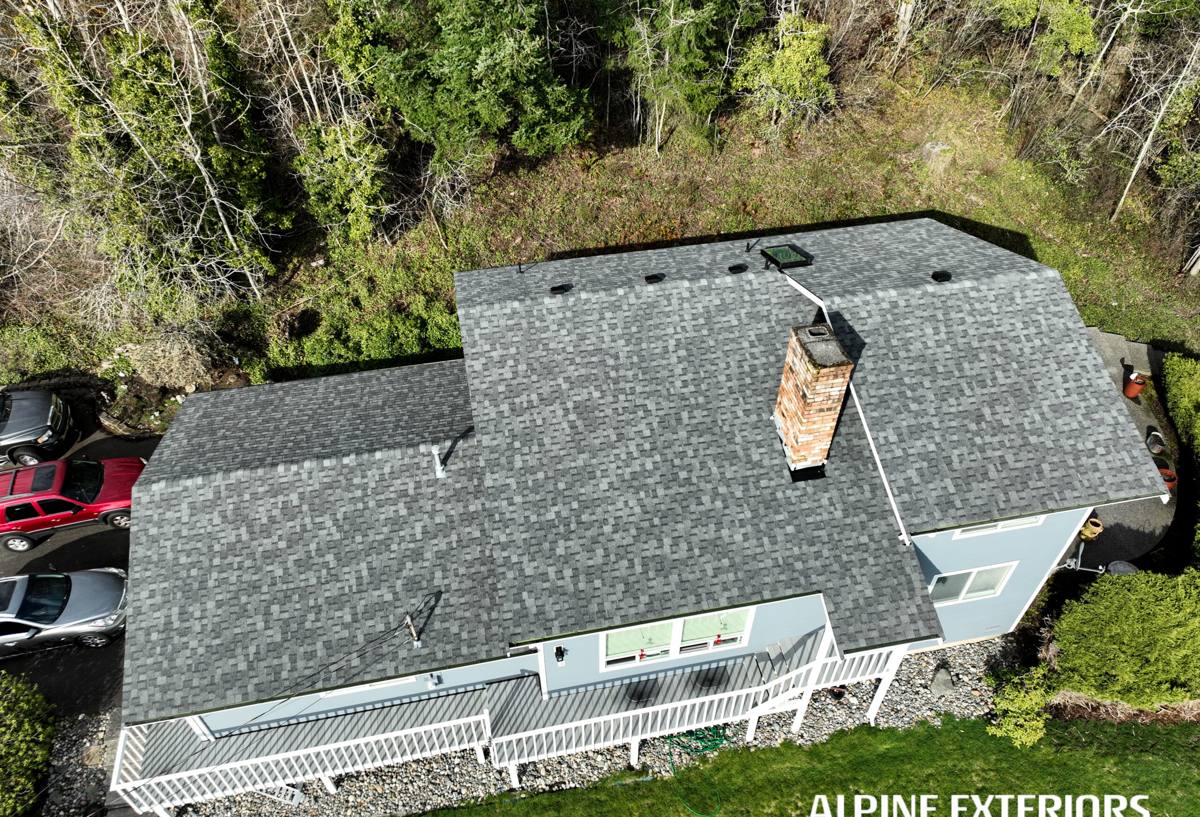
What the Climate Actually Does to a Metal Roof Here
Hurricane-force wind is the big one, and it works on a metal roof differently than people expect. The failure point in high wind usually isn't the panel material giving out — it's uplift at the edges, corners, and ridge, where wind pressure is highest and where fastening or clip spacing has to be tighter than in the field of the roof. A panel system that's correctly rated and installed spreads that load the way it's designed to. One that's under-fastened or installed with the wrong clip spacing for the exposure can start lifting at exactly those pressure points during the first serious storm. Year-round, intense UV is a slower but constant problem: lower-grade finishes chalk and fade, and repeated heating and cooling cycles put stress on panels and fasteners that a better coating and correct installation are built to absorb. Wind-driven rain doesn't fall straight down here — it gets pushed sideways into laps, seams, and penetrations during storms and even routine squalls, which is exactly why seam design and underlayment matter more on this coastline than they would inland. And salt air off the Gulf goes to work on fasteners, flashing, and any exposed metal connection from day one, not just during storms — it's a slow corrosion process that runs constantly on a home this close to the water.
Where Problems Actually Start
On a metal roof, it's rarely the panel field that fails first. It's the connection points — an exposed fastener with a gasket that's dried out and cracked from UV exposure, a pipe boot or wall flashing that was sealed with caulk instead of properly lapped metal, a clip spacing that met code on paper but didn't account for a Gulf-facing corner's actual wind pressure. Those are the spots that decide whether a metal roof is still watertight and holding fasteners tight after a few hurricane seasons, or starting to show rust streaks and small leaks within a couple of years.
Metal Roofing Situations We See in Redington
- Full replacement over aging asphalt shingle roofs — homes reaching the end of shingle life and upgrading to a system rated for this exposure
- Insurance-driven upgrades — homeowners moving to a higher wind rating ahead of renewal or after storm damage prompted a closer look at roof age and condition
- Standing seam replacing older exposed-fastener panels — panel roofs that have started leaking at the screws as gaskets age out
- Additions, porches, and lanai roof sections — new roof area that needs to tie into an existing metal roof cleanly, both structurally and visually
- Heat-rejection upgrades — homes prioritizing a reflective finish to cut cooling costs under direct, near-constant Gulf-front sun
- New construction and full remodels — projects specifying metal from the start because of its wind and salt-air performance over the life of the home
What a Correct Metal Roofing Job Involves
Assessment and Wind Rating
We start by evaluating the home's actual exposure — a Gulf-facing roof plane gets treated differently than a more sheltered elevation on the same house. That assessment sets the wind uplift rating the system needs to meet, which determines panel gauge, clip or fastener spacing, and attachment method, especially at edges, corners, and ridges where pressure is highest.
Deck Prep and Underlayment
Before any panel goes down, the deck itself needs to be sound, and on older Redington homes this step often turns up rot, prior leak damage, or fastener holes from a previous roof that need addressing first. We install a high-temperature, self-adhering synthetic underlayment as a secondary water barrier under the metal — on this coastline, that secondary layer is what keeps wind-driven rain out even if wind ever manages to work water past a seam.
Panel Profile and Fastening Method
Standing seam and exposed-fastener panels both have a place, but they behave very differently in this climate. Standing seam uses concealed clips with no exposed screws, which means nothing on the roof surface is directly exposed to UV breakdown or salt corrosion the way a gasketed screw head is. Exposed-fastener panels cost less up front and remain a reasonable option for some projects, but the gaskets under those screws are a wear item in this climate — they harden and crack under sustained UV faster than they would in a milder region, and that's a maintenance conversation we have honestly rather than skip.
Flashing and Penetration Detailing
Every pipe boot, skylight curb, wall transition, and ridge on a metal roof is a place water can get in if it's not detailed correctly. We lap and fasten flashing as metal-to-metal connections built to shed water, using sealant to back that up rather than relying on caulk alone to do the job. On a roof taking wind-driven rain from multiple directions during a storm, that distinction is what separates a roof that stays dry from one that develops slow leaks at the penetrations first.
Finish Coating and Corrosion Protection
The paint or coating system on a metal roof does real work here, not just cosmetic work. We also make sure dissimilar metals aren't put in direct contact where they don't belong — mixing metals incorrectly at flashing or fastener points can set off galvanic corrosion that has nothing to do with the panel's own coating and everything to do with a detail that was overlooked.
Quick Checklist Before You Hire
- Confirm the wind uplift rating proposed actually matches your home's specific exposure, not a generic coastal number
- Ask whether standing seam or exposed-fastener fits your budget and maintenance expectations, and why
- Get the underlayment spec in writing — it's your backup layer against wind-driven rain
- Ask how penetrations and flashing will be detailed, not just "sealed"
- Confirm the coating system and its expected performance under constant Gulf-front UV and salt exposure
- Check that fasteners, clips, and any flashing metals are compatible to avoid galvanic corrosion
Our Process, Start to Finish
- On-site assessment — we evaluate wind exposure for your specific roof plane and inspect the existing deck and roof condition
- Honest recommendation — panel profile, gauge, and fastening method explained in plain terms, including the wind rating required
- Deck prep — repair or replace any compromised decking and address prior leak or fastener damage before anything new goes down
- Underlayment and dry-in — a self-adhering, high-temperature synthetic underlayment installed as the secondary water barrier
- Panel installation — panels set and fastened to the wind rating your home requires, with tighter attachment at edges, corners, and ridges
- Flashing, penetrations, and trim — every transition detailed and sealed, then finished to match the home
Costs and Trade-Offs: Panel Systems for Coastal Homes
| Factor | What Changes the Price or Performance |
|---|---|
| Panel type | Standing seam costs more up front than exposed-fastener but has no exposed screws for salt air or UV to attack over time |
| Panel material | Aluminum resists corrosion in salt air better than steel, though quality steel with a proper protective coating remains a common, cost-effective choice |
| Coating system | Higher-grade finishes hold color and resist chalking longer under intense, near-constant Florida UV than entry-level coatings |
| Deck condition | Rot or prior leak damage on an older roof adds repair work before panels can go down |
| Wind rating required | Direct Gulf-facing exposures typically need tighter fastening or clip spacing than a more sheltered elevation nearby |
| Roof complexity | Multiple penetrations, valleys, and transitions add labor for correct flashing detail regardless of panel choice |
Aluminum vs. Steel for This Location
Aluminum doesn't rust, which makes it a strong option directly on the Gulf where salt exposure is highest and constant. Quality steel panels with a proper protective coating still perform well in this climate and remain a common, reasonably priced choice, but that coating is doing real work and needs to stay intact — any cut edge, scratch, or fastener puncture that exposes bare steel becomes a spot where corrosion can start. We'll walk through which material makes sense for your specific roof and exposure rather than defaulting to one option for every job.
Why Hiring a Crew That Works Redington Matters
Manufacturer installation guides are written for average conditions, and a barrier-island roof facing the Gulf rarely qualifies as average. A crew that hasn't worked this exposure regularly can get the wind rating right on paper and still miss the details that actually keep a roof watertight — how much tighter the fastening pattern needs to be at a Gulf-facing corner versus what the code minimum allows, which flashing lap actually holds up under wind-driven rain coming in sideways, when a fastener or metal combination needs to change to avoid galvanic corrosion down the road. Those are judgment calls made on the roof, not decisions a spec sheet settles for you.
We work this part of Pinellas County regularly, which means we're not guessing at how a particular roof plane, elevation, or panel system tends to hold up here over time. That experience is what shows up years later, in whether a metal roof is still tight and corrosion-free after several hurricane seasons or starting to show problems at the fasteners and flashing well before it should.
Ready When You Are
If you're weighing a metal roof for a home in Redington — whether you're replacing an aging shingle roof, upgrading ahead of an insurance renewal, or building new — it's worth having someone assess your roof's actual wind exposure before you start comparing panel prices. We offer free, no-pressure estimates for metal roofing projects in Redington and the surrounding Seminole area — use the form below to get a time on the schedule.