 Seminole Siding
 Why Treasure Island Roofs Take More Punishment Than Most
Treasure Island sits right on the Gulf, which means every roof on that barrier island deals with a combination of stresses that inland Pinellas County homes simply don't face to the same degree. Salt-laden air moves through the neighborhood constantly, not just during storms. Summer sun is close to direct overhead for months, pushing surface temperatures on a roof well past what the surrounding air reads. And when a tropical system or a strong seasonal front comes through, wind-driven rain gets forced sideways into every seam, vent boot, and fastener line the roof has. A roofing system that's "fine" three miles inland can fail early out here if it wasn't chosen and installed with the barrier island environment specifically in mind.
Metal roofing, done right, is one of the strongest answers to that environment. Done wrong — wrong alloy, wrong fastener, wrong flashing details — it can corrode or leak faster than a comparable shingle roof would have. The material isn't automatically the advantage; the specification and installation are.
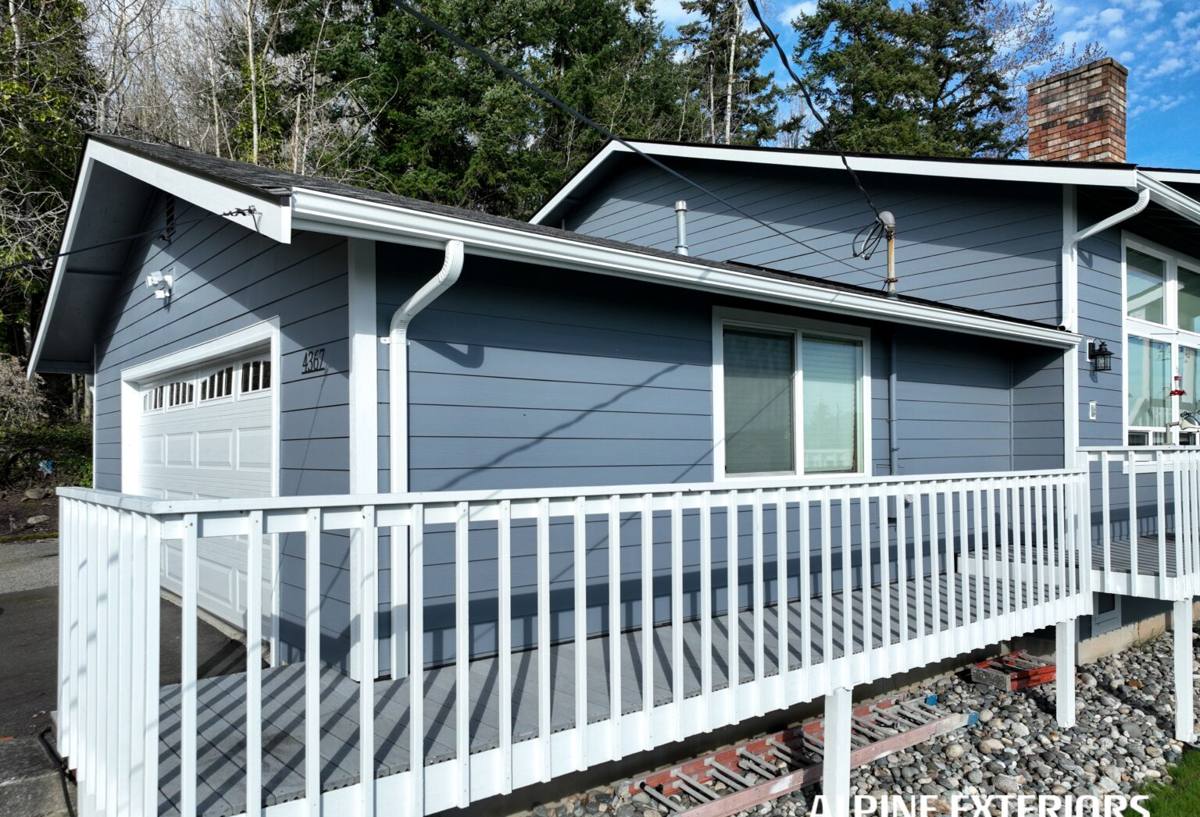
What Correct Metal Roofing Means for a Coastal Pinellas County Home
Alloy Choice Isn't Optional Near the Water
Bare or poorly coated steel panels and steel fasteners are a bad match for a home this close to the Gulf. Salt air accelerates corrosion at cut edges, fastener heads, and any point where the protective coating is thin or scratched during installation. For Treasure Island we lean toward aluminum panels or steel with a marine-grade coating system, paired with fasteners rated for coastal exposure — stainless steel or specifically coated screws, not the standard galvanized fasteners that are adequate a few miles inland. This is a standards decision on our part, not an upsell: the failure mode for the wrong alloy near saltwater is slow, hidden rust that shows up as staining and eventually pinholes years after the labor warranty has expired.
Panel Profile: Standing Seam vs. Exposed Fastener
Both profiles can be built to hold up on a barrier island, but they behave differently over time, which matters more here than inland.
- Standing seam: panels connect through concealed clips with no fastener penetrations through the panel face. Nothing sits exposed to salt air and UV except the seam itself, so it's the more forgiving long-term choice for a coastal roof.
- Exposed fastener panel: lower material and labor cost, but every screw penetration is a future maintenance point. On a barrier island home, those fasteners need periodic inspection and eventual replacement — something we'll walk you through honestly before you choose this route.
Wind, Code, and What Pinellas County Actually Requires
Pinellas County is not in the state's High-Velocity Hurricane Zone, but it's still governed by the Florida Building Code's high-wind provisions, and Treasure Island's exposure category (open, coastal, low elevation) pushes design wind pressures higher than a comparable inland lot. In practice that means:
- Panels and fastening patterns need product approval documentation showing they meet the wind uplift rating required for the specific exposure and building height at that address.
- Permits and inspections aren't a formality here — the local building department is checking fastener spacing, underlayment type, and flashing details specifically because barrier island wind loads are unforgiving of shortcuts.
- A correctly installed, code-documented metal roof can qualify for wind mitigation credits on your homeowner's insurance. We provide the paperwork your insurer needs, but you should confirm your specific discount with your agent — carriers vary.
We pull permits and handle inspections as part of every metal roof job here. A roof that isn't installed to the wind-uplift spec on file isn't just a code risk — it's the first thing to fail in the next named storm.
How the Installation Actually Works
1. Inspection and Deck Assessment
Before any material goes on order, we check the roof deck for soft spots, rot around old penetrations, and whether the existing structure can take the fastening pattern the new system requires. Salt-air homes sometimes have hidden moisture damage around old vent boots or flashing that needs to be addressed before a new roof goes over it.
2. Underlayment
Standard felt underlayment isn't enough for a coastal metal roof. We use a self-adhered, high-temperature underlayment (peel-and-stick) that seals around fastener penetrations and won't degrade under a hot metal panel — a real concern on a west- or south-facing roof plane that bakes all summer.
3. Flashing at Every Transition
Valleys, wall transitions, chimneys, and any roof penetration are where coastal roofs actually fail — not the flat field of panels. We custom-fabricate flashing to fit the specific transition rather than relying on generic trim pieces, and every penetration gets properly sealed and mechanically secured, not just caulked.
4. Panel Installation and Fastening
Panels go down following the fastening pattern the product approval requires for the wind exposure at your address — not a generic spacing. For standing seam, that means the correct clip spacing and seam type for the panel's rated wind uplift. For exposed fastener panels, it means the right screw type, torque, and spacing so the gasket seats correctly without over-driving or under-driving the fastener, both of which cause early leaks.
5. Ridge, Hip, and Ventilation
Ridge and hip caps are fitted and sealed, and we make sure the roof's ventilation path is intact or improved — trapped heat and moisture under a metal roof shortens its life and can void manufacturer warranties on the coating.
Comparing Your Metal Roofing Options
| Factor | Standing Seam | Exposed Fastener Panel |
|---|---|---|
| Upfront cost | Higher | Lower |
| Long-term coastal durability | Higher — no exposed fasteners | Good, but fasteners need periodic inspection/replacement |
| Maintenance | Minimal | Periodic fastener and gasket checks |
| Typical lifespan (aluminum, coastal exposure) | 40+ years with maintenance | 25–35 years with maintenance |
| Best fit | Long-term ownership, minimal upkeep preference | Budget-conscious, willing to schedule fastener checks |
Neither option is wrong — the right choice depends on how long you plan to own the home, your maintenance appetite, and budget. We'll walk through both with real numbers for your roof, not a generic estimate.
Managing Salt-Air Corrosion Over Time
No coating lasts forever in this environment, but the schedule matters. A homeowner who rinses the roof periodically and catches early staining saves thousands compared to one who doesn't notice until a fastener has actually failed. A simple maintenance checklist we give Treasure Island clients:
- Rinse accumulated salt film off the roof surface a few times a year, especially after long dry stretches without rain
- Walk the roofline visually after any major storm and look for lifted panel edges or displaced flashing
- Check exposed fasteners (if you have that panel type) every 1–2 years for early rust bleed at the screw head
- Keep gutters and valleys clear so standing water and debris aren't sitting against the panel finish
- Have a professional inspection after any storm with sustained winds strong enough to lift debris
Cost Factors Homeowners Should Understand
Metal roofing costs more upfront than asphalt shingles, and coastal-spec metal costs more than a standard inland install. What actually drives the number on a Treasure Island quote:
- Panel profile — standing seam runs higher than exposed fastener for material and labor
- Alloy and coating — marine-grade aluminum or coated steel costs more than standard-grade material, and it's the right call this close to the water
- Roof complexity — valleys, multiple planes, and dormers all add flashing labor
- Deck condition — repair work discovered during tear-off adds cost but shouldn't be skipped
- Permitting and wind-uplift documentation — required here, and it's part of doing the job to code, not an add-on
We give straightforward, itemized estimates so you can see exactly what you're paying for and why, rather than a single lump number.
Why Local Experience on Treasure Island Specifically Matters
A crew that mostly works inland jobs may be perfectly competent on a standard roof and still get the coastal details wrong — the wrong fastener grade, underlayment that isn't rated for the heat a metal roof holds in direct barrier-island sun, or flashing that wasn't built for wind-driven rain coming in sideways. Working Treasure Island and the surrounding Seminole and Pinellas County coastline regularly means we already know the exposure category the building department will check against, what tends to fail first on older coastal roofs, and how to sequence a tear-off around a barrier island's tighter access and weather windows. That experience shows up in fewer callbacks and a roof that's actually built for where it sits, not a generic spec pulled off a shelf.
Get a Straightforward Estimate
If you're weighing metal roofing for a Treasure Island home, we're glad to come take a look, walk the roof, and give you an honest, itemized estimate — no pressure, no inflated urgency. Use the form below to get started.