 Seminole Siding
 Why New-Construction Windows Are a Different Job in Largo
"New-construction windows" is a specific term, and it matters more in Largo than in most parts of the country. These are windows installed with a nailing fin (sometimes called a flange) directly into the rough opening framing before the exterior wall covering — siding, stucco, or brick veneer — goes on. That's different from a replacement window, which gets inserted into an existing frame without disturbing the surrounding wall. If you're building a new home, adding a room, replacing a whole wall of openings, or doing a gut renovation down to the studs in Largo or elsewhere in Seminole, this is almost always the correct window type — done right, it becomes part of the structure's weather barrier, not just a hole with glass in it.
In Pinellas County, that weather barrier has to hold up against hurricane-force wind, wind-driven rain that gets pushed sideways into wall assemblies, intense year-round UV that degrades cheap sealants and vinyl, and salt air drifting in off the Gulf that corrodes hardware and fasteners faster than it would inland. A new-construction window installed loosely or with the wrong flashing sequence won't fail on a calm day. It fails during the first real storm, and by then the damage is often already inside the wall.
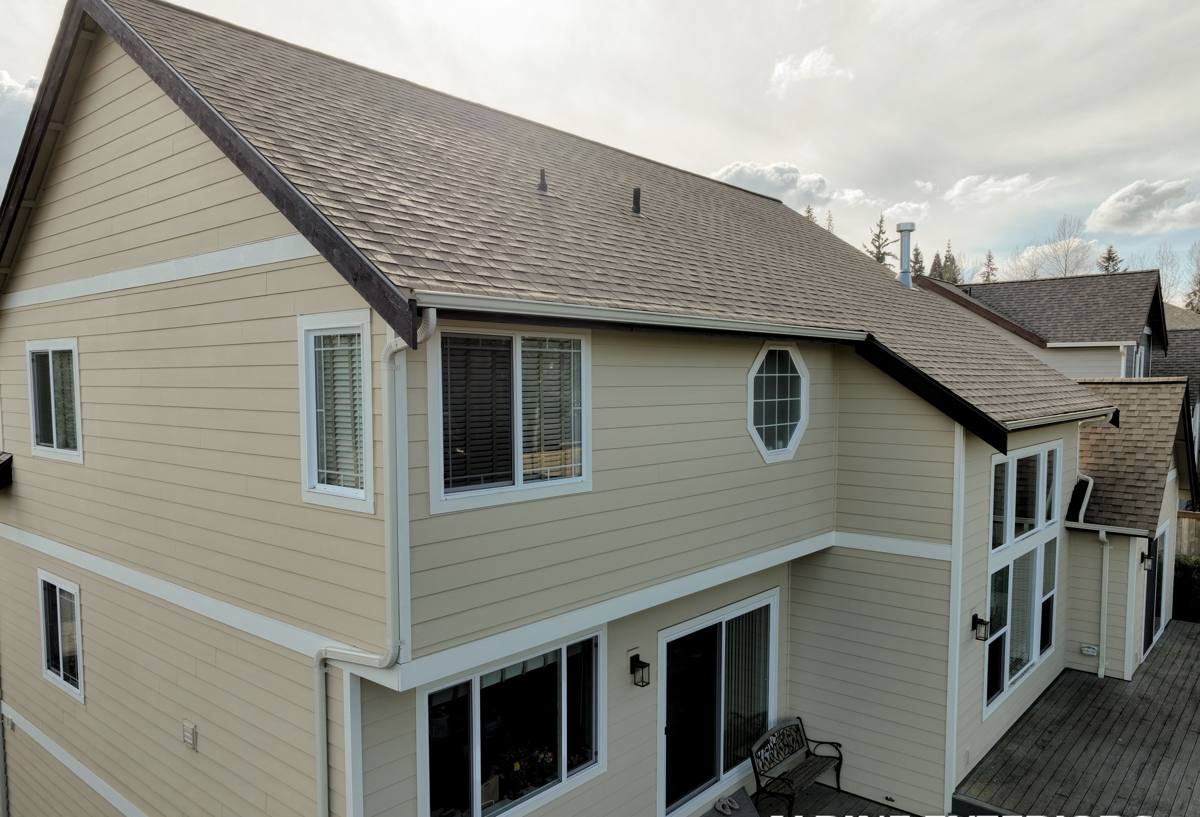
New-Construction vs. Replacement Windows
Homeowners sometimes ask for "replacement windows" when what the project actually calls for is new-construction units, or vice versa. Getting this wrong costs time and money once the wrong product shows up on site. Here's the practical difference:
| Factor | New-Construction Window | Replacement Window |
|---|---|---|
| Installation method | Nailing fin fastened to framing; wall covering installed over/around it | Inserted into existing frame; no fin, no wall disturbance |
| Best used for | New builds, additions, full wall reconstruction, gut renovations | Swapping out an old window while keeping the existing frame and siding intact |
| Water management | Integrates with house wrap/flashing as a single weatherproofing system | Relies on sealant and the condition of the existing frame |
| Structural integration | Becomes part of the wall assembly during framing | Independent of the wall assembly |
For most projects in Largo where walls are open or being built new, we recommend new-construction units without hesitation — the flashing integration is simply more reliable long-term than working around an existing frame.
Florida Building Code and Wind Requirements in Pinellas County
Pinellas County sits along the coast, which puts parts of it in the wind-borne debris region under the Florida Building Code. Whether your specific lot falls inside that boundary affects what your windows are legally required to do — and it's worth confirming during design, not after the windows are ordered. In general terms, homes in this region need either impact-rated glazing or approved protective coverings, and every window installed has to carry a valid Florida Product Approval or Miami-Dade Notice of Acceptance (NOA) rated for the design pressures your specific elevation and wall height require.
Design pressure isn't a single number for the whole county — it depends on the building's height, its exposure category, and where on the structure the window sits (corner openings typically see higher pressures than a window in the middle of a wall). A correctly engineered set of new-construction windows for a Largo home comes with pressure ratings matched to that specific job, not a generic "hurricane window" label pulled off a shelf. We pull the local wind design data for your address and match window ratings to it before anything is ordered.
What This Means in Practice
- Every window on the job should have a documented NOA or Florida Product Approval number, available for the permit file
- Ratings need to match the design pressures for that wall's height and exposure, not just meet a minimum "hurricane zone" label
- Permit inspections in Pinellas County will check window labels and installation against the approved plans — installed-but-uninspected windows are a real liability if you ever sell the home
- Impact-rated glass and proper anchoring reduce (not eliminate) wind pressure and debris risk — they're an engineered system, not a guarantee
What a Correct Installation Actually Involves
The window itself only does part of the job. Most window failures we're called out to inspect in this area trace back to the installation, not the product — a flashing step skipped, a sealant used past its recommended temperature range, or fasteners spaced too far apart for the design pressure rating. New-construction installation is sequential, and skipping steps out of order defeats the whole system even if every individual product used is high quality.
The Sequence That Actually Keeps Water Out
- Rough opening is checked for square, level, and correct dimensions before the window ever arrives on site
- Sill pan flashing is installed first, sloped to drain any water that gets past the window back to the outside, not into the wall cavity
- The window is set, shimmed level and plumb, and fastened through the nailing fin per the manufacturer's schedule — spacing and fastener type matter for meeting the tested design pressure
- Jamb and head flashing goes over the fin in the correct shingle-lap order so water sheds downward and outward at every layer
- House wrap or weather-resistant barrier is integrated and taped over the flashing, restoring a continuous drainage plane
- Exterior sealant is applied at specified joints only — sealing everything, including the weep points at the sill, traps water instead of releasing it
- Interior gaps are insulated (typically low-expansion foam) without over-packing, which can bow the frame and cause the sash to bind
That sill pan and shingle-lap flashing sequence is the single biggest factor in whether a window leaks during wind-driven rain, and it's also the step that's easiest to rush on a busy job site. We don't skip it.
Frame and Glass Options for Largo's Climate
Frame material and glass package both affect how a window holds up to UV, humidity, and salt air over the long run — not just how it performs on installation day.
| Frame Material | Strengths in This Climate | Trade-Offs |
|---|---|---|
| Vinyl | Won't corrode in salt air; no repainting; good value | Can expand/contract with heat; quality varies a lot by manufacturer |
| Aluminum | Strong, slim sightlines, handles high wind loads well | Conducts heat; needs a quality thermal break to avoid condensation issues |
| Fiberglass | Very stable dimensionally, low maintenance, strong | Higher upfront cost than vinyl |
On glass, impact-rated laminated glass is standard for most Pinellas County new construction near the coast, and we install it as the default recommendation for Largo projects. Beyond wind and impact resistance, laminated glass also cuts down UV transmission and outside noise — a real benefit on a lot near busier roads. Low-E coatings help manage the heat gain that comes with year-round Florida sun; we'll walk through the specific glass package options for your project's orientation and exposure during the estimate.
Our Process for Largo Projects
We treat new-construction window installation as a coordination job as much as a hands-on one, since it sits at the intersection of framing, weatherproofing, and exterior finish work.
- Site visit and rough opening review — confirming openings are framed to spec before windows are ordered avoids costly delays later
- Wind load and code check — matching product approval and design pressure ratings to your specific address and elevation
- Material selection — reviewing frame material, glass package, and finish options against budget and the home's design
- Coordinated scheduling — timing installation with your framer, siding crew, or stucco applicator so flashing and wall covering integrate correctly, with no gaps left exposed to weather
- Installation following manufacturer specifications — sill pan flashing, correct fastening schedule, shingle-lap sequencing, and sealant only where it belongs
- Final walkthrough — checking operation, sealant lines, and flashing coverage before we consider the job done, and before your permit inspection
A Practical Checklist Before You Sign a Contract
- Does the quote list specific product approval (NOA/FPA) numbers for the windows proposed, or just a brand name?
- Are design pressure ratings specified per opening, matched to your home's height and exposure?
- Does the written scope mention sill pan flashing and shingle-lap sequencing, or just "install windows"?
- Who is responsible for coordinating timing with your siding or stucco crew — you, or the window contractor?
- Is the installer pulling the required permit, or expecting you to?
Why Local Experience in Largo Matters
Wind design pressures, flashing details, and permitting requirements are not the same in Largo as they are for a home 40 miles inland. A crew that regularly works Pinellas County jobs already knows the local building department's inspection expectations, has relationships with local suppliers who stock the right product-approved windows, and has seen firsthand how houses in this specific climate age — where salt air corrodes fasteners first, which sealants actually hold up in this humidity and UV load, and which framing quirks show up in Largo's mix of older and newer construction. That local pattern recognition is hard to get from a crew that installs windows all over the state and passes through once.
Maintenance That Actually Extends Window Life Here
Even a correctly installed window benefits from basic upkeep in this environment. Salt air accelerates corrosion on hardware and screens faster than most manufacturers' national warranty language accounts for, and intense UV breaks down exterior sealant over time regardless of brand.
- Rinse frames and tracks periodically to clear salt residue, especially on homes closer to the water
- Inspect exterior sealant lines yearly for cracking or separation, particularly after a hard summer storm season
- Keep weep holes at the sill clear of debris so water can drain as designed
- Operate hardware regularly — hinges and locks that sit unused tend to seize faster in humid, salty air
Cost Factors for New-Construction Window Projects
Pricing on new-construction window projects varies with the number and size of openings, frame material, glass package, and how much coordination the job requires with other trades. Rather than quote a number that won't reflect your project, here's what actually moves the price:
| Factor | Effect on Cost |
|---|---|
| Frame material (vinyl vs. fiberglass vs. aluminum) | Fiberglass and quality aluminum typically cost more upfront than vinyl |
| Glass package (standard impact vs. Low-E impact-laminated) | Upgraded glass coatings add cost but improve energy performance |
| Window size and configuration | Large openings, bay windows, or custom shapes cost more than standard sizes |
| Design pressure rating required | Higher-rated assemblies for corner or high-exposure openings cost more than standard-rated units |
| Coordination complexity | Jobs requiring tight scheduling with framers or stucco crews may carry added coordination cost |
We'll walk through these factors specifically for your Largo project during the estimate, with real numbers based on your openings — not a generic per-window average that doesn't reflect your home.
If you're building, adding on, or planning a full window replacement that calls for new-construction units in Largo, we're happy to take a look and talk through what your project actually needs. Reach out for a free, no-pressure estimate using the form below.