 Seminole Siding
 Building on a Barrier Island Changes the Window Job
Redington Shores sits on a narrow strip of sand between the Gulf of Mexico and the Intracoastal Waterway, and that location changes what "correctly installed windows" means. A window opening on a barrier island lot takes a different beating than the same opening a few miles inland in Seminole: more direct exposure to salt-laden air, higher sustained wind speeds off open water, and rain that doesn't just fall — it drives sideways under pressure during storms. When we're framing a new build or a major addition out here, we're not installing windows into an existing wall and hoping the old flashing holds. We're building the water and wind management system into the wall from the rough opening out, which is the whole point of doing it at new-construction stage instead of retrofitting later.
Pinellas County construction has to answer to all of that at once: Gulf-front wind exposure, UV load that runs nearly year-round instead of seasonally, and salt air that accelerates corrosion on hardware and fasteners that would last decades somewhere drier. A window package that isn't specified and installed with that combination in mind will show it in five to ten years — failed seals, corroded hardware, water staining at the corners — long before it should.
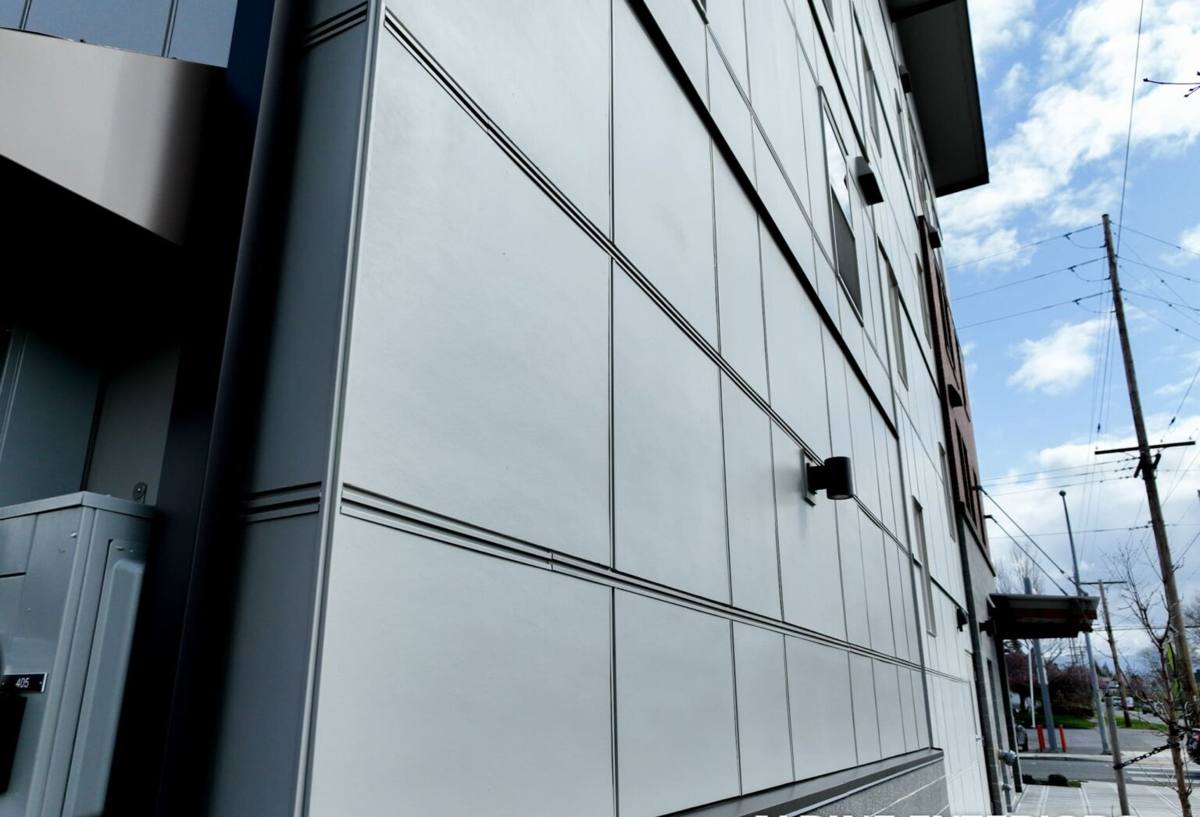
New-Construction Windows vs. Replacement: Why the Distinction Matters
"New-construction" windows aren't a product tier — they're a window with a nailing fin (also called a flange), designed to be installed into a framed, unfinished rough opening before exterior finishes go on. That's different from a "replacement" or "pocket" window, which gets inserted into an existing frame with the old exterior finish already in place. On a Redington Shores new build or a gut-to-the-studs renovation, you almost always want nail-fin, new-construction units, because it lets us:
- Flash the opening in the correct shingle-lap sequence — sill, jambs, then head — so water sheds outward at every layer
- Tie the window's water barrier directly into the wall's weather-resistive barrier instead of patching around an existing finish
- Fasten through the fin into structural framing at the manufacturer's specified pattern, which is what the window's wind-load rating actually depends on
- Avoid the compromises that come with fitting a window into an opening that was never built for it
Skipping this and using a retrofit-style unit on new construction — usually to save a step — is one of the more common ways a brand-new house ends up with a window leak inside the first few storm seasons.
Florida Building Code and Product Approval — the Baseline, Not the Upgrade
Pinellas County is inside Florida's wind-borne debris region, which means new windows here have to meet Florida Building Code wind-load and impact criteria, not whatever a manufacturer happens to offer. Every window we install on a permitted job carries a Florida product approval number tied to a tested design pressure (DP) rating, and that rating has to match or exceed what the engineer or code calls for at that specific wall location — corner openings, for instance, usually see higher wind pressure than a window in the middle of a wall and may need a higher-rated unit. This isn't optional paperwork; it's what the building inspector checks against the permit before the job gets signed off, and it's what protects the house — and the insurance rate on it — for the life of the window.
We work from the approved plans and the local wind speed and exposure category for the lot, confirm the product approval documentation matches what's actually being installed, and keep that paper trail so it's there if it's ever needed for an insurance inspection or a future sale.
Impact-Rated Glass vs. Shutter Systems
New builds in this area generally take one of two paths to meet the wind-borne debris requirement: impact-rated glass, or standard glass paired with code-approved shutters or panels. Both can satisfy code. They're not equivalent in daily life.
| Factor | Impact-Rated Windows | Standard Glass + Shutters |
|---|---|---|
| Storm prep | None — always ready | Panels/shutters must be deployed before each storm |
| Daily appearance | Clear view year-round | Unobstructed until shutters go up |
| Upfront cost | Higher per window | Lower window cost, added shutter cost |
| UV/noise performance | Laminated glass cuts UV and street/wind noise | No added benefit until shuttered |
| Long-term upkeep | Glass and seals to maintain | Tracks, hardware, and panels to maintain |
For a barrier-island home where nobody wants to be putting up panels every time a tropical system tracks through the Gulf, most owners lean impact glass. It costs more per opening, but it's a decision worth making with actual numbers for the specific window sizes on the job, not a blanket assumption.
Framing Material
Vinyl, aluminum, and fiberglass frames all show up in new construction here, and each has real trade-offs in this climate rather than one obvious winner. Aluminum handles high wind-load ratings well but conducts heat and can pit over time in salt air if it isn't a marine-grade finish. Vinyl won't corrode but can expand and contract more with the area's heat swings, which matters for seal longevity. Fiberglass splits the difference at a higher price point. We'll walk through which makes sense for the specific openings and budget on the plans rather than defaulting to one material across the board.
What Correct Installation Actually Looks Like
The window unit itself gets most of the attention, but on a coastal new-construction job, the installation details are what actually determine whether water stays out. The parts that matter most, in order:
- Rough opening prep — squared, correctly sized, and sheathed before the window ever shows up on site
- Sill pan flashing — a sloped, sealed pan under the opening so any water that gets past the frame drains back outside instead of into the wall cavity
- Shingle-lap flashing sequence — sill, then jambs, then head, each layer overlapping the one below so water always sheds down and out
- Fastening pattern — through the nailing fin into structural framing exactly per the manufacturer's tested schedule, since that pattern is part of what the wind-load rating is based on
- Sealant at the right layers only — sealing everything, including the bottom of the sill, traps water inside instead of letting it drain; a correct install leaves a deliberate weep path
- Integration with the weather-resistive barrier — the window's flashing has to tie into the house wrap or barrier system correctly, not just get taped over it
Every one of these steps gets covered by siding or stucco once the exterior finish goes on, which is exactly why it has to be right the first time. Nobody's opening the wall back up to check the flashing on a finished home.
How We Work Alongside Builders and Trades in the Area
Most of our new-construction window jobs come in as part of a larger build — coordinating with a general contractor, the framer, and the crew doing exterior finish. On Redington Shores and the surrounding Seminole-area barrier communities, that usually means:
- Reviewing the window schedule against the approved plans before ordering, catching size or rating mismatches early instead of at delivery
- Timing installation to the framing schedule so openings are ready and dried-in promptly, reducing the window the wall cavity is exposed to weather
- Flashing and sealing to a standard that will pass inspection the first time, since re-inspections cost the whole job schedule, not just ours
- Keeping product approval documentation organized and handed off for the permit file
We handle Pinellas County and Town of Redington Shores permitting requirements as a routine part of the job, not a special request, because we're already familiar with what local inspectors here are looking for.
Cost Factors on a New-Construction Window Package
Every job is different, but the line items that actually move the price on a Redington Shores build are consistent:
| Factor | Why It Affects Cost |
|---|---|
| Impact glass vs. standard + shutters | Impact glass has a higher per-unit cost but no separate shutter system to buy and install |
| Design pressure rating required | Higher-DP units for corner or high-exposure openings cost more than standard-rated units |
| Frame material | Aluminum, vinyl, and fiberglass sit at different price points and performance trade-offs |
| Window count and size mix | Large openings and specialty shapes (picture windows, corner units) cost more per square foot than standard sizes |
| Flashing and sill-pan complexity | Stucco walls, masonry openings, and unusual sill details take more labor to flash correctly |
We'll give a real number once we see the plans and the actual window schedule — broad estimates without that are just guesses, and this isn't a job where guessing pays off.
Living With Coastal Windows After the Build
A properly installed, code-rated window still needs basic upkeep in this environment. Simple habits that extend the life of a new-construction window package on the coast:
- Rinse frames and hardware periodically to clear salt buildup, especially on units facing the Gulf side
- Check weep holes at the sill aren't blocked by sand, debris, or paint overspray
- Inspect exterior sealant lines annually for cracking or separation, and have any gaps addressed before they let water in
- Operate hardware (locks, cranks, rollers) periodically even on windows that stay closed most of the year, so moving parts don't seize from salt exposure
- Have panels or shutter tracks (if used) checked before hurricane season, not during it
None of this replaces a correct installation — it just protects the investment once the install is done right.
Why Hire a Crew That Already Works This Area
A window installer who mostly works inland jobs isn't wrong about windows in general, but they're often working out corner-case decisions — flashing details for barrier-island exposure, which DP ratings actually apply, how local inspectors want documentation presented — for the first time on your project. A crew that already installs regularly in Redington Shores and the wider Seminole area has already made those calls, knows what Pinellas County inspectors expect to see, and isn't learning the coastal-specific parts of the job on your house. That familiarity shows up less in the sales conversation and more in the parts you can't see once the walls are closed up — which, on this job, is most of what actually determines whether the windows perform.
If you're planning a new build or a full window package for a Redington Shores project, we're happy to walk the plans with you and put together a straightforward, no-pressure estimate — just fill out the form below.