 Seminole Siding
 Why Belleair Beach Roofs Wear Out Faster Than Inland Homes
Belleair Beach sits right on the Gulf, and that barrier island location changes what a roof has to survive day in and day out, not just during storm season. Hurricane-force wind gusts, sustained UV exposure almost every day of the year, wind-driven rain that finds its way under improperly sealed edges, and a steady dose of salt air all work on a roof at once, not one at a time. A shingle or panel that would last 25 years a few miles inland can show granule loss, fastener corrosion, or flashing failure well ahead of schedule out here. Pinellas County building requirements reflect that reality, but the code is only a floor; how the roof is actually built above that floor is what determines whether it holds up through the next tropical storm season or the one after that.
A new roof installation in this area isn't just putting shingles on a house. It's a system: decking, underlayment, fastening pattern, flashing, and ventilation all have to work together to resist wind uplift and keep salt-laden moisture out of the structure. Cutting a corner on any one of those pieces shows up later as a leak, a lifted shingle line, or a rusted fastener bleeding through the finish.
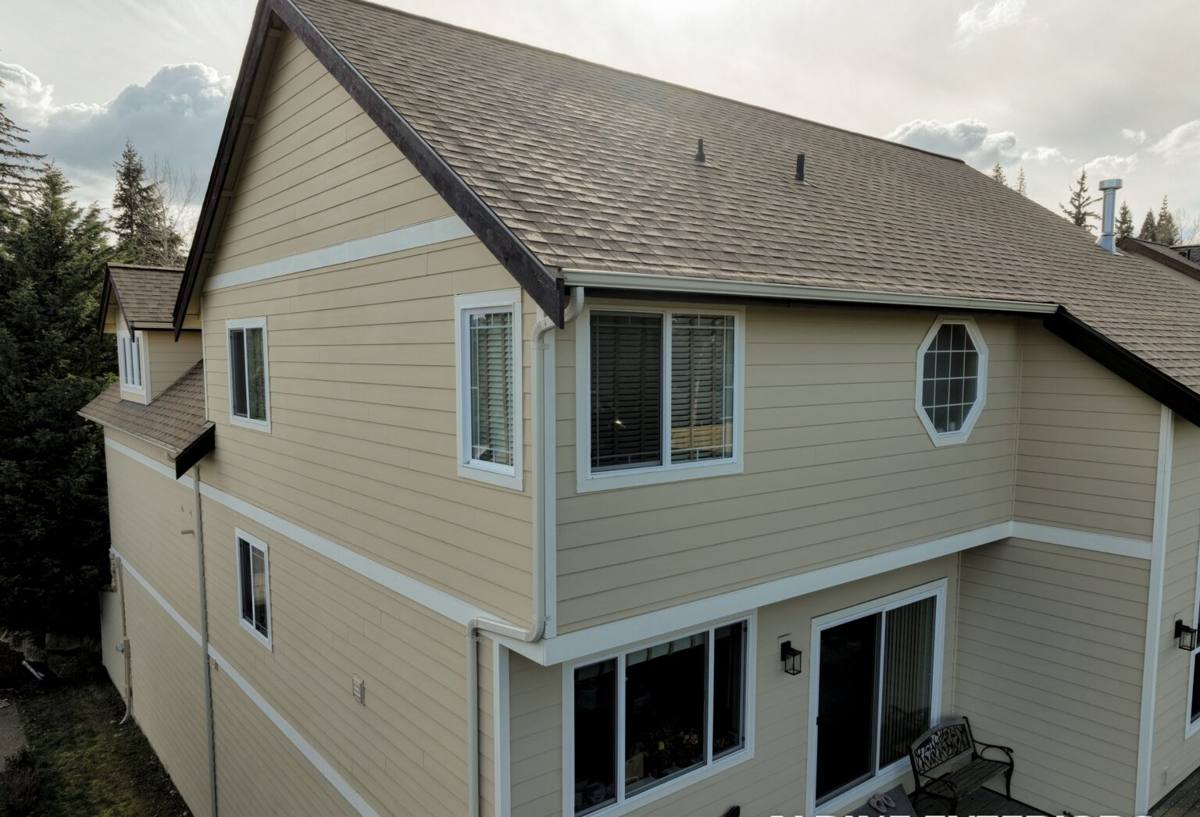
What a Correct New Roof Installation Involves in This Climate
Decking and Sheathing
Before anything new goes down, the roof deck gets inspected for rot, delamination, and soft spots common on coastal homes where humidity and past leaks have had years to work on the plywood or OSB. Any compromised sheathing gets replaced, not covered over. A new roof over bad decking is a warranty problem waiting to happen.
Underlayment for Wind-Driven Rain
Wind-driven rain during a tropical storm doesn't fall straight down; it gets pushed sideways and up under laps and edges. A synthetic underlayment with properly sealed seams, plus self-adhered membrane at eaves, valleys, and penetrations, gives the roof a second line of defense if wind ever lifts or damages the primary roofing material.
Fastening for Uplift Resistance
Nail or fastener pattern, type, and spacing matter more here than almost anywhere inland. We follow manufacturer wind-rated installation specs rather than the minimum code allows, because the difference between a code-minimum install and a properly fastened one often shows up in the first big blow.
Flashing and Penetrations
Chimneys, vents, skylights, and wall-to-roof transitions are where most roof leaks actually start. Correctly formed and sealed flashing at every penetration matters more on a salt-air coastline, where corrosion can compromise cheap or poorly installed flashing years before the field roofing itself fails.
Ventilation
Proper intake and exhaust ventilation keeps attic temperatures and moisture in check, which protects the decking from the underside and helps the roofing material itself last through years of intense Florida sun.
Choosing a Roofing Material for a Barrier Island Home
There's no single "best" roofing material for Belleair Beach; the right choice depends on your home's structure, your budget, and how much long-term maintenance you want to take on. Here's how the common options compare for a coastal Pinellas County property:
| Material | Wind performance | Salt-air durability | Typical lifespan | Relative cost |
|---|---|---|---|---|
| Architectural asphalt shingle | Good, with proper fastening and rated products | Moderate — corrosion-resistant fasteners matter | 20–30 years | $ |
| Standing seam metal | Excellent uplift resistance | Very good with coastal-grade coatings and fasteners | 40–50+ years | $$$ |
| Concrete or clay tile | Good when properly fastened; heavier system | Very good — the tile itself doesn't corrode | 40–50+ years | $$$ |
| Flat/low-slope membrane (additions, porches) | Depends on attachment method | Good with a UV-stable membrane | 15–25 years | $$ |
Many Belleair Beach homes mix a primary roof with a lower-slope section over a porch or addition, which means the "right" material question sometimes has two answers on the same house. We'll walk through what your structure can support and what fits your budget honestly, including the maintenance trade-offs of each option rather than just the upfront price.
Permits, Wind Ratings, and Insurance in Pinellas County
A new roof in Belleair Beach requires a permit through the appropriate local building department, along with inspections at key stages of the install. Florida Building Code sets minimum wind-uplift and fastening standards for coastal Pinellas County, and staying above that minimum — not just meeting it — is what separates a roof that survives storm season after storm season from one that doesn't.
Once the new roof is complete, it's worth having a wind mitigation inspection done. That documentation of your roof's construction details — deck attachment, roof-to-wall connections, secondary water barrier, and more — is what your homeowners insurance carrier uses to calculate wind mitigation credits, and on the coast, those credits can meaningfully affect your premium. It's a simple follow-up step that's easy to skip after a long install, but worth scheduling before you file it away.
Our New Roof Installation Process
- On-site inspection and estimate. We look at your current roof, attic, and decking condition, discuss material options, and give you a clear written estimate — no pressure, no vague allowances.
- Tear-off and deck inspection. Old roofing comes off down to the deck, which gets inspected and any damaged sheathing replaced before anything new goes on.
- Underlayment and flashing. Synthetic underlayment, self-adhered membrane at vulnerable areas, and new flashing at every penetration and edge.
- Roofing material installation. Installed to manufacturer wind-rated specifications, not just code minimum.
- Ventilation check. Intake and exhaust ventilation confirmed or corrected as part of the install.
- Cleanup and magnetic sweep. Job site cleared of debris and swept for stray nails and fasteners.
- Final inspection. Passed off by the local building department, with documentation you can keep for insurance and resale purposes.
Most re-roofs on a home this size move quickly once material is on site, but we build the schedule around the weather, not the other way around. A coastal install is one we'd rather do right over two extra days than rush ahead of a system moving through the Gulf.
Signs a Belleair Beach Roof Needs Replacing, Not Just Repairing
- Shingles that are cupping, curling, or missing granules across large sections rather than one isolated spot
- Soft spots or sagging visible from the ground or felt when walking the roof
- Rusted, lifted, or missing flashing around chimneys, vents, or wall transitions
- Daylight visible through the attic decking, or musty odors and staining on attic sheathing
- Repeated leaks in different spots after past repairs, even ones that were supposedly fixed
- A roof older than 20 years that hasn't had a wind mitigation inspection or upgrade
- Visible storm damage: creased shingles, exposed underlayment, or displaced tiles or panels
One or two of these usually means a repair is enough. Several at once, especially on a roof that's already 15–20+ years old, is usually the point where a full replacement is the more honest recommendation — and the more cost-effective one over time.
Cost Factors for a Belleair Beach Re-Roof
Every roof is priced individually, but the same handful of factors drive most of the variation between projects on the island:
| Factor | Why it matters here |
|---|---|
| Roof size and pitch | More square footage and steeper pitches mean more material and labor time |
| Material choice | Asphalt, metal, and tile carry very different material and labor costs |
| Decking condition | Rotted or delaminated sheathing found during tear-off adds material and labor to replace it properly |
| Number of existing layers | Tearing off multiple old layers takes longer than a single-layer tear-off |
| Roof complexity | Valleys, dormers, skylights, and multiple penetrations add flashing labor |
| Site access | Barrier island lot size, narrow streets, and staging space affect delivery and dumpster logistics |
| Permit and inspection fees | Set by the local building department, not by us |
We'll break these down for your specific roof in the written estimate, so you know exactly what's driving the number instead of getting a single lump figure with no explanation behind it.
Why a Crew That Already Works Belleair Beach Matters
A roofing crew that regularly works this stretch of the Pinellas County coast already knows things that save you time and hassle: how barrier island access and staging work, what the local building department expects at each inspection, and how salt air and direct Gulf exposure change fastener and flashing choices compared to a roof a few miles inland. That's not a small thing — it's the difference between a roof that's built for where it actually sits and one that's just built to a generic spec sheet.
We also know that a coastal re-roof often has a tighter weather window than an inland one. Scheduling, material staging, and crew sizing all account for the fact that you don't want a roof half-open on your house when a system is tracking through the Gulf. And because we're already familiar with the area, there's no learning curve on your project; that familiarity translates into fewer surprises and a smoother timeline from tear-off to final inspection.
If you're weighing a repair against a full replacement, or just want an honest read on what your Belleair Beach roof needs, we're happy to come take a look. The estimate is free, there's no pressure, and you'll get a straight answer — fill out the form below to get started.