 Seminole Siding
 Pinellas Park Roofs Work Harder Than Most
Pinellas Park sits in the heart of Pinellas County, close enough to the Gulf that homes here deal with the same punishing mix of weather as the coastline — just without always getting the coastal breeze that helps a roof dry out between storms. Between hurricane-force wind events, wind-driven rain that finds every gap in aging flashing, and roughly 230+ sunny days a year of intense UV exposure, a roof in this part of Seminole and Pinellas Park ages faster than the same product would in a milder climate. Salt air carried inland on Gulf winds also speeds up corrosion on fasteners, flashing, and metal roof components, even for homes several miles from the water.
A new roof installed correctly for this specific environment is a very different job than the same roof installed in a place with mild winters and low humidity. Material choice, fastening patterns, underlayment, and ventilation all need to account for what Pinellas Park actually throws at a roof over its lifespan — not just what a spec sheet says under ideal lab conditions.
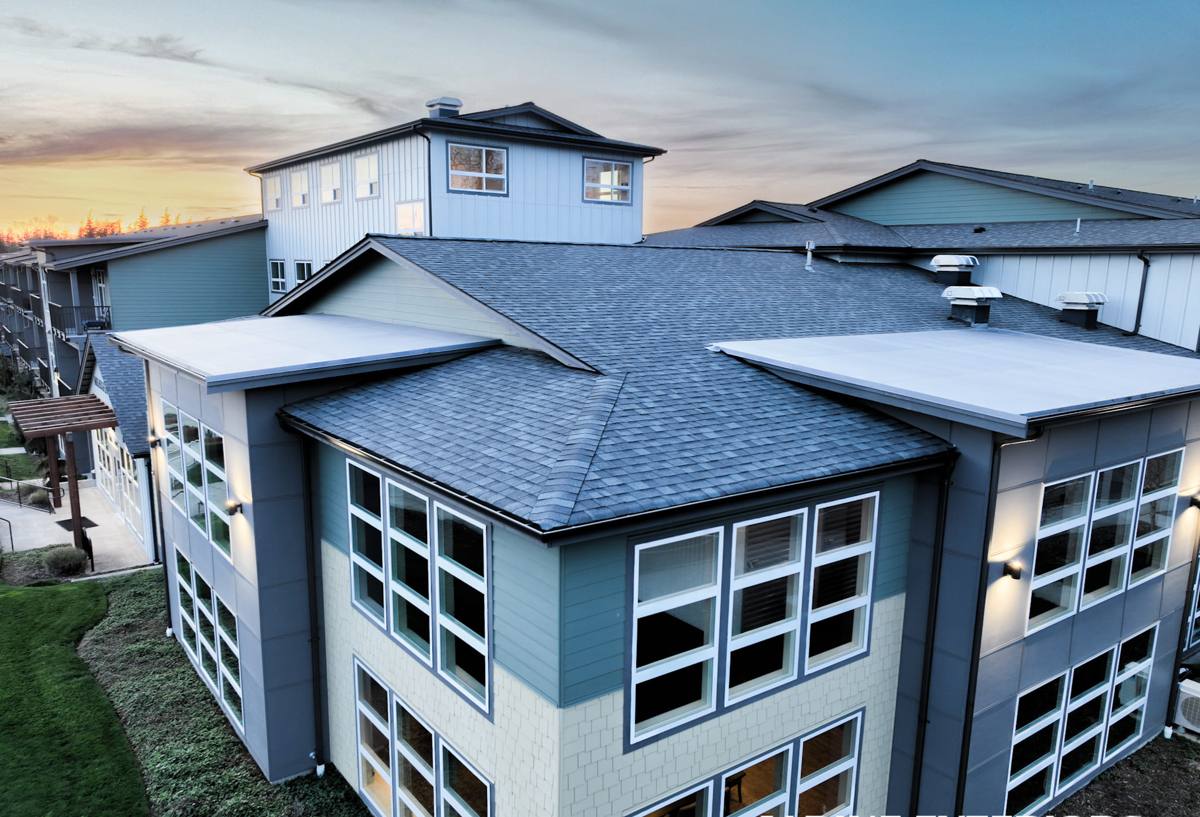
Signs a Pinellas Park Roof Needs Replacing, Not Patching
Not every roofing problem calls for a full replacement — but ignoring the wrong signs, or accepting a patch when the underlying deck and underlayment are already compromised, usually costs more in the long run. Homeowners in this area should treat these as red flags:
- Shingles that are curling, cupping, or missing granules in patches, especially on south- and west-facing slopes that take the most UV exposure
- Soft spots or noticeable sagging when walking the attic or seeing daylight through the roof deck
- Repeated leaks around the same penetration (vent pipes, chimney, skylight) even after flashing repairs
- Roof cement or tar visibly applied as a "fix" over cracked flashing or shingle edges
- A roof that's 18-20+ years old, or that has taken direct hits from recent hurricane seasons
- Rising energy bills alongside a hot, poorly ventilated attic
If more than one of these applies, it's worth getting a straightforward inspection before deciding between repair and replacement.
What a Correct New Roof Installation Actually Involves
Full Tear-Off and Deck Inspection
A roof over a roof might save a day of labor, but it hides deck damage and voids most manufacturer warranties. A proper installation starts with a complete tear-off down to the deck, so every board can be inspected. Any wood that's soft, delaminated, or water-damaged gets replaced before anything new goes down — skipping this step is one of the most common ways a new roof fails early in a humid, storm-prone climate like this one.
Underlayment and Flashing
The underlayment is the roof's real waterproofing layer; the visible material on top is the first line of defense, not the only one. In Pinellas County's wind-driven rain events, a synthetic or self-adhering underlayment installed with the correct overlap and sealed penetrations matters as much as the shingles or tiles themselves. New flashing — not reused flashing — around chimneys, walls, valleys, and vent penetrations closes off the spots where the vast majority of roof leaks actually start.
Field Material Installation
Whatever the finished material — shingles, tile, or metal — the fastening pattern and nailing schedule matter more here than in most parts of the country. Wind-rated installation means the correct number and placement of fasteners, not just "code minimum," especially on roof edges, ridges, and corners where uplift forces concentrate during high wind events.
Ventilation
Florida attics run hot. Proper intake and exhaust ventilation keeps attic temperatures from cooking the underside of the roof deck and shingles, extends the life of the roofing material, and helps keep cooling costs down in a house that runs air conditioning most of the year.
Roofing Material Options for Pinellas Park Homes
There's no single "right" material for every house — it depends on the home's structure, budget, and the homeowner's priorities for longevity versus upfront cost. Here's how the common options compare for this climate:
| Material | Typical Lifespan Here | Wind Performance | Maintenance Notes |
|---|---|---|---|
| 3-tab asphalt shingle | 12-18 years | Lower wind rating; edges more prone to lifting | Lowest upfront cost, shortest lifespan in this climate |
| Architectural (dimensional) shingle | 20-25 years | Higher wind rating when properly fastened | Best balance of cost and durability for most homes |
| Standing seam metal | 30-45+ years | Excellent uplift resistance when installed correctly | Higher upfront cost, minimal ongoing maintenance |
| Concrete or clay tile | 30-50 years | Very good, but individual tiles can crack from impact or foot traffic | Heavier deck/structure requirements; repairs need matching tile |
We don't install every product on the market, and that's intentional. Some lower-cost systems carry moisture or installation sensitivities that make them a poor fit for a climate with this much sun, humidity, and wind — we'd rather steer a homeowner toward a system we can stand behind for the long haul than sell whatever is cheapest today.
Permits, Codes, and Wind Requirements in Pinellas County
New roof installations in Pinellas Park and the surrounding Seminole area require a permit through the local building department, along with inspections at defined stages of the job. The Florida Building Code sets wind-rated material and fastening requirements based on local wind speed zones, which in this part of the Gulf coast are higher than in much of the country. That affects nailing patterns, underlayment type, and in some cases the products that are approved for use at all.
Skipping permits or inspections might save a little time, but it creates real problems later — from insurance claim denials after storm damage to complications when selling the home. A correctly permitted and inspected roof also often qualifies for wind mitigation credits that can lower homeowners insurance premiums, which is worth confirming with your insurance agent once the new roof is in.
Our Installation Process, Start to Finish
- On-site inspection and estimate — we assess the current roof, attic ventilation, and deck condition, and walk through material options honestly, including trade-offs.
- Permitting — we handle the permit application with the local building department before work begins.
- Tear-off — complete removal of old roofing material down to the deck, with daily site cleanup and magnetic sweeps for nails.
- Deck repair — any damaged decking is replaced and documented before covering it up.
- Underlayment and flashing — new underlayment and flashing installed to current code, sealed at every penetration.
- Material installation — shingles, tile, or metal installed to the wind-rated fastening schedule required for this area.
- Ventilation check — intake and exhaust ventilation confirmed adequate for the attic space.
- Final inspection and walkthrough — city/county inspection passed, then a walkthrough with the homeowner before we consider the job done.
Cost Factors to Expect
Every roof is priced on its own specifics, but the main variables that move the number up or down are consistent across Pinellas Park jobs:
| Factor | How It Affects Cost |
|---|---|
| Roof size and pitch | Larger and steeper roofs take more material and labor time |
| Number of layers to remove | Tearing off multiple old layers costs more than a single-layer tear-off |
| Deck condition | Rotted or water-damaged decking adds material and labor to repair |
| Material choice | Asphalt shingles are the most budget-friendly; metal and tile cost more upfront but last longer |
| Roof complexity | Valleys, dormers, skylights, and multiple penetrations add labor and flashing work |
| Access | Tight lot lines, landscaping, or multi-story sections can affect equipment and labor time |
We give straightforward, itemized estimates rather than a single vague number, so homeowners can see exactly what they're paying for and where the money goes.
Why Hiring a Crew That Already Works Pinellas Park Matters
A roofing crew that regularly works this part of Pinellas County already knows the local permitting process, the wind zone requirements that apply here, and how local weather patterns tend to stress a roof over time. That familiarity shows up in small but important decisions — where extra fastening makes sense, which flashing details matter most given wind-driven rain, and how to sequence a job around Florida's afternoon storm patterns so a roof isn't left exposed overnight.
It also means faster response if something needs attention after a storm. A crew with an established presence in the area isn't a stranger showing up once and disappearing — they're accountable to the same community they work in.
What to Ask Before You Hire a Roofing Contractor
- Are you licensed to perform roofing work in Florida, and can you provide proof of insurance (general liability and workers' comp)?
- Will you pull the permit yourself, or is that left to the homeowner?
- What underlayment and fastening schedule do you use, and does it meet or exceed the local wind zone requirement?
- What's included in the manufacturer's warranty versus your workmanship warranty, and what could void each one?
- Can you provide a written, itemized estimate rather than a single lump-sum number?
- How do you handle deck damage discovered after tear-off — is it priced upfront or as a surprise change order?
A contractor who answers these clearly, without hesitation, is generally one worth trusting with a job this important.
Ready When You Are
If your roof in Pinellas Park is showing its age, took a beating in a recent storm, or you just want an honest opinion on whether repair or replacement makes more sense, we're happy to take a look. Use the form below to request a free, no-pressure estimate — we'll walk the roof, answer your questions plainly, and give you a clear picture of what the job actually involves.