 Seminole Siding
 Why Pinellas Park Decks Take More Punishment Than Most
A deck in Pinellas Park works harder than a deck almost anywhere inland. It sits outside year-round, so it never gets a real break from the sun, the humidity, or the storms that roll through Pinellas County every summer and fall. Intense, near-constant UV exposure breaks down wood fibers and fades or chalks lesser finishes faster than most homeowners expect. Wind-driven rain gets pushed sideways during squalls and tropical systems, finding its way into any gap around a ledger board or post connection that wasn't flashed correctly. And even though Pinellas Park itself isn't right on the coastline, it sits in the middle of a peninsula, with salt-laden air moving in off both Tampa Bay and the Gulf on the everyday sea breeze. Over months and years, that salt air accelerates corrosion on any hardware that wasn't specified for coastal conditions.
None of this means a deck can't last for decades here — it means the design, the fasteners, and the build sequence all have to account for local conditions from the start, not get patched later.
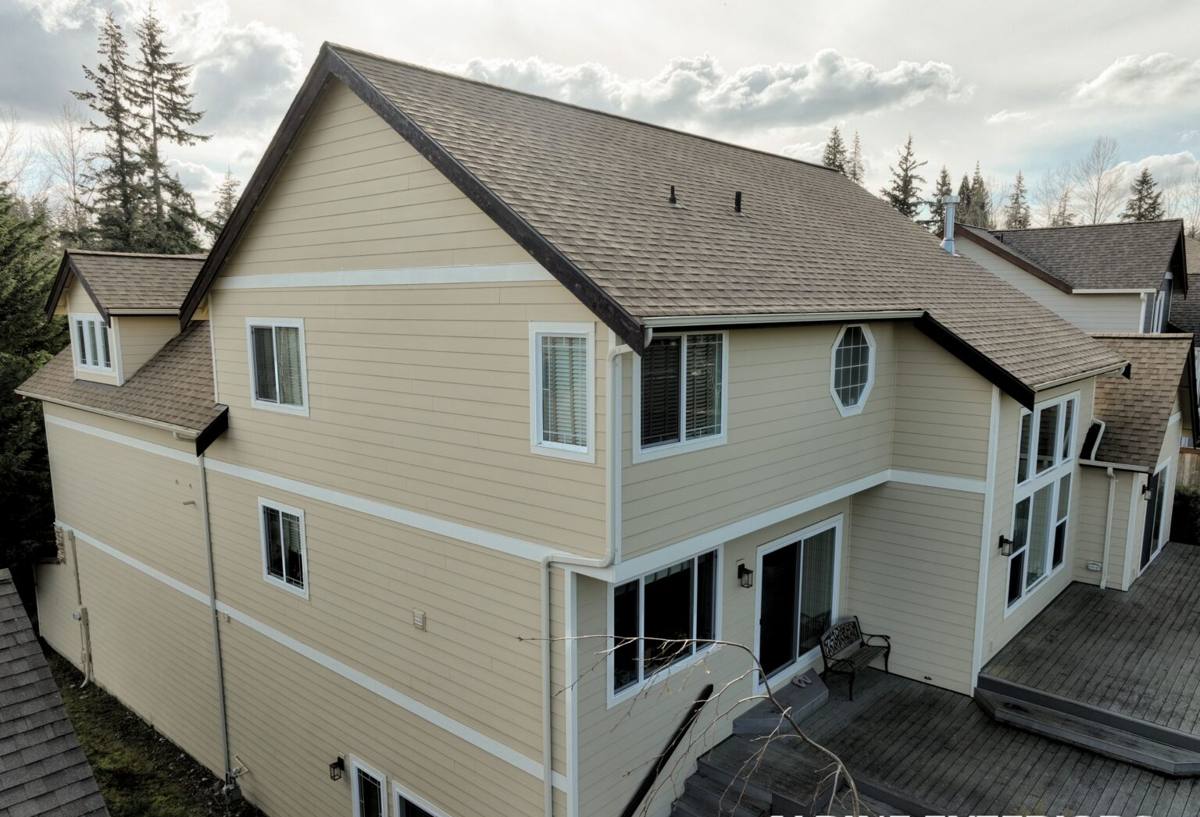
What a Correctly Built Deck Needs in This Climate
Fasteners and Structural Hardware
This is the single most common shortcut we see on decks that fail early. Standard zinc-coated screws and joist hangers corrode quickly once they're exposed to Florida humidity and salt air, especially at the coated cut ends of pressure-treated lumber where the chemical treatment eats through galvanizing over time. A correctly built deck uses stainless steel or hot-dip galvanized fasteners and connectors rated for use with modern treated lumber, at every structural connection — not just the visible screws on top of the boards.
Ledger Attachment and Flashing
Where the deck ties into the house is the most important connection on the whole structure, both for keeping the deck attached during high wind events and for keeping water out of the house. That means proper flashing behind and over the ledger board, correct lag bolt or through-bolt spacing (not just nails), and a gap or drainage plane so wind-driven rain doesn't sit against the house's siding or sheathing. We treat this connection as critical, not routine.
Footings and Post Bases
Footings need to be sized and set to local code depth, and posts should sit on raised metal post bases rather than buried in or resting directly on concrete, so the end grain of the wood isn't sitting in standing water after a heavy rain. Post-to-beam and beam-to-joist connections need hurricane-rated hardware sized for the wind speeds Pinellas County actually sees, not the minimum hardware a big-box framing guide assumes for a milder climate.
Decking Material Options for Pinellas Park Homes
There's no single "right" decking material for every home — it depends on budget, how much upkeep you want to take on, and how the deck will be used. Here's how the common options actually perform under Florida sun, humidity, and salt air:
| Material | Upfront Cost | Maintenance | How It Handles Local Climate |
|---|---|---|---|
| Pressure-treated wood | Lowest | Annual cleaning and re-sealing recommended | Prone to graying, splintering, and fastener corrosion staining if not sealed and re-sealed on schedule |
| Composite decking | Mid to high | Occasional washing, no sealing or staining | Resists rot and insects; quality varies by product line, so warranty terms matter more than the marketing |
| PVC/cellular decking | Highest | Lowest — washing only | Fully moisture-resistant, holds color well under heavy UV, but can run hotter underfoot in direct sun |
| Tropical hardwoods | High | Regular oiling to maintain color | Naturally dense and rot-resistant, but requires disciplined upkeep or it will silver and check |
We install and stand behind all of these when they're specified and installed correctly. Our job is to walk you through the honest trade-offs — upfront cost versus lifetime maintenance, appearance versus warranty coverage — rather than push whatever happens to be easiest to install.
Permits, Wind Load, and Local Code
Most new decks and many deck replacements in Pinellas County require a building permit, and the structural requirements are tied to the wind speeds this part of Florida is rated for. That affects footing size, post spacing, railing attachment, and the hardware used at every connection — generic online deck plans are usually written for a much lower wind zone and don't hold up to local plan review. Guardrail height, baluster spacing, and stair geometry also have to meet current code, which matters both for the permit inspection and for keeping the deck safe for whoever uses it.
We pull permits and handle the plan submission and inspections as part of the job. If you've been quoted a deck build with no mention of a permit, that's worth asking about directly — it usually means the scope wasn't accounted for correctly, and it can become your problem later if the deck ever needs to be disclosed in a home sale or insurance claim.
Our Deck Building Process
- Site visit and design conversation. We look at how the deck will be used, the grade and drainage of the yard, sun exposure, and how it will tie into the house before recommending a layout or material.
- Material selection and proposal. You get a clear, written scope and price range based on the material and size you choose — no vague allowances that turn into change orders later.
- Permit drawings and submission. We prepare and submit what the permitting process requires and schedule inspections at the right points in the build.
- Framing and structural work. Footings, posts, beams, and joists go in with the fastener and flashing standards described above, inspected before the decking goes down.
- Decking, railing, and finish work. Boards, railings, stairs, and any lighting or fascia details are installed and cleaned up.
- Final walkthrough. We go over the finished deck with you, including what maintenance it does and doesn't need going forward.
Living With a Florida Deck: Maintenance That Actually Matters
The maintenance a deck needs here is different from what a generic care guide written for a drier, cooler climate will tell you. A few habits go a long way toward getting the full lifespan out of the structure:
- Rinse off salt residue and pollen buildup periodically, especially after long dry stretches followed by rain
- Check fastener heads and connector hardware once a year for early rust staining, particularly near the ledger and post bases
- Re-seal or re-stain wood decking on the schedule the product actually needs in this climate — UV exposure here is more intense than most manufacturer guidelines assume
- Keep gutters and downspouts near the deck clear so runoff isn't dumping directly onto footings or framing
- After a significant storm, walk the deck and check railings, stair stringers, and ledger flashing for anything that shifted
- Trim back vegetation that holds moisture against the deck's framing or skirting
Signs an Existing Deck Needs Repair or Replacement
Not every issue means starting over, but a few signs mean it's time to have the structure looked at rather than just the surface:
- Soft or spongy spots in decking boards, which usually indicate moisture damage below the surface
- Rust streaking around fastener heads or connectors
- Any movement or bounce at the point where the deck attaches to the house
- Wobbly railings or posts, which is a safety issue, not just cosmetic
- Gaps opening up at the ledger board where it meets the siding
A deck that's structurally sound but cosmetically tired is often a good candidate for resurfacing rather than full replacement. One that's showing structural issues at the ledger or footings usually isn't — patching those areas tends to be a short-term fix at best.
Why a Crew That Already Works in Pinellas Park Matters
Deck construction rules and inspection expectations aren't identical from one Florida county to the next, and even within Pinellas County there are local permitting steps that a crew from outside the area may not be used to navigating efficiently. Working regularly in Pinellas Park and the surrounding parts of Pinellas County means we're familiar with typical lot drainage patterns, common HOA and setback considerations, and what local inspectors look for at framing and final inspection — which keeps the project moving instead of stalling on avoidable back-and-forth. It also means the fastener, flashing, and material choices described above aren't theoretical for us; they're simply how we build every deck we put up in this climate.
If you're weighing a new deck or wondering whether an existing one needs repair, we're glad to take a look and give you a straightforward, no-pressure estimate — just fill out the form below to get started.