 Seminole Siding
 Why Roofs in Pinellas Park Wear Out Faster Than the Manufacturer's Warranty Suggests
Pinellas Park sits inland enough from the Gulf to feel a little sheltered, but it's still squarely inside Pinellas County's coastal climate zone. That means the same combination of punishing sun, salt-laden air, and storm-season wind and rain that hits Seminole and the beach communities also works on roofs here — just at a slightly slower pace. Slower doesn't mean gentle. A shingle rated for 30 years in a mild climate rarely makes it that long in west-central Florida.
Three things do most of the damage over time. Year-round UV exposure bakes the oils out of asphalt shingles and dries out sealant strips, making them brittle and prone to cracking years before the warranty date. Wind-driven rain during summer storms and hurricane season finds any weak seam, nail pop, or aging flashing detail and pushes water sideways and upward, not just straight down — which is why roofs that "look fine" from the ground can still be leaking into the decking. And salt air, carried inland on Gulf breezes, accelerates corrosion on exposed fasteners, flashing, and metal roofing panels, especially on the side of the house that faces prevailing winds.
None of this means Pinellas Park homeowners are stuck replacing roofs constantly. It means the replacement has to be done with local conditions in mind from the first layer of underlayment to the last ridge cap — not treated like a generic reroof job pulled from a national template.
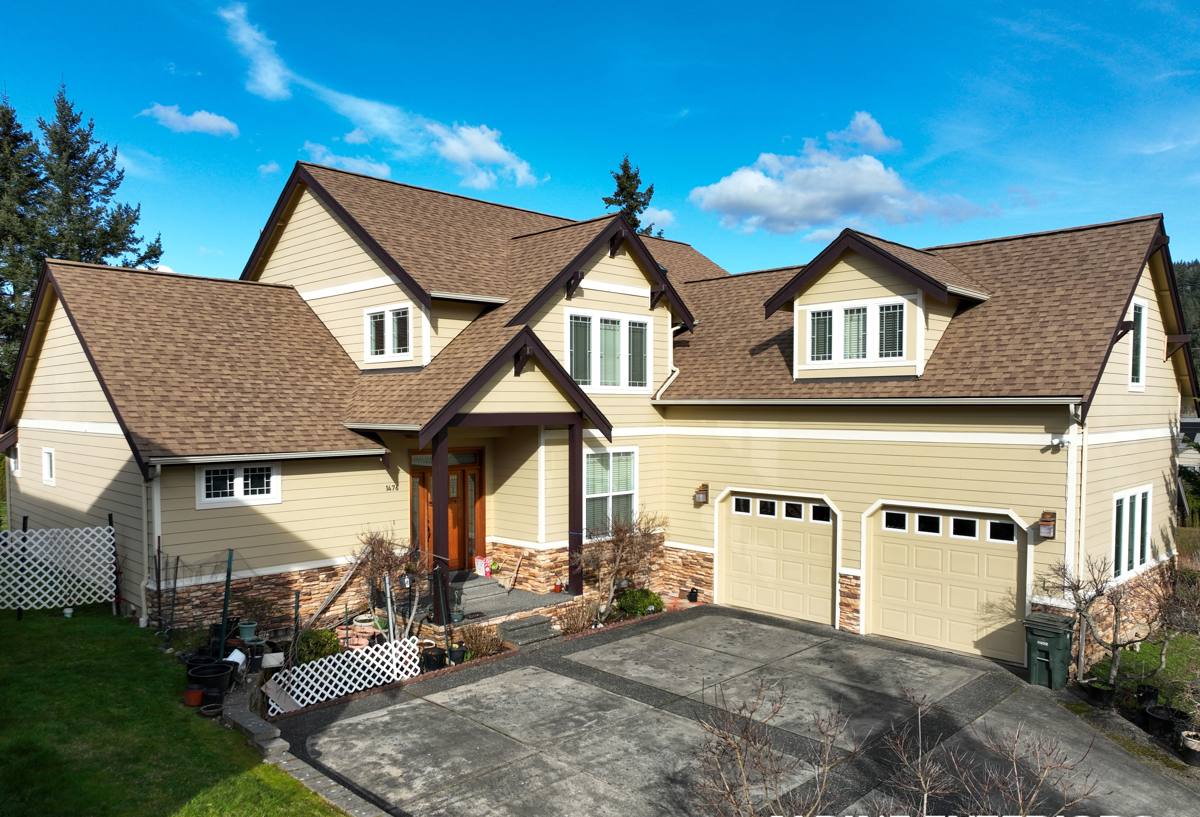
Repair or Replace? How to Tell the Difference
Not every roof problem calls for a full tear-off. But there's a point where repeated patching stops being cost-effective and starts masking a bigger issue underneath. A few signs that a Pinellas Park home is past the point of spot repairs:
- Shingles are cracked, curling, or losing granules across large sections of the roof, not just one isolated spot
- The roof is 18-20+ years old and has already had two or more repair visits
- There's visible sagging in the roofline, which can point to decking damage underneath
- You're finding soft spots, staining, or a musty smell in the attic after storms
- A wind mitigation or four-point inspection (common when refinancing or shopping insurance) flagged the roof as a liability
- Multiple layers of shingles were installed in past reroofs, limiting how much longer a repair can realistically hold
If it's just a handful of missing shingles after a storm or a small flashing leak around a vent, repair is usually the right call. When the damage is widespread or the roof's underlying materials are compromised, replacement is the more honest recommendation — and a contractor who tells you that upfront, instead of stacking repairs on a roof that's done, is doing you a favor.
What a Correct Roof Replacement Actually Involves
It starts with a full tear-off, not a layover
Florida building code limits how many layers of roofing can be stacked, and in practice, a layover job hides problems instead of fixing them. A proper replacement strips the roof down to the decking so it can actually be inspected.
Decking inspection and repair
Once the old roofing is off, the plywood or OSB decking underneath gets checked for water damage, soft spots, and delamination — common in older Pinellas Park homes where slow leaks went unnoticed for years. Any damaged sections get replaced before anything new goes down. Skipping this step is one of the most common shortcuts in cheap reroofs, and it's invisible until the new roof starts leaking in the same spots as the old one.
Underlayment built for wind-driven rain
A high-quality synthetic or self-adhering underlayment matters more here than in drier climates, because it's the backup layer that keeps water out when wind pushes rain up under shingles during a storm. Self-adhering membrane at eaves, valleys, and penetrations is a low-cost upgrade that pays for itself the first time a storm hits at the wrong angle.
Flashing, ventilation, and fastening
Flashing around chimneys, walls, skylights, and vent penetrations has to be replaced, not just re-caulked over old metal. Proper attic ventilation keeps roof temperatures down, which extends shingle life in a climate that already runs hot most of the year. And fastening pattern matters for wind resistance — this is one of the areas Florida's building code is specific about, and it's also one of the easiest places for a rushed crew to cut corners.
Roofing Material Options for Pinellas Park Homes
There's no single "best" roofing material — the right choice depends on budget, how long you plan to stay in the home, and how much maintenance you want to think about. Here's how the common options stack up for this climate:
| Material | Typical Lifespan Here | Wind/Storm Performance | Maintenance |
|---|---|---|---|
| Architectural asphalt shingle | 18-25 years | Good with proper nailing and high wind-rated product | Low; periodic inspection after storms |
| Standing seam metal | 30-50 years | Excellent wind uplift resistance | Low; watch fastener corrosion near coast |
| Concrete or clay tile | 30-50 years | Very good when properly fastened; individual tiles can crack from impact | Moderate; underlayment usually fails before the tile does |
| Flat/low-slope membrane (for additions, porches) | 15-25 years | Depends heavily on installation quality | Moderate; seams need periodic checking |
Architectural shingles remain the most common choice for Pinellas Park homes because they balance cost, appearance, and performance well when installed correctly. Metal and tile cost more upfront but spread that cost over a much longer service life, which is worth discussing if you're planning to stay in the home long-term.
Florida Building Code, Wind Mitigation, and Insurance
Pinellas County enforces Florida's building code requirements for wind resistance, which affect everything from nailing patterns to underlayment type to how ridge vents are secured. A permitted, inspected reroof isn't just a legal requirement — it's also what generates the paperwork you'll need for a wind mitigation inspection.
Wind mitigation credits can meaningfully lower homeowner's insurance premiums, but only if the roof was installed to current code and documented properly. A contractor who pulls the permit, follows the inspection process, and hands you the right paperwork at the end is doing more than finishing a construction job — they're setting you up for the insurance side too. This is one area where trying to save money on an unpermitted "cash job" reroof can cost far more later, either in a denied claim or a lost insurance discount.
Our Roof Replacement Process
The steps don't change much from house to house, but the details matter:
- On-site assessment — we look at the current roof, attic ventilation, and any visible trouble spots before quoting anything
- Material and scope walkthrough — we go over shingle or metal options, underlayment upgrades, and what's actually needed versus optional
- Permitting — pulled through Pinellas County/city process before work starts, not after
- Tear-off and decking inspection — old materials removed, decking checked and repaired as needed
- Underlayment, flashing, and ventilation — installed to current code, with storm-driven-rain protection at vulnerable points
- Final roofing installation — shingles, metal, or tile installed per manufacturer spec and wind-rated fastening pattern
- Cleanup and inspection — magnetic sweep for nails, debris hauled off, final walkthrough with the homeowner
- Documentation — permit closeout and paperwork you'll need for wind mitigation or insurance purposes
Why Hiring a Crew That Already Works Pinellas Park Matters
Roofing crews that work Seminole and Pinellas Park regularly know which details actually matter in this specific climate — how much underlayment upgrade is worth the cost, which flashing details tend to fail first on homes in this area, and what the local permitting process actually requires versus what out-of-town crews assume. That familiarity shows up in fewer surprises during the job and fewer callbacks after storm season.
It also means accountability. A company with an established presence in the area isn't disappearing after the check clears — if something needs attention after a big storm, you're not starting from scratch with a contractor who's never seen your roof.
Getting Ready for Replacement Day
A little prep on your end keeps the job moving smoothly:
- Move vehicles out of the driveway and away from the work zone for the day
- Take down wall décor or anything fragile that could shake loose from tear-off vibration
- Clear a path for material delivery and debris removal, including gate access if you have a fenced yard
- Plan for noise — tear-off and nailing are loud, so it's not the best day for a work-from-home video call
- Keep pets indoors or off-site during the workday
- Ask about the nail-sweep and cleanup process before the crew arrives, so you know what to expect at the end
If you're weighing repair versus replacement, comparing materials, or just want a straight answer on what your Pinellas Park roof actually needs, we're happy to take a look. The estimate is free, there's no pressure, and you'll get a plain explanation of what we find — use the form below to get started.