 Seminole Siding
 Building a Deck That Belongs on a Barrier Island
Redington Beach sits on a narrow strip of sand between the Gulf and the Intracoastal, and that location shapes everything about how a deck should be built here. A deck design that works fine a few miles inland in Seminole often falls short a block from the water, where salt air, wind-driven rain, and near-constant sun break materials down faster than most homeowners expect. Building a deck that actually holds up in this environment isn't about buying a fancier product off a shelf — it's about choosing the right combination of framing, fasteners, and decking for a barrier island climate, and installing all of it correctly the first time.
We build and repair decks throughout Seminole and the surrounding Pinellas County beach communities, and Redington Beach jobs get treated differently from the start. The same storm systems that push hurricane-force gusts across the Gulf coast, the same relentless UV exposure that fades and dries out wood and composite alike, and the same salt-laden air that corrodes ordinary hardware are all part of the baseline here — not occasional risks, but everyday conditions a deck has to be built to handle.
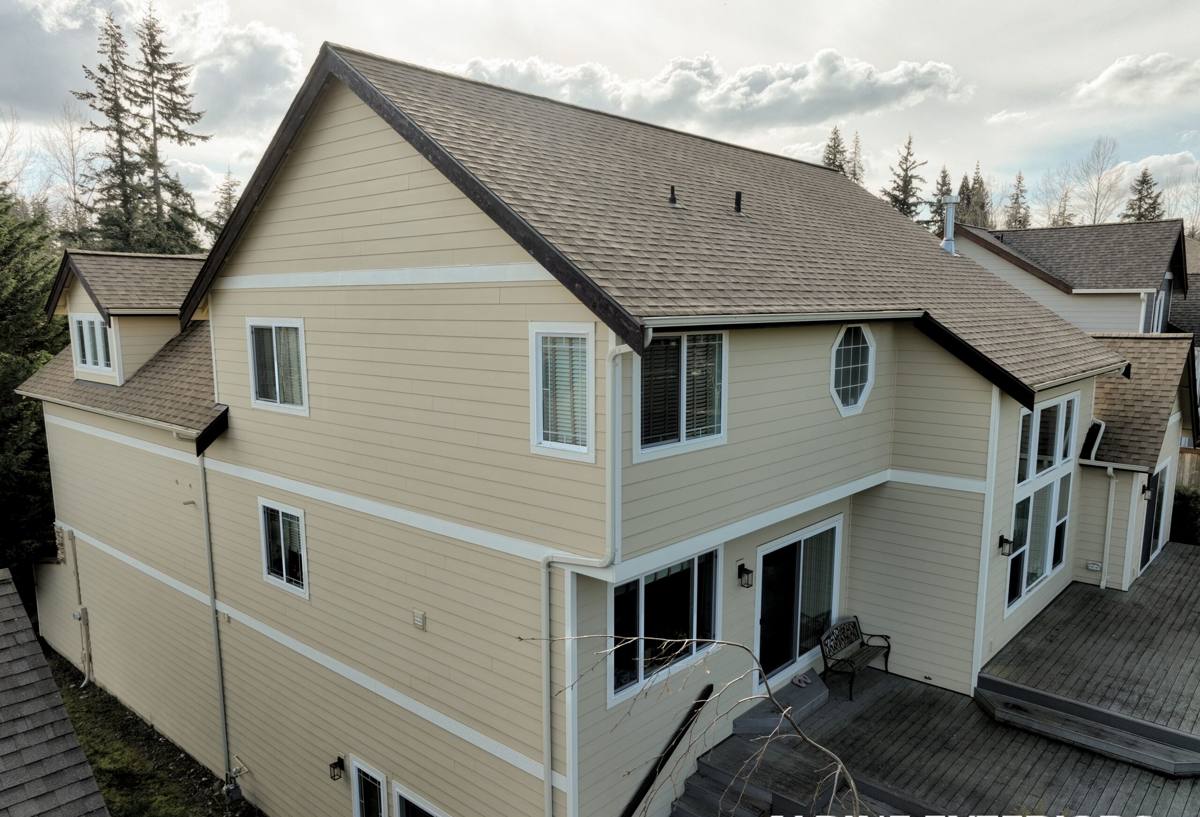
What Coastal Exposure Actually Does to a Deck
It helps to understand the specific ways this climate attacks a structure, because it explains why certain shortcuts that pass inspection inland simply don't hold up here.
Salt Air and Corrosion
Airborne salt doesn't just settle on surfaces near the water — it travels on the wind and lands on decks, railings, and hardware throughout Redington Beach and nearby coastal pockets of Seminole. Standard coated screws and joist hangers that would last for decades in an inland yard can start rusting, staining, and weakening within a few seasons this close to the Gulf. Corroded fasteners are one of the most common reasons we get called out to inspect an older deck that suddenly feels soft or wobbly.
UV and Heat
Florida sun is intense everywhere, but the added glare and reflected light off open water and sand can accelerate UV breakdown on decking surfaces. Wood dries, cracks, and silvers faster; lower-grade composite boards can fade or chalk. Dark-colored decking also absorbs more heat, which matters for barefoot comfort on a deck meant for beach days.
Wind-Driven Rain and Moisture Cycling
Decks here don't just get rained on — they get rain driven sideways under railings and into ledger connections, followed by intense heat that dries everything out again within hours. That constant wet-dry cycling is hard on wood fibers, finishes, and any connection point where water can collect and sit instead of draining away.
Wind Load
Pinellas County's barrier islands see the leading edge of tropical systems and seasonal storms. A deck's railings, structural connections, and any attached pergola or cover need to be built to resist uplift and lateral loads, not just support standing weight.
Framing and Structure Built for This Exposure
The framing is the part of a deck nobody sees once it's finished, which is exactly why it's the part most likely to get shortcut by a crew that isn't used to building on the coast. We treat framing decisions as the foundation of a deck's lifespan, not a place to save time.
Fasteners and Hardware
For a Redington Beach deck, we use stainless steel or coastal-rated hardware for structural connections — joist hangers, ledger bolts, and post bases — rather than standard galvanized fasteners. It costs more up front, but it's the difference between hardware that's still sound in fifteen years and hardware that's rusting through in five. This is one area where we won't cut the spec down to hit a lower price, because it's a structural safety issue, not a cosmetic one.
Ledger Attachment and Flashing
The ledger board — where the deck attaches to the house — is the single most important structural connection on most decks, and it's also the most common point of hidden water damage. Proper flashing, correct fastener spacing, and a real gap or flashing detail to keep water from tracking behind the ledger are non-negotiable on a job this close to the water.
Post and Footing Depth
Sandy soil common on the barrier islands behaves differently than inland soil when it comes to footing stability. Footings need to be sized and set to the depth the local code and soil conditions call for, not just poured to a generic minimum.
Elevation and Drainage
Low-lying coastal lots need decking and framing that won't sit in standing water after a heavy rain event. We plan grading, gaps between boards, and ledger height with drainage in mind so water moves off and away from the structure instead of pooling underneath it.
Choosing the Right Decking Material
There's no single "best" decking material for every home — the right choice depends on budget, how the deck will be used, and how much upkeep a homeowner actually wants to commit to. What matters is picking with eyes open about how each option behaves in salt air and heavy sun.
| Material | Upfront Cost | Maintenance | Coastal Durability | Heat Underfoot |
|---|---|---|---|---|
| Pressure-treated pine | Lowest | Regular sealing/staining needed | Good if maintained; vulnerable if neglected | Moderate |
| Tropical hardwood | High | Periodic oiling to maintain color | Naturally dense and rot-resistant | Moderate to high |
| Composite decking | Mid to high | Low — occasional cleaning | Very good; won't rot or splinter | Can run hot in direct sun, varies by color/brand |
| PVC decking | Highest | Lowest | Excellent moisture resistance | Similar to composite |
We'll walk through these trade-offs honestly during an estimate rather than steering every homeowner toward the highest-margin product. A well-maintained pressure-treated deck can serve a family for many years at a fraction of the cost of composite or PVC — the honest trade-off is the maintenance commitment, not a flaw in the material itself.
Permitting and Code Considerations Near the Water
Deck construction in Seminole and Pinellas County's beach communities is subject to local permitting, and homes closer to the water can carry additional considerations around flood zones and elevation. We handle the permitting process as part of the job rather than leaving a homeowner to sort it out, and we build to the load and connection requirements that apply to the property — not just to what looks sturdy. If your lot has specific flood zone or elevation requirements, that gets confirmed with the local building department before design work is finalized, not guessed at.
Our Deck Building Process
Every deck we build in Redington Beach follows the same structured process, adjusted for the specific home and lot:
- On-site assessment of the lot, existing structure (for replacements), soil, and drainage patterns
- Design discussion covering layout, decking material, railings, and any covered or shaded areas
- Honest, itemized estimate with material options and their trade-offs explained
- Permitting and engineering documentation where required
- Demolition of any existing deck, if applicable, with attention to what the removal reveals about the ledger and framing underneath
- Framing built with coastal-rated fasteners and correct footing depth
- Decking installation with proper spacing for drainage and expansion
- Railings and final details, followed by a walkthrough with the homeowner
We don't rush the parts that get covered up. A framing inspection that gets skipped, or fasteners that get swapped for a cheaper option mid-job, are the kinds of shortcuts that don't show up until years later — usually as a soft spot, a rust stain, or a railing that's gone wobbly.
Living With a Deck in This Climate: Realistic Maintenance
No deck material on Redington Beach is truly maintenance-free, no matter what a sales brochure claims. Salt air and sun exposure mean every deck benefits from some routine attention. A short, honest maintenance checklist:
- Rinse the deck surface periodically with fresh water to clear salt residue, especially after storms or high-wind days
- Inspect fasteners and railings annually for rust staining or looseness
- Check the ledger board area for signs of water intrusion or staining on the siding above it
- Reseal or restain wood decking on the schedule the product calls for — don't wait until it's visibly gray and dry
- Clear leaves and debris from between boards so water keeps draining instead of collecting
- After a named storm, walk the deck and check railings, stairs, and any attached structures for movement before using them
None of this is difficult, but skipping it is how a well-built deck ages faster than it should in a coastal environment.
Why Local Experience in Redington Beach Matters
A contractor who mostly builds decks well inland can still build a structurally sound deck on paper, but they may not default to coastal-rated hardware, may not think through wind-driven rain at the ledger, or may spec a decking product without factoring in how it performs a block from the Gulf. None of that shows up on day one — it shows up two or three years later. Crews who regularly work Redington Beach and the surrounding Pinellas County beach communities build these details in as standard practice, not as an upgrade a homeowner has to know to ask for.
Local experience also means a more realistic estimate and timeline. We know what the permitting process typically involves for this area, what soil and drainage conditions to expect on barrier island lots, and what decking performs well versus what struggles under this specific combination of sun, salt, and storm exposure.
Common Problems We're Called In to Fix
A large share of our Redington Beach deck work is repair and replacement on decks that were built without coastal conditions in mind. The recurring issues are consistent: standard fasteners rusting and staining the decking around them, ledger boards with hidden water damage from missing or failed flashing, railings that have loosened because posts weren't anchored to account for wind load, and decking that's cupped or split from repeated wet-dry cycling without adequate sealing. Most of these problems are preventable with the right build from the start, and where a deck has already developed issues, an honest inspection can usually tell you whether targeted repairs will hold or whether a rebuild is the more cost-effective path.
If you're planning a new deck or need an honest look at one that's showing its age, we're happy to walk the property with you and talk through what a build suited to Redington Beach's conditions actually looks like. Reach out for a free, no-pressure estimate using the form below.