 Seminole Siding
 Windows Built for Life a Few Blocks from the Gulf
Redington Beach sits right on the barrier island, which means every window on every home here is doing a harder job than a window fifteen miles inland in Seminole proper. You've got direct salt air rolling off the Gulf, sun exposure that doesn't let up most of the year, and the real chance of hurricane-force wind and wind-driven rain testing every seam in the frame. A window that's "fine" in a subdivision off Park Boulevard can fail early out here if it wasn't chosen and installed with barrier-island conditions in mind.
We're a Seminole-based crew, and Redington Beach is part of our regular service area — not a once-a-year trip. That matters more with windows than almost any other exterior product, because so much of whether a window performs for twenty years comes down to details you can't see once the trim is on: how the flashing was lapped, how the sill pan was built, what sealant was used and where.
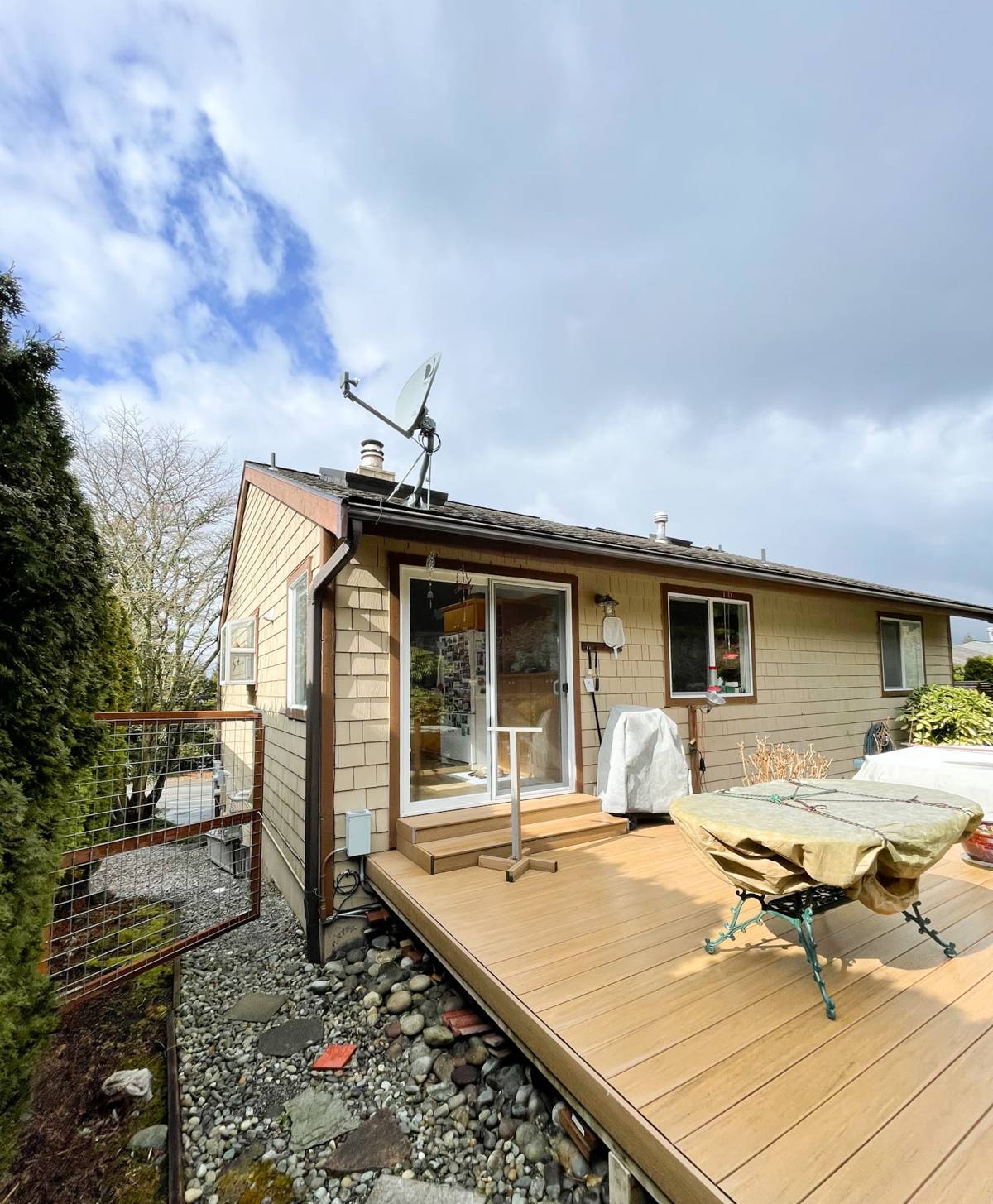
What the Coastal Environment Actually Does to a Window
Salt Air and Corrosion
Salt-laden air doesn't need a storm to do damage — it's in the everyday breeze. Over time it attacks exposed fasteners, cheap hinge hardware, and unprotected metal components in a window assembly. Vinyl and fiberglass frames resist this well; the vulnerable points are usually the hardware (locks, cranks, hinges) and any aluminum trim or cladding that isn't rated for coastal use. We spec hardware and trim components with that exposure in mind rather than treating a Redington Beach install the same as one twenty miles from the water.
UV Load
Florida sun is intense nearly year-round, and a beach-facing elevation gets more of it than almost any other exposure. UV breaks down cheap vinyl and low-grade seals faster than most homeowners expect, leading to frames that discolor, warp, or go brittle well before their rated lifespan. It also degrades sealants around the window perimeter, which is where leaks actually start.
Wind-Driven Rain and Pressure
Pinellas County requires windows in this zone to meet specific wind-load and impact standards, but meeting code on paper and performing correctly in a real storm both depend on installation quality. Wind doesn't just push on glass — it pressurizes the wall cavity and drives water sideways and even upward at the frame edges. A window that's rated correctly but flashed poorly can still leak.
What a Correct Energy-Efficient Window Job Involves Here
"Energy-efficient" gets used loosely. For a Redington Beach home, it should mean a specific combination of glass performance, frame integrity, and installation discipline working together — not just a sticker on the glass.
- Impact-rated or code-compliant glazing appropriate to the wind zone and exposure category for that specific property
- Low-E coated, insulated glass units to cut solar heat gain without darkening the home or blocking the view homeowners bought the house for
- Proper sill pan flashing that directs any water intrusion back out, not into the wall assembly
- Coastal-rated sealants and backer rod at the full perimeter, not just a bead of caulk at the trim
- Corrosion-resistant fasteners and hardware rated for salt-air exposure
- Correct shimming and squaring so the sash operates smoothly for years, not just on install day
Skip any one of these and the window may still look fine at closing walk-through, but the failure shows up later — as a soft spot in drywall, a foggy insulated glass unit, or a window that won't latch tight after a couple of storm seasons.
Our Process for a Redington Beach Window Project
1. On-Site Assessment
We look at each opening individually — orientation to the Gulf, existing framing condition, current window type, and any signs of past water intrusion. A Gulf-facing wall and a street-side wall on the same house can reasonably get different glazing or hardware specs.
2. Product Selection
We walk homeowners through frame material, glass package, and impact rating options with honest trade-offs — cost, expected lifespan in this environment, and maintenance. We're not going to push a product because it's cheaper to install if it's a poor fit for a beach-facing exposure, and we won't oversell impact glass on a wall that doesn't need it.
3. Removal and Opening Prep
Old windows come out carefully, and we inspect the rough opening and surrounding framing for hidden moisture damage before anything new goes in. Water intrusion is far cheaper to deal with while the wall is already open than to discover after a new window is sealed over it.
4. Flashing and Waterproofing
This is where most long-term failures actually originate, and it's the step that's invisible once the job is done. Sill pans, flashing tape, and house wrap integration get done in the correct sequence so water sheds outward at every layer.
5. Setting, Shimming, and Sealing
Each window is set plumb, level, and square, shimmed at the manufacturer's specified points, then sealed with coastal-rated sealant at the full perimeter — inside and out.
6. Final Check
We test operation, check the seal, and walk the homeowner through basic care — what to inspect after a bad storm season, and when a caulk refresh is worth doing versus waiting for a next-year check.
Frame Material Comparison for Barrier-Island Homes
| Frame Type | Salt-Air Resistance | Maintenance | Notes for Redington Beach |
|---|---|---|---|
| Vinyl (quality grade) | Good | Low | Solid value option; confirm UV-stabilized formulation for beach sun exposure |
| Fiberglass | Very good | Low | Handles thermal expansion and salt exposure well; higher upfront cost |
| Aluminum | Fair to good with coating | Moderate | Needs a marine-grade finish or it corrodes faster right on the coast |
| Wood / wood-clad | Poor without heavy upkeep | High | We generally steer coastal clients away from exposed wood frames here — the maintenance burden in salt air is significant, not a knock on the material inland |
Cost Factors Homeowners Should Actually Weigh
Rather than quote a number that won't hold up across different homes, here's what actually drives the price on a Redington Beach window project:
- Impact rating requirement — impact-rated glass costs more than standard, but may reduce or eliminate the need for separate shutters
- Number and size of openings — larger Gulf-view openings and sliding glass sections cost more per unit than standard bedroom windows
- Frame material — vinyl, fiberglass, and coated aluminum sit at different price points as shown above
- Extent of hidden repair — if we find moisture damage in the framing during removal, that's an added but necessary cost to address before new windows go in
- Access and structure type — elevated coastal construction and multi-story beach homes can add labor complexity versus a single-story slab home
Why a Crew That Works This Neighborhood Regularly Matters
Redington Beach is a small, dense barrier-island community, and the building conditions here — elevation, wind exposure, proximity to the water, older housing stock mixed with newer construction — aren't identical to inland Seminole or Largo. A crew that's out here regularly has already seen how the local exposure plays out over years: which details hold up and which ones don't. That's not something you get from a single job here and there.
We also stay familiar with Pinellas County permitting and inspection requirements for window replacement in wind-borne debris zones, which keeps projects moving instead of stalling on paperwork.
Signs Your Current Windows Are Losing the Battle
- Fogging or moisture between the panes of an insulated glass unit — the seal has failed
- Frames that feel soft, chalky, or visibly warped from UV exposure
- Difficulty locking or latching, or a sash that's started to bind
- Rising cooling bills without an obvious cause elsewhere in the home
- Visible corrosion on hardware or metal trim components
- Drafts or a whistling sound during windy conditions off the Gulf
Any one of these on its own isn't an emergency, but a home with several of them at once is usually past the point where caulking and hardware repair will hold, and full replacement becomes the more honest recommendation.
Maintenance That Extends the Life of New Windows
Even a correctly installed, high-quality window benefits from a little seasonal attention out here. Rinse accumulated salt residue off frames and glass periodically, especially after long dry stretches followed by storms. Check exterior caulk lines once a year for cracking or separation, particularly after hurricane season. Keep weep holes clear of sand and debris so any water that does get in can drain back out as designed. None of this is heavy maintenance — it's the kind of light upkeep that keeps a well-installed window performing for its full expected lifespan instead of needing early intervention.
Get a Straightforward Estimate
If you're weighing whether to repair, replace a few problem windows, or do a full home upgrade, we're happy to take a look and give you a clear, no-pressure assessment of where your windows actually stand. Reach out for a free estimate using the form below, and we'll walk your Redington Beach property in person before recommending anything.