 Seminole Siding
 Redington Beach Sits in One of the Toughest Climates for Exterior Siding
Redington Beach is a narrow barrier island community in Pinellas County, wedged between the Gulf of Mexico and Boca Ciega Bay. That location is what makes it a beautiful place to live, and it's also what makes siding selection here higher-stakes than almost anywhere else in the Tampa Bay area. Homes on or near this stretch of coastline take on salt-laden air from two directions, sit exposed to wind gusts with no inland buffer, and bake under intense Florida UV for most of the year. Whatever material goes on the exterior walls has to hold up to all of it at once, year after year, without constant homeowner intervention.
This page focuses specifically on fiber cement siding for Redington Beach properties — what the local climate actually does to siding, what correct installation looks like on a barrier island lot, and why we install James Hardie fiber cement exclusively rather than the wider range of products other contractors offer.
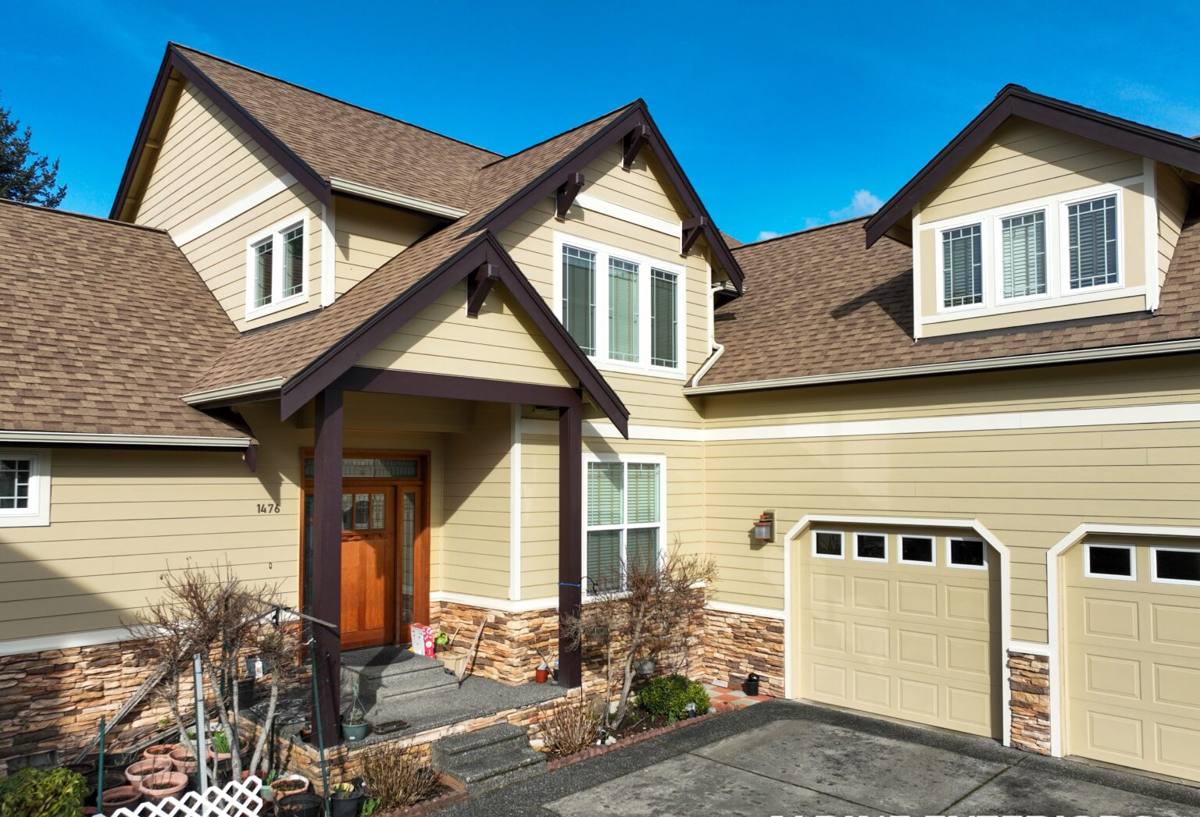
What Salt Air, UV, and Wind-Driven Rain Actually Do to Siding
It helps to understand the specific mechanisms at work, because they're different from what siding faces in most of the country.
Salt Air
Airborne salt is corrosive to metal fasteners, trim accessories, and any exposed hardware, and it accelerates the breakdown of lower-grade coatings and finishes. On a barrier island, salt exposure isn't occasional — it's a constant, low-level presence in the air that settles on every exterior surface, including the siding itself.
UV Intensity
Pinellas County gets a very high number of full-sun days per year. UV breaks down pigments and resins in cheap paint finishes, which is why siding with an inferior factory finish tends to fade, chalk, or streak years ahead of schedule in this part of Florida compared to siding installed further north.
Wind-Driven Rain
Storms here rarely deliver rain straight down. Gulf-fed systems push rain sideways, driving water into every lap, seam, and penetration in a wall assembly. Siding that isn't installed with correct overlaps, clearances, and flashing will let that water behind the cladding, where it causes rot, mold, and structural damage that isn't visible until it's serious.
Hurricane-Force Wind Loads
Redington Beach falls within Florida's high-velocity wind zones. Siding here has to resist uplift and lateral wind pressure without fastener pull-through or panel failure — and it has to keep doing that after repeated storm seasons, not just pass an initial inspection.
Why We Install Only James Hardie Fiber Cement
Our company made a deliberate decision not to install every siding product on the market. We don't install vinyl, LP SmartSide, Cemplank, Allura, primed spruce, or cedar. That's not a marketing position — it's a standard we hold because of what we've seen these products do (or fail to do) in coastal Pinellas County conditions specifically.
- Vinyl softens and can distort in sustained high heat, and it's more vulnerable to wind damage at the edges and fastening points in hurricane-force gusts.
- LP SmartSide and other wood-strand products rely on an engineered wood core. Any breach in the coating — from a nail split, a poor cut, or storm debris — gives moisture a path into a substrate that swells and deteriorates once wet.
- Primed spruce and cedar are natural wood products that need ongoing repainting and sealing to survive salt air and UV, and they're genuinely difficult to keep ahead of in this climate without a demanding maintenance schedule.
- Other fiber cement brands (Cemplank, Allura) are legitimate fiber cement products, but we've standardized on Hardie specifically for its factory finish system, product engineering, and warranty structure, discussed below.
James Hardie fiber cement is non-combustible, dimensionally stable, and doesn't have a wood or foam core to trap moisture if the surface is compromised. It's engineered specifically for humid, high-UV, coastal climates through Hardie's "HZ5" product designation, which is what we specify for Redington Beach installations.
ColorPlus Finish: Why the Factory Coating Matters More Here Than Elsewhere
One of the biggest differences between a siding job that looks good for two years and one that looks good for two decades is the finish, not just the board underneath it. Hardie's ColorPlus technology is a factory-applied, baked-on finish process, applied under controlled conditions rather than sprayed or brushed on-site. In a market like Redington Beach, where UV exposure and salt air both work to break down lesser coatings, that factory finish is doing real work every single day. It's also backed by its own finish warranty, separate from the substrate warranty — which matters, because fading and coating failure are the most common visible complaints with lower-grade siding on the coast.
What a Correct Fiber Cement Installation Involves
Fiber cement siding is only as good as the installation behind it. A huge share of the siding failures we get called out to inspect in coastal Pinellas County trace back to installation shortcuts, not the product itself. On a barrier island home, the margin for error is smaller than inland, because any mistake gets tested by wind and water sooner and harder.
Moisture Management Behind the Cladding
Correct installation starts with a weather-resistant barrier and properly integrated flashing at every window, door, and penetration — installed so water that gets behind the first layer of defense still has a path back out, rather than getting trapped against the sheathing.
Fastening for Wind Zones
Fastener type, spacing, and placement all have to match the wind zone the home sits in, not a generic national default. Under-fastened or incorrectly placed nails are one of the most common causes of panel failure in wind events.
Clearances and Gaps
Fiber cement needs proper clearance from grade, roof lines, decks, and other siding terminations, plus small expansion gaps at butt joints and trim. Installers who caulk everything tight to save time actually set the assembly up to trap water instead of shedding it.
Caulking and Sealant Selection
Not all sealants hold up to Gulf coast UV and salt exposure. The wrong caulk shrinks, cracks, or fails within a few seasons, which reopens exactly the gaps it was meant to close.
Corrosion-Resistant Hardware
Anywhere metal is used — fasteners, flashing, trim accessories — it needs to be rated for coastal/salt-air exposure. Standard hardware corrodes far faster this close to open water.
Our Process on a Redington Beach Job
Every home on the island is a little different depending on lot exposure, age, and prior siding condition, so we don't run a one-size-fits-all process. Here's what a typical job looks like from first contact to finished wall.
- On-site evaluation: we walk the exterior, check the existing wall assembly, and note wind exposure, drainage patterns, and any moisture issues already present.
- Product and profile selection: we specify the correct Hardie HZ5 product line, plank profile or panel style, and ColorPlus finish to match the home's design and the owner's preference.
- Tear-off and substrate check: old siding comes off and the sheathing underneath gets inspected — this is often when hidden moisture damage from a prior installation surfaces, and it gets addressed before anything new goes on.
- Weather barrier and flashing installation: this is the step that determines whether the wall stays dry for the next 20+ years, and we don't rush it.
- Siding installation to spec: correct fastening, clearances, and joint treatment for the local wind zone.
- Final walkthrough: we go over the finished job with the homeowner before calling it complete.
How Fiber Cement Compares to Other Options in This Environment
| Factor | James Hardie Fiber Cement | Vinyl | Wood-Strand / Engineered Wood |
|---|---|---|---|
| Salt air resistance | Strong — non-combustible cement composite | Moderate — can degrade faster in coastal salt exposure | Weak if coating is breached |
| UV / fade resistance | Strong with factory ColorPlus finish | Moderate — can fade or chalk over time | Depends entirely on paint maintenance |
| Hurricane wind performance | Strong when installed to wind-zone spec | Weaker at edges/fastening points in high gusts | Moderate, sensitive to moisture-related weakening |
| Moisture behavior if breached | Cement composite, does not swell or rot | Not typically the failure point | Core swells, rots if moisture intrudes |
| Maintenance burden | Low — no repainting required with ColorPlus | Low, but limited repair/color options | Higher — ongoing sealing/repainting |
Cost Factors for a Redington Beach Fiber Cement Job
Every quote depends on the specific home, but these are the variables that most affect price on barrier island properties:
| Factor | Why It Affects Cost |
|---|---|
| Tear-off complexity | Multiple layers of old siding or hidden damage add labor |
| Substrate repair | Rot or moisture damage found during tear-off must be fixed before new siding goes on |
| Home size and wall complexity | More corners, dormers, and trim details increase labor time |
| Product line and profile | Plank width, panel style, and finish options carry different material costs |
| Access and site conditions | Narrow lots, elevated homes, and limited staging area affect crew efficiency |
Maintenance Checklist for Homeowners After Installation
Fiber cement with a factory finish is low-maintenance, not zero-maintenance. A short annual routine goes a long way on a barrier island home:
- Rinse salt residue off exterior walls periodically with a garden hose, especially after storms
- Inspect caulking at trim and joints once a year and flag any cracking or separation
- Keep irrigation heads and sprinklers from spraying directly on siding long-term
- Trim vegetation back from walls to maintain airflow and reduce trapped moisture
- Watch for staining or discoloration near roof lines and gutters, which can signal a drainage issue rather than a siding problem
- Have any impact damage from storm debris inspected and repaired promptly rather than left open to moisture
Why Hiring a Crew That Already Works This Coastline Matters
Siding installation isn't identical everywhere in Florida, let alone everywhere in the country. A crew that mostly works inland jobs may not default to coastal wind-zone fastening schedules, salt-air-rated hardware, or the flashing details that matter most a few blocks from open water. A crew with real experience on Pinellas County barrier islands already knows the failure points specific to this environment because they've seen them — on tear-offs, on repair calls, and on jobs done right the first time. That experience shows up in details that aren't visible on the surface but determine whether the siding is still performing correctly in fifteen years.
If you're considering fiber cement siding for a home in Redington Beach, we're happy to walk the property, look at what you're working with, and give you a straightforward, no-pressure estimate using the form below.