 Seminole Siding
 Why Redington Shores Homes Need a Different Approach to Windows
Redington Shores sits on a barrier island strip along the Gulf, which means the windows on these homes work harder than windows almost anywhere else in Pinellas County. You've got salt-laden air rolling in off the water every day, intense UV exposure nearly year-round, wind-driven rain that finds its way into any gap a standard installation leaves behind, and the real possibility of hurricane-force winds during storm season. A window that's "fine" inland can fail fast a few blocks from the beach.
"Energy-efficient" on a barrier island isn't just about a lower electric bill, though that matters too. It's about a window package and installation method that can shrug off salt corrosion, resist UV degradation of seals and frames, keep wind-driven rain out during a squall, and hold up structurally when a named storm comes through. Get any one of those wrong and you're looking at fogged glass, soft frames, or water intrusion within a few years instead of a couple decades.
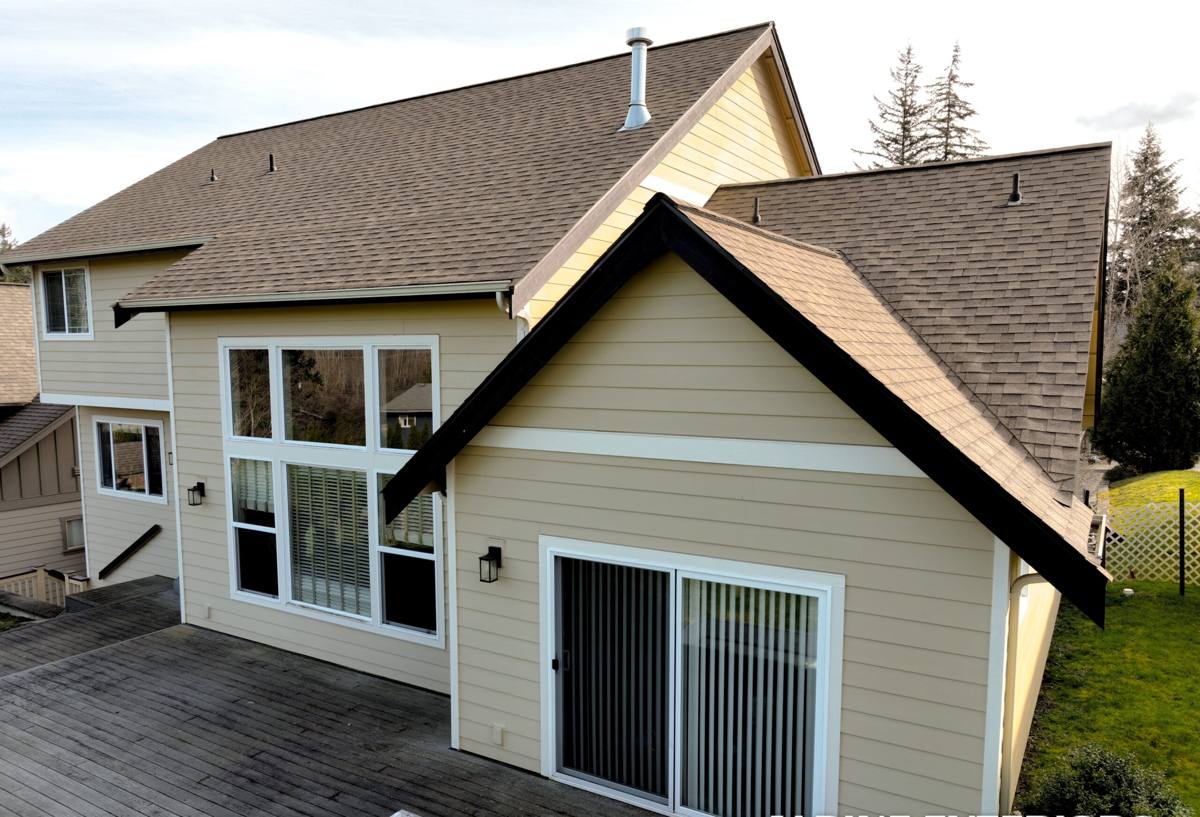
What "Energy-Efficient" Actually Means Here
Inland, energy efficiency is mostly about insulation value and keeping conditioned air where it belongs. On the coast, that's still true, but it's layered on top of impact resistance and weatherproofing requirements that Pinellas County's building code treats seriously because of hurricane exposure. A well-specified window for a Redington Shores home is doing several jobs at once:
- Blocking solar heat gain so west and south-facing rooms don't turn into ovens by mid-afternoon
- Maintaining a tight seal against wind-driven rain during tropical storms and heavy summer downpours
- Resisting corrosion from salt air on hardware, frames, and fasteners
- Meeting or exceeding wind load and impact requirements for the coastal zone
- Reducing UV transmission that fades flooring, furniture, and window treatments
A window that only checks the energy-efficiency box and ignores the coastal-durability side of things will underperform here, no matter how good its lab-tested U-factor looks on paper.
Glass Package Basics
Most homes in this area do best with a Low-E, argon or krypton-filled dual-pane unit, often specified in an impact-rated laminated configuration. The Low-E coating reflects a meaningful share of solar heat before it ever gets into the house, which is the difference-maker for west-facing Gulf-side rooms that take direct afternoon sun. Laminated impact glass adds a plastic interlayer between glass panes that holds the unit together if it's struck by wind-borne debris — a real consideration this close to open water.
Frame Material Trade-Offs
| Frame Material | Salt Air Performance | Maintenance | Typical Fit for Redington Shores |
|---|---|---|---|
| Vinyl | Good — won't corrode or rust | Low | Solid choice for most homes, budget-friendly |
| Fiberglass | Excellent — very stable in heat and salt exposure | Low | Best long-term durability, higher upfront cost |
| Aluminum | Fair — prone to pitting/corrosion without proper coating | Moderate to high | Only with marine-grade coatings; we're selective here |
| Wood/wood-clad | Poor without heavy upkeep | High | Not recommended for direct coastal exposure — moisture and rot risk outweigh the look |
We steer most Redington Shores clients toward vinyl or fiberglass. It's not that other materials can't be made to work — it's that the maintenance burden and long-term risk in a direct salt-air environment make them a harder sell as an honest recommendation. Uncoated aluminum in particular tends to show pitting and hardware corrosion faster here than it would ten miles inland.
What a Correct Installation Involves
The window unit itself is maybe half the equation. The other half — and the part that actually determines whether you get problems in year three or performance for twenty years — is the installation. This is where a lot of coastal window jobs go wrong, and it's rarely the product's fault.
Flashing and Water Management
Wind-driven rain doesn't fall straight down — it gets pushed sideways and upward under eaves and around openings. Proper installation means correctly lapped flashing tape and a drainage plane that sheds water outward even under wind pressure, not just a bead of caulk around the trim. Caulk alone is a maintenance item, not a water barrier; it fails first, especially with UV breakdown in constant Florida sun.
Fastener and Hardware Selection
Standard steel fasteners corrode fast in salt air. Coastal installs call for stainless or coated fasteners rated for that exposure, along with matching hardware — hinges, locks, and cranks — so you're not fighting seized or rusted components a few seasons in.
Sealant Choice and Placement
Sealants have to handle UV exposure and thermal movement without cracking or pulling away from the frame. We use products rated for exterior coastal exposure and apply them as a secondary seal behind proper flashing — not as the primary defense against water intrusion.
Structural Anchoring for Wind Load
Impact-rated glass only performs to spec if the frame is anchored to meet the wind load requirements for the structure and its exposure category. That means the right fastener spacing, embedment depth, and anchor type into the actual substrate — block, wood frame, or otherwise — not just "however many screws fit."
Our Process for a Redington Shores Window Job
- On-site assessment — We look at current window condition, frame material, sun exposure by elevation, and any existing signs of water intrusion or seal failure before recommending anything.
- Product and glass package selection — Based on exposure, budget, and whether the home needs impact-rated glass to meet current code for its zone, we walk through realistic options — not a one-size-fits-all pitch.
- Accurate measurement and ordering — Coastal homes often have settling or slightly out-of-square openings from age and storm history; we measure for the actual opening, not the nominal size.
- Removal and prep — Old units come out carefully to protect surrounding stucco or siding, and we inspect the opening for hidden rot or water damage before anything new goes in.
- Flashing, sealing, and setting the unit — This is the step that actually determines long-term water performance, done to manufacturer spec and local code requirements.
- Fastening and anchoring to wind load spec — Verified against the requirements for the home's exposure category.
- Final seal, cleanup, and walkthrough — Operation check on every window, exterior cleanup, and a plain-English explanation of care going forward.
Cost Factors Homeowners Should Understand
Every Redington Shores job prices out differently based on a few real variables, and it's worth understanding them before you're comparing quotes:
| Factor | Why It Moves the Price |
|---|---|
| Impact rating requirement | Laminated impact glass and reinforced framing cost more than standard dual-pane but reduce or eliminate the need for separate storm shutters |
| Number and size of openings | More glass area and larger openings mean more material and labor |
| Frame material | Fiberglass typically runs higher than vinyl; both outperform uncoated aluminum in this environment |
| Existing opening condition | Rot, settling, or prior water damage found during removal adds repair scope before the new unit can go in |
| Access and elevation | Second-story or hard-to-reach openings take more labor time |
Broad ballpark: a straightforward vinyl or fiberglass impact-rated window replacement runs into the low-to-mid thousands per opening depending on size and glass package, with whole-house jobs scaling from there. Anyone quoting a firm number without seeing the home and openings in person is guessing — we don't do that.
Why Local Experience on This Stretch of Coast Matters
A crew that mostly works inland Pinellas or Hillsborough jobs isn't necessarily wrong about windows in general — but they may not have hands-on experience with what a direct Gulf-front exposure actually does to hardware, sealants, and frames over a few years. Working regularly in Seminole and the surrounding beach communities like Redington Shores means we've seen which combinations of product and installation method actually hold up here, and which ones look fine on day one and start showing problems by year two or three.
It also means we're familiar with the local permitting and wind-load requirements that apply to this coastal zone, so inspections don't turn into a back-and-forth. That local familiarity saves time and avoids surprises during the job.
Signs Your Current Windows Are Underperforming
- Visible fogging or condensation between panes (seal failure)
- Frames that feel soft, chalky, or show corrosion staining around hardware
- Noticeable draft or temperature difference near the window on windy days
- Water staining on interior sills or drywall below windows after storms
- Difficulty opening, closing, or locking due to swollen frames or corroded hardware
- Noticeably higher cooling costs in rooms with older, single-pane, or aluminum-framed windows
Any one of these is worth a look. Several together usually means the windows are past the point where sealing or minor repair makes sense, and replacement is the more honest recommendation.
Getting Started
If you're weighing whether it's time to replace windows on a Redington Shores property — whether it's one problem window or a full-house upgrade — we're glad to come take a look, explain what we're seeing, and put together a straightforward, no-pressure estimate. There's no obligation, and you'll get options that actually fit this specific stretch of coastline rather than a generic recommendation. Reach out using the form below to get started.