 Seminole Siding
 Redington Sits Where Florida's Weather Hits Hardest
Redington's homes sit close to the Gulf, just west of Seminole in Pinellas County, which means they take on a combination of stresses that inland homes rarely see all at once. Salt-laden air corrodes fasteners and trim faster than it does even a few miles inland. Wind-driven rain during summer storms and hurricane season pushes water sideways into seams and joints that were never designed to shed water from that angle. Year-round UV exposure bakes paint and caulk brittle long before a homeowner notices a problem by eye. When a siding repair is needed here, it's rarely just one thing — it's usually the cumulative effect of several of these factors working on the same wall for years.
That's the context that matters when you're deciding how to repair a section of siding on a Redington or Seminole home. A patch that would hold up fine in a drier, calmer climate can fail again within a season or two here if it doesn't account for what this specific stretch of coastline does to a house.
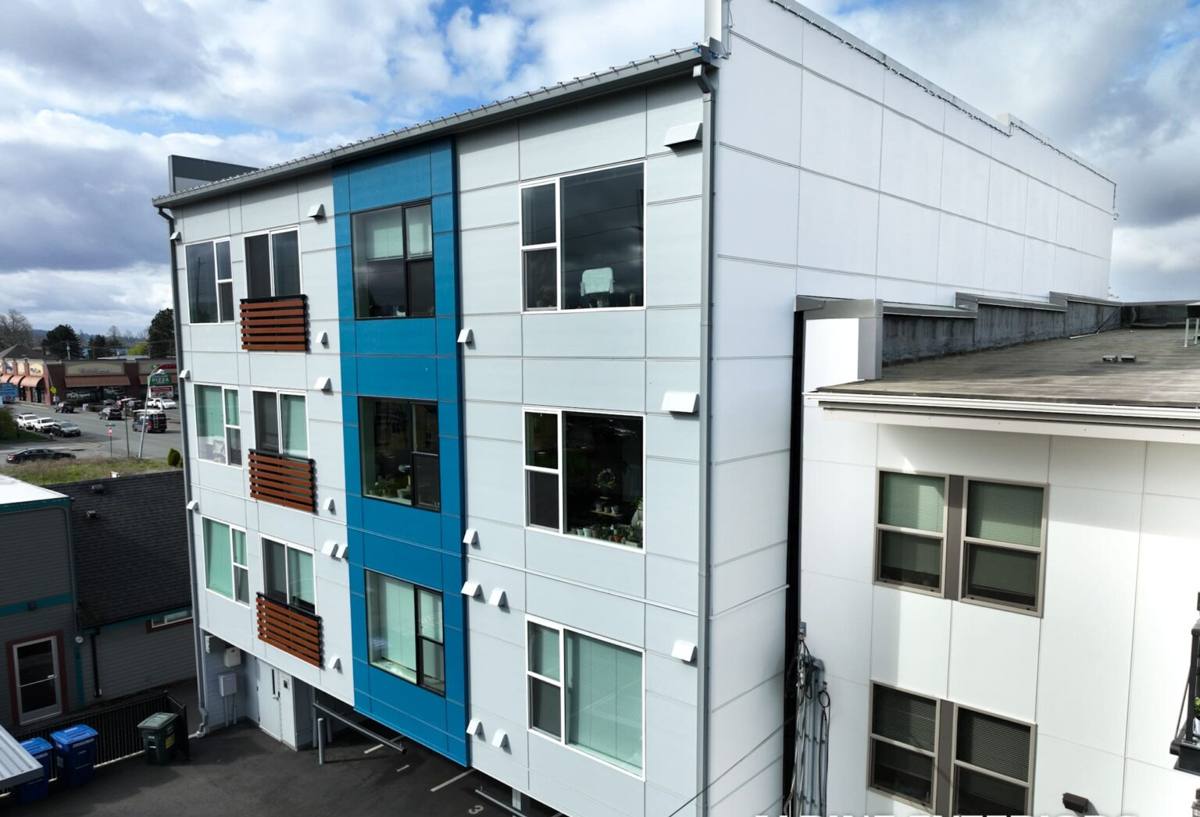
What Siding Repair Actually Looks Like on These Homes
Most repair calls we get in this area fall into a handful of recognizable categories:
- Cracked or buckled boards, often near corners or below rooflines where wind pressure concentrates
- Soft, spongy, or delaminating panels — a sign moisture has already gotten behind the surface
- Nail pops and popped fasteners from repeated wind flex and thermal cycling in the Florida sun
- Gaps opening up at trim boards, window casings, and butt joints as caulk ages and shrinks
- Staining or discoloration that tracks moisture paths rather than just dirt
- Rust bleed at fastener heads, more common this close to salt air
Some of these are cosmetic annoyances. Others are early warning signs of water getting where it shouldn't. Telling the difference is the actual skill in a repair — not just replacing what's visibly broken.
The Part of the Repair Most Homeowners Never See
A cracked board is the symptom you can see. The real question is what's happening behind it. On a coastal property, wind-driven rain doesn't just fall — it gets forced sideways and upward into gaps, and if the water-resistive barrier (the house wrap or building paper behind the siding) has a tear, a poorly lapped seam, or bad flashing at a window or door, water has been getting into the wall assembly long before the siding itself showed damage.
A repair that only addresses the visible board and ignores the barrier underneath is a repair that fails again — often faster the second time, because the sheathing behind it has already started absorbing moisture. This is the single biggest difference between a repair that lasts and one that's just a cosmetic fix with a short clock on it. Any legitimate siding repair on a Redington home should include pulling back enough material to actually look at what's behind the damaged section, not just swapping boards and re-caulking.
Why We Only Patch With James Hardie Fiber Cement
We install and repair exclusively with James Hardie fiber cement siding, and that standard applies to repair work too. It's a deliberate decision, not a default. Fiber cement doesn't absorb water the way wood-based products can, doesn't support insect activity, and is non-combustible — all of which matter more on a home that's already dealing with a wet, salty, high-UV environment. We don't install vinyl, LP SmartSide, Cemplank, Allura, or primed wood siding, and we won't patch a Hardie wall with a different product just because it's what's on hand. Mixing materials on a repair creates mismatched expansion rates, different moisture behavior at the seams, and a patch that visibly ages differently than the surrounding wall.
When the existing siding on a Redington property is already Hardie, a repair is usually a clean match: same board profile, same reveal, and if it's ColorPlus factory-finished, we match the finish so the repaired section doesn't stand out as an obvious patch. When the existing siding is a different product and it's failing, we'll say so plainly and give an honest read on whether a repair is worth doing at all versus starting the transition to Hardie one section, or one project, at a time.
Our Repair Process
1. Inspection and moisture check
We start by identifying every area showing damage, not just the spot the homeowner called about, and check moisture levels behind the surface where we can. Damage on a coastal wall rarely stays isolated to one board.
2. Diagnose the cause, not just the symptom
Failed caulk joint, damaged flashing, a gap in the water-resistive barrier, wind stress at a corner — we identify what let water or wind damage in before we close anything back up.
3. Repair the barrier first
Any compromised house wrap, flashing, or sheathing gets addressed before new siding goes back on. This step gets skipped by repair crews that are trying to move fast, and it's the step that determines whether the repair lasts.
4. Match and install to Hardie's spec
Correct fastener type and placement, proper joint treatment, and correct clearances at grade and roofline — all per James Hardie's installation requirements, which exist specifically because getting these details wrong is what causes premature failure in a climate like this one.
5. Finish and inspect
Caulking, paint touch-up or ColorPlus match, and a final check that the repaired section sheds water the way the rest of the wall does.
Repair or Replace: How to Think About It
Not every damaged section needs a full wall replacement, and not every "repair" is actually worth doing. Here's the general framework we use when we're standing in front of a Redington home:
| Situation | Usually Repair | Usually Replace (at least that wall/elevation) |
|---|---|---|
| Damage limited to 1-3 boards, barrier intact underneath | Yes | No |
| Moisture staining traced to a single flashing failure | Yes, once flashing is fixed | No |
| Soft or delaminating panels across multiple boards | No | Yes |
| Siding is a non-Hardie product already failing broadly | Rarely worth it long-term | Yes |
| Damage concentrated on the Gulf-facing or storm-exposed side only | Sometimes | Often, if underlying wear is widespread |
| Home is due for repainting/refinishing anyway | Consider combining with replacement | Often more cost-effective |
We'll walk you through where your situation actually falls rather than defaulting to the bigger job. A well-diagnosed repair on sound Hardie siding is a legitimate, lasting fix — we're not trying to upsell a full re-side when a targeted repair will do the job.
Why Local Experience in This Area Actually Matters
Seminole and the surrounding Pinellas County coastal communities, including Redington, fall under Florida's High-Velocity Hurricane Zone-adjacent wind requirements, and permitting expectations here reflect that. A crew that regularly works this stretch of coastline knows the wind-load and fastening requirements that apply to homes this close to the Gulf, knows how salt exposure accelerates fastener corrosion compared to a few miles inland, and has already seen how water tends to find its way into these specific home types and wall assemblies. That familiarity shows up in smaller, practical ways — knowing where to look first, knowing which repairs tend to recur if done wrong, and being able to give a homeowner a straight answer about what's actually going on instead of a generic diagnosis.
A Simple Checklist Before You Call Anyone
- Note which side of the house the damage is on (Gulf-facing sides typically take more wind-driven rain)
- Check for soft spots by gently pressing on the siding near the damaged area, not just at the visible crack
- Look at nearby caulk joints and trim for cracking or gaps
- Check for staining on interior walls or ceilings near the exterior damage — a sign water has already tracked inward
- Photograph the damage now so you have a record of how it looked before any repair work starts
- Ask any contractor you're considering whether they'll inspect behind the siding, not just replace what's visible
Keeping a Repair From Becoming a Repeat Call
After a repair, a few habits go a long way on a coastal Seminole-area home: rinse accumulated salt residue off the siding periodically, keep an eye on caulk joints at trim and window edges since they're usually the first thing to give, and have the property looked at after any major named storm even if nothing looks obviously wrong. Wind-driven rain can force water into a compromised joint without leaving visible exterior damage until it's already done interior harm.
If you're seeing damage, staining, or soft spots on your Redington or Seminole home's siding, we're happy to take a look and give you a straight, no-pressure assessment of what's actually going on and what it would take to fix it right. Fill out the form below for a free estimate.