 Seminole Siding
 Fiber Cement Siding for Ridgecrest Homes
Ridgecrest sits inside Seminole, in a stretch of Pinellas County where every exterior surface on a house is working against the same three things year-round: salt-laden air off the Gulf and Tampa Bay, relentless UV exposure, and wind-driven rain that doesn't politely stay vertical during a storm. Siding here isn't just a cosmetic choice — it's the first line of defense for the wood framing, sheathing, and insulation behind it. We install James Hardie fiber cement siding exclusively, and this page walks through what that looks like specifically for a Ridgecrest home: what the climate demands, what a correct installation actually involves, and how our process runs from first look to final walk-through.
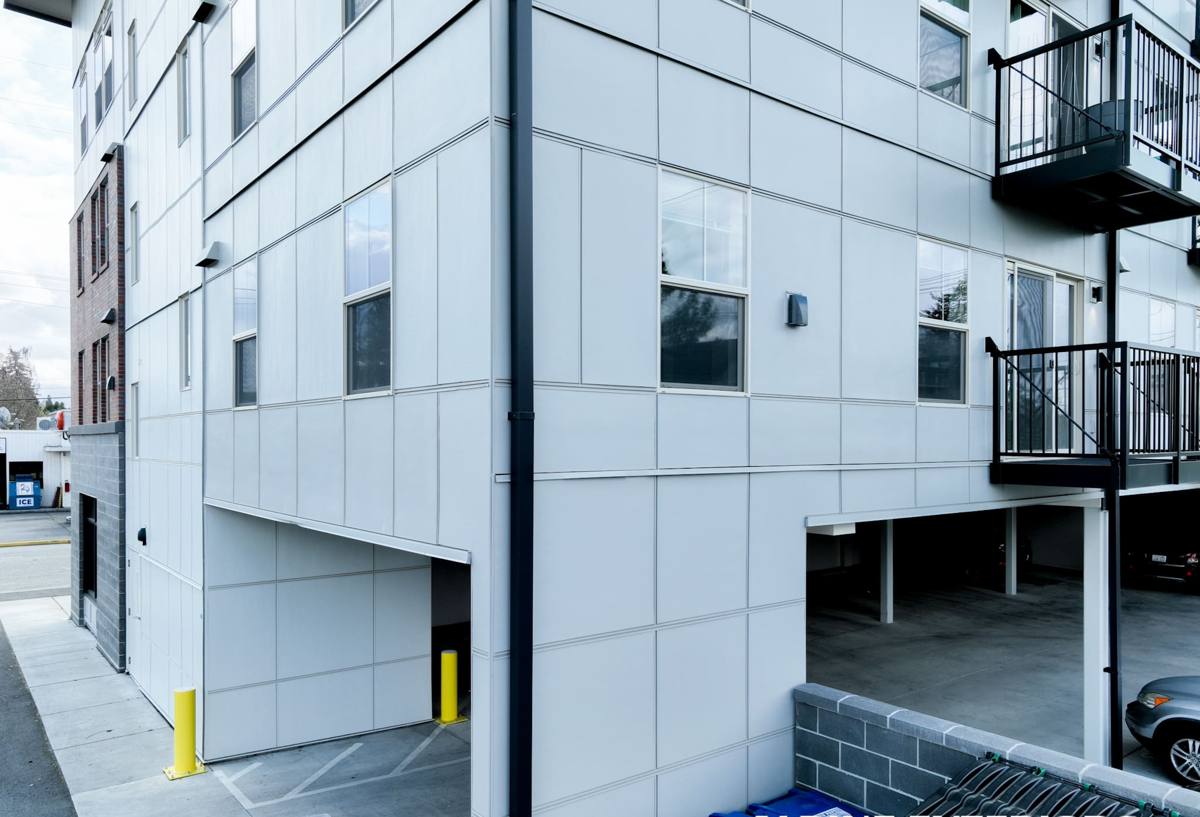
What Ridgecrest's Climate Actually Does to Siding
Seminole is close enough to open water that airborne salt is a constant, not an occasional event. Salt is corrosive to metal fasteners and trim accessories, and it accelerates the breakdown of coatings that aren't formulated to resist it. Combine that with Florida's UV load — among the highest in the continental U.S. — and you get a one-two punch: salt attacks hardware and finish integrity while UV bakes and fades anything with a weak topcoat. Add wind-driven rain during summer storms and the occasional hurricane threat, and you have moisture actively being pushed sideways and upward into seams, laps, and penetrations that a calmer climate would never test.
This is why generic siding advice doesn't hold up well in Pinellas County. A product or installation detail that performs fine in a mild inland climate can fail here in a fraction of the time. Ridgecrest homes need a siding system engineered for this specific combination of stressors, installed by a crew that treats the Gulf Coast climate as the baseline, not the exception.
Why This Matters More Near the Coast
The further a home sits from open water, the more that salt exposure tapers off — but Ridgecrest, like most of Seminole, doesn't get much of a break on that front. Homes here should assume coastal-grade exposure for planning purposes: corrosion-resistant fasteners, a factory finish rated for UV and salt, and installation details that don't leave water anywhere to sit.
Why We Install Only James Hardie Fiber Cement
We don't install vinyl, LP SmartSide, primed wood, cedar, or other fiber cement brands. That's a deliberate standard, not a sales pitch. Fiber cement from James Hardie is non-combustible, dimensionally stable in heat and humidity swings, and available in HZ5 formulations engineered for high-humidity, storm-prone climates like ours. The ColorPlus factory finish is baked on under controlled conditions and backed by a finish warranty separate from the product warranty — which matters in a climate where UV and salt are actively working to strip color and integrity off of lesser coatings.
We've made the call that installing anything else on a Ridgecrest home means putting our name behind a product we don't fully trust to hold up here. Hardie isn't the cheapest option on the market, but it's the one we're willing to warranty our workmanship against.
What Ridgecrest Homeowners Are Often Comparing Against
| Material | Common Issue in This Climate | Why We Pass on It |
|---|---|---|
| Vinyl siding | Warps and fades under sustained UV; can crack in wind gusts and impacts | Not rated for the wind and heat combination we see locally |
| LP SmartSide (engineered wood) | Vulnerable to moisture intrusion at cut edges and laps if not perfectly sealed | Wood-based core carries more moisture risk near salt air and driven rain |
| Primed wood/cedar | Requires frequent repainting and caulking; rot risk at joints | High maintenance burden isn't realistic for most owners long-term |
| Other fiber cement brands | Varying HZ engineering and finish warranty terms | We standardized on Hardie's climate-specific product line and warranty structure |
| James Hardie fiber cement | Requires correct installation per manufacturer spec | What we install — non-combustible, UV- and salt-resistant factory finish, HZ5 engineering |
What a Correct Installation Involves
Fiber cement siding is only as good as the installation behind it. Most siding failures we see on inspection in this area trace back to installation shortcuts, not the material itself. For a Ridgecrest home, the details below aren't optional extras — they're what keeps water out and the warranty valid.
Water Management Comes First
- A properly lapped weather-resistant barrier (house wrap) installed before any siding goes up
- Flashing at every window, door, and roofline intersection, integrated shingle-style with the wrap so water sheds outward, not behind the siding
- Rainscreen or furring strategy where conditions call for it, giving the wall assembly a way to drain and dry
- Proper caulking only where Hardie's install guide specifies it — over-caulking traps moisture as often as it keeps it out
Fastening and Clearances
- Corrosion-resistant, hot-dipped galvanized or stainless fasteners — a non-negotiable in salt air, matching Hardie's fastener spec
- Correct fastener placement and depth (not overdriven, not underdriven) so panels can move slightly with humidity and temperature without cracking
- Minimum clearance from grade, roof lines, and decks per Hardie's published requirements, so splash-back and ponding don't sit against the bottom course
- Proper joint treatment at butt joints and inside/outside corners using Hardie-approved trim and sealant systems
Our Process for a Ridgecrest Project
The steps below are the same sequence we follow on every Ridgecrest job, adjusted for the specific home's exposure and existing wall condition.
1. On-Site Assessment
We walk the exterior, check the current siding and sheathing condition where accessible, note problem areas (rooflines, window returns, low clearance spots), and talk through which Hardie product line and profile fits the home — lap siding, board-and-batten, or a shingle-style accent, depending on what the house calls for.
2. Tear-Off and Substrate Check
Old siding comes off and we inspect the sheathing underneath for rot or moisture damage before anything new goes up. In a climate this humid, catching hidden water damage early is often the most valuable part of a re-side — it's a lot cheaper to fix at this stage than to discover later.
3. Weather Barrier and Flashing
This is the step that determines whether the siding lasts 30-plus years or fails early. We install and lap the weather-resistant barrier correctly, flash every penetration, and don't move forward until the water management layer is right.
4. Siding Installation to Manufacturer Spec
Panels or planks go up following James Hardie's fastening schedule, clearance requirements, and joint details — not shortcuts that speed up the job but compromise the warranty or the wall's ability to handle wind-driven rain.
5. Trim, Caulk, and Final Details
Corner trim, window and door trim, and any accent details get finished, sealant is applied only where specified, and the job gets a final walk-through against our own checklist before we call it done.
6. Cleanup and Walk-Through
Site is cleaned, debris hauled, and we walk the finished exterior with the homeowner to confirm everything matches what was scoped.
What Drives Cost on a Ridgecrest Home
Every home is different, so we won't quote broad numbers here that don't mean much without seeing the house. What we can tell you is what actually moves the price on a project like this:
| Cost Factor | Why It Matters |
|---|---|
| Home size and wall complexity | More corners, dormers, and roof intersections mean more flashing and trim labor |
| Existing substrate condition | Rotted sheathing found during tear-off adds repair scope before siding can go up |
| Siding profile chosen | Lap, shingle-style, and board-and-batten carry different material and labor costs |
| Trim and accent details | Custom corner boards, window trim upgrades, and accent bands add labor time |
| Access and site conditions | Tight lot lines, fencing, or landscaping near the house can slow staging and installation |
Why Hire a Crew That Already Works Ridgecrest
Siding installation isn't uniform across Florida, let alone across the country. A crew that installs mostly inland or in a different climate zone may not default to HZ5-rated products, coastal fastener specs, or the flashing details that matter most where wind-driven rain and salt air are a given. Working regularly in Seminole and the surrounding Pinellas County neighborhoods means we're not guessing at exposure conditions or relearning local wind and moisture behavior on your dime — we're applying what we already know holds up here.
It also means we're a known quantity locally: reachable for warranty questions, familiar with the permitting expectations in the area, and not disappearing after the invoice clears. That local accountability is worth factoring in alongside the material choice itself.
Signs Your Ridgecrest Home May Need Siding Attention
- Visible warping, bubbling, or cracking on current siding panels
- Soft spots or discoloration near the bottom courses or window sills
- Paint or finish that's chalking, fading unevenly, or peeling faster than expected
- Gaps opening up at trim, corners, or butt joints
- Musty smell or visible staining on interior walls that back up to exterior siding
- Siding that's original to a home built more than 20-25 years ago with no known replacement
None of these automatically mean a full re-side is needed, but any of them are worth a professional look before the next storm season tests the wall assembly further.
Maintaining Hardie Siding in a Coastal Climate
Fiber cement is low-maintenance compared to wood or vinyl, but "low-maintenance" doesn't mean "no maintenance" in a salt-air environment. A periodic rinse to clear salt residue and airborne debris, prompt attention to any caulking that starts to separate, and keeping gutters and downspouts functioning so water isn't sheeting down the wall all go a long way toward getting the full lifespan out of the installation. We're happy to walk homeowners through what to watch for after the job is done.
If you're in Ridgecrest or elsewhere in Seminole and thinking about your siding — whether it's showing damage, aging out, or you're just planning ahead — we'll come take a look and give you a straightforward, no-pressure estimate. Fill out the form below to get started.