 Seminole Siding
 Roof Repair Built for a Barrier Island Address
Redington Beach sits right on the Gulf, which means the roof over your head works harder than almost any inland roof in Pinellas County. Salt-laden air corrodes metal fasteners and flashing faster than fresh air ever would. Open, unobstructed wind exposure off the water puts more uplift pressure on shingles and roof edges than a roof surrounded by trees and other buildings ever sees. Add in Florida's relentless UV load and the sudden, wind-driven rain that shows up with almost every summer storm, and you have a roof system that ages differently than one three miles inland. Repairing a roof out here isn't just patching what's broken — it's understanding why it broke in the first place and fixing that too.
We're based in Seminole and work this stretch of the Pinellas County coastline regularly, which means we're not guessing at how a Gulf-front roof behaves. We've seen what a season of nor'easters and summer thunderstorms does to a roof deck, and we build our repairs to handle the next one, not just to look right today.
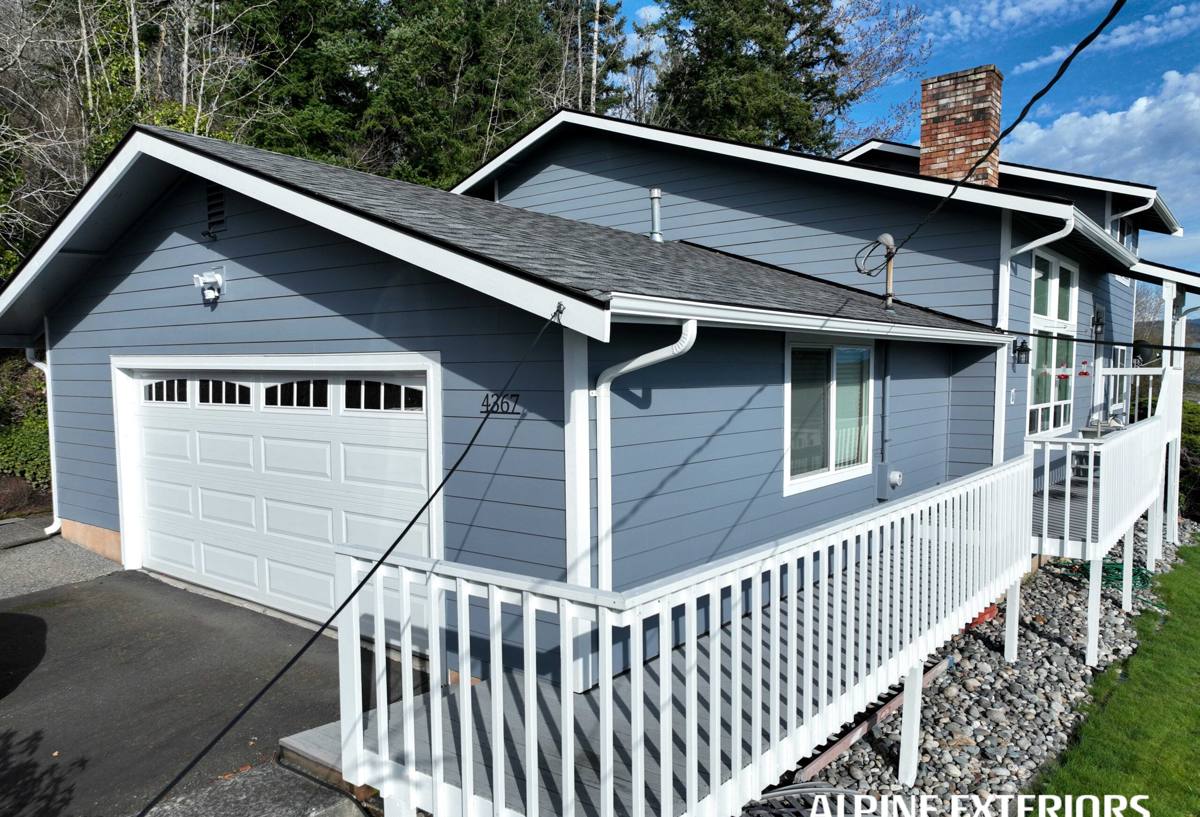
Why Roofs Fail Faster Near the Water
Wind Uplift and Edge Failure
Shingle roofs fail first at the edges — ridge caps, rakes, and eaves — because that's where wind gets underneath and starts lifting. On an open barrier island lot with little wind break, that uplift force is higher than manufacturers' standard testing often assumes for a typical suburban install. Once a few tabs lift and lose their seal, the next storm peels back more, and water starts finding its way under the roofing system.
Salt Air and Metal Corrosion
Salt air attacks exposed metal — nail heads, flashing, drip edge, vent boots with metal collars, and pipe boots. Corrosion here isn't cosmetic; a corroded nail loses holding strength, and rusted-through flashing stops shedding water the way it's supposed to. This is one of the biggest differences between repairing a roof in Redington Beach versus a roof further inland, and it changes what materials and fasteners we reach for.
UV Breakdown
Florida sun bakes asphalt shingles, drying out the oils that keep them flexible and accelerating granule loss. Granules are the shingle's sunscreen — once they're gone in a spot, that patch of shingle degrades faster than the rest of the roof, which is why you'll often see uneven wear rather than the whole roof aging at the same rate.
Wind-Driven Rain
Florida storms rarely come straight down. Wind-driven rain gets pushed sideways and upward under shingle tabs, around flashing, and into any gap that a calm-weather roof would never leak from. A repair that only addresses the spot where water is showing up inside the house — without checking how it's traveling to get there — tends to come back.
Common Repair Calls We See in Redington Beach
- Lifted or missing shingles along ridges, rakes, and roof edges after wind events
- Cracked or failed pipe boots and vent flashing letting water track down into the attic
- Rusted or lifting flashing at chimneys, walls, and roof-to-wall transitions
- Granule loss and brittle shingles from UV exposure, especially on south- and west-facing slopes
- Soft or stained ceiling spots that trace back to a small, ongoing leak rather than storm damage
- Nail pops and fastener backout from thermal cycling and corroded fastener heads
- Damaged or displaced ridge caps and hip caps
What a Correct Repair Actually Involves
A quick patch and a proper repair often look similar from the ground and cost very differently in how long they last. A correct repair starts with tracing the problem to its actual source, not just the spot where a stain shows up on the ceiling. Water can travel several feet along a rafter or roof deck before it drips somewhere visible, so the entry point and the damage point are frequently not the same location.
Once we've found the source, the repair itself typically involves removing the damaged materials down to a sound roof deck, checking the decking underneath for soft spots or rot, and replacing anything compromised before new roofing goes back on. We match shingle color and profile as closely as possible, tie new flashing and underlayment into the existing system correctly (not just caulked over), and reset fastener patterns to current wind-resistance practices rather than just copying what failed. A repair that skips the deck inspection or reuses corroded flashing is a repair that's likely to resurface within a year or two — especially out here.
Our Repair Process
- Inspection and diagnosis — We get on the roof (and in the attic when needed) to trace the actual leak path, not just treat the visible symptom.
- Written scope and estimate — You get a clear explanation of what failed, why, and what the repair involves, in plain language, before any work starts.
- Deck check — Damaged materials come off and we inspect the roof deck underneath for rot or soft spots before anything new goes back on.
- Repair and reinforcement — New underlayment, flashing, and shingles or roofing material go in, matched to your existing roof and installed with fastening appropriate for coastal wind exposure.
- Cleanup and walkthrough — We clear debris and nails from the property and walk you through what was done and what to keep an eye on.
Repair or Replace? How We Help You Decide
Not every roof problem needs a full replacement, and not every leak should be treated as "just a repair." The honest answer depends on the roof's age, how widespread the damage is, and how many times it's already been patched. Here's the general framework we use when we're standing on your roof:
| Situation | Repair usually makes sense | Replacement usually makes sense |
|---|---|---|
| Roof age | Under 12-15 years, otherwise sound | Nearing or past manufacturer's expected lifespan |
| Damage extent | Isolated to one area or slope | Spread across multiple slopes or recurring in different spots |
| Deck condition | Solid decking under the damaged section | Rot or soft decking found in multiple areas |
| Repair history | First or second repair on this roof | Third+ repair, or previous patches already failing |
| Storm damage | Localized wind or debris damage | Widespread uplift, exposed underlayment, or granule loss across the field |
We'll tell you straight if a repair is the right call or if you're better off putting that money toward a replacement instead of patching a roof that's on its last legs. Our goal is a roof that holds up, not the biggest invoice we can write.
Materials and Fasteners That Actually Hold Up Here
Given the salt air exposure this close to the Gulf, we lean toward corrosion-resistant fasteners and flashing rather than standard-grade materials that are fine inland but corrode faster in a coastal environment. That means hot-dip galvanized or stainless fasteners where appropriate, quality pipe boots designed to handle UV and heat rather than the cheapest option, and flashing details that are mechanically sound rather than dependent on sealant alone to stay watertight. Sealant has its place, but it's a backup, not the primary defense — a repair that relies mainly on caulk to keep water out is a repair that's going to need attention again soon.
Permits, Codes, and Insurance Considerations
Roof work in Pinellas County generally requires a permit once the scope goes beyond the most minor cosmetic fix, and code requirements around underlayment, fastening, and flashing exist specifically because of the wind and rain conditions this part of Florida deals with. We handle the permitting process on repairs that call for it, so you're not left figuring out county requirements on your own.
If your repair is related to storm damage, documentation matters for insurance purposes — clear photos, a written scope of the damage, and an itemized estimate. We provide that kind of documentation as a normal part of the job, which makes the claims process smoother whether you're filing now or just keeping records for later. It's also worth knowing that a wind mitigation inspection, which documents things like roof shape, deck attachment, and opening protection, can affect your windstorm insurance premium — it's a separate inspection from a repair, but if you haven't had one recently it's worth asking about.
Signs You Should Have Your Roof Looked At
- Missing, curling, or cracked shingles visible from the ground
- A ceiling stain that appears, disappears after drying, then comes back after the next rain
- Granules collecting in gutters or at downspouts in noticeable amounts
- Visible daylight or staining in the attic around vents, chimneys, or roof-to-wall junctions
- Shingles or ridge caps that shifted or lifted after a windstorm
- A musty smell in an upstairs room or closet with no obvious source
- Rust streaking below metal flashing or vent stacks
Catching any of these early is almost always cheaper than waiting. A small flashing leak addressed promptly is a repair; the same leak left through two more storm seasons can turn into deck replacement and interior drywall work.
Why Local Experience in Redington Beach Matters
A roofing crew that mostly works inland neighborhoods doesn't always account for how differently a barrier island roof ages. We work this part of Pinellas County regularly, so we already know to check flashing and fasteners for salt corrosion first, to expect more edge and ridge wear on Gulf-facing slopes, and to build repairs that account for the wind exposure a beachfront lot gets that an inland lot simply doesn't. That local familiarity means fewer surprises during the inspection and a repair that's sized correctly to what your roof is actually dealing with, not a generic checklist.
If you're seeing signs of roof trouble at your Redington Beach property, or you just want an honest opinion on whether a spot needs attention, we're glad to take a look. Reach out for a free, no-pressure estimate — use the form below and we'll get back to you with a straightforward assessment of what's going on and what it would take to fix it right.