 Seminole Siding
 Siding Repair Built for a Barrier Island, Not a Typical Suburb
Indian Shores sits on a narrow strip of land with the Gulf of Mexico on one side and the Intracoastal Waterway on the other. That geography is what makes the community desirable, and it's also exactly why siding here fails faster and in different ways than siding a few miles inland in Seminole or elsewhere in Pinellas County. A repair crew that mostly works subdivisions with a quarter-acre of buffer on every side doesn't see what barrier island homes see: salt aerosol landing on both faces of the house, wind that doesn't lose speed before it hits the wall, and humidity that rarely lets a wet seam fully dry out between storms.
This page is about one job, done right, for one kind of location: repairing siding on an Indian Shores home so the fix actually holds up to the next few years of Gulf weather instead of failing again in the same spot.
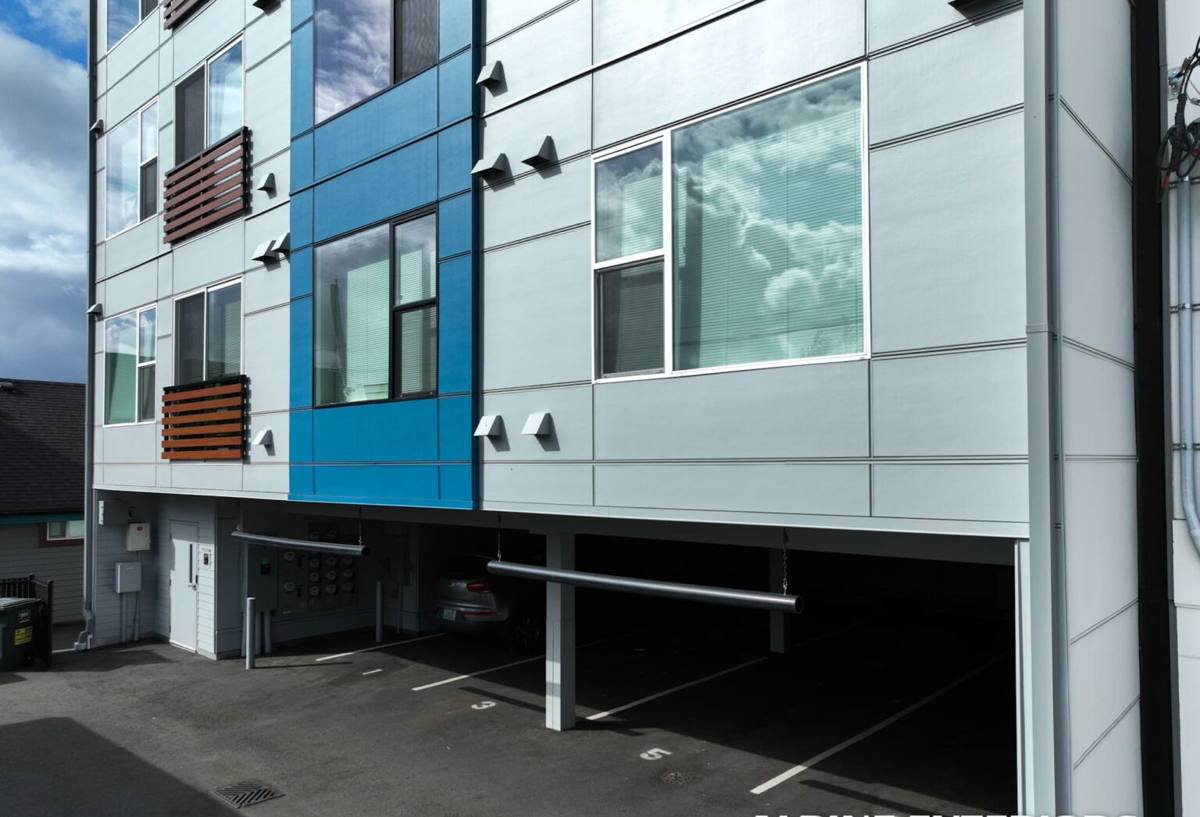
What Makes Siding Fail Faster on a Barrier Island
Salt Air, Constantly
On a barrier island, salt-laden air isn't an occasional coastal breeze — it's the daily environment. Salt accelerates corrosion of exposed fasteners, trim nails, and any metal flashing or hardware that isn't properly rated or protected. When fasteners corrode, they lose holding strength and can streak or stain the siding around them long before the siding itself is actually failing.
Wind-Driven Rain
Straight-down rain rarely causes siding problems. Rain that's being pushed sideways by sustained wind is a different story — it finds its way behind laps, around penetrations, and into any seam that wasn't sealed or flashed correctly the first time. Indian Shores gets more sideways rain, more often, than inland Pinellas County neighborhoods, simply because there's nothing to slow the wind down before it reaches the house.
Hurricane-Force Wind Loads
Every storm season, homes this close to open water take direct wind loading that inland homes are partially shielded from by other structures and tree cover. Wind doesn't just risk blowing panels off — repeated flexing and pressure cycling loosens fasteners and stresses joints even when nothing visibly fails during the storm itself.
Year-Round, High-Intensity UV
Florida sun is hard on any exterior material, but reflected sun off open water adds to the UV load a barrier island home absorbs. Cheap or unfinished siding surfaces chalk, fade, and become brittle years ahead of the same product installed a few miles inland.
Signs an Indian Shores Home Needs Siding Repair
Because of the combined stress of salt, wind, and sun, damage here often shows up as a cluster of small issues rather than one dramatic failure. Homeowners should watch for:
- Rust streaking or bleeding around nail heads or trim fasteners
- Soft, spongy, or discolored spots near the bottom courses or around window and door trim
- Panels or boards that have visibly shifted, cupped, or pulled away from the wall
- Cracked or open caulk joints at corners, trim, and penetrations
- Peeling or chalky paint film in patches rather than uniformly across the wall
- Visible gaps or lifted edges after a windstorm, even minor ones
- A musty smell or interior staining on a wall that backs up to a damaged exterior section
Any one of these on its own might just need a localized fix. Several appearing together, especially on the Gulf-facing or exposed side of the house, usually means moisture has been getting in for a while and the repair needs to start with finding out how far it's spread.
What a Correct Repair Actually Involves
A siding repair that's done right on a barrier island home is not just "pull the bad piece, nail up a new one." It has to answer a more basic question first: why did this spot fail while the rest of the wall didn't? Skipping that step is how the same repair ends up getting redone in two or three years.
Diagnose Before Cutting Anything
We check the extent of moisture intrusion behind the visible damage, not just at the surface. Water that got behind siding during wind-driven rain can travel and show up several feet from where it actually entered. We also check the condition of the water-resistive barrier and flashing underneath, since a repair over a compromised barrier just delays the same failure.
Match the Existing Material and Reveal
Repairs need to match the plank width, exposure (reveal), texture, and color of the existing siding, or the patch will be visible from the street and the transition point becomes its own weak spot. This matters even more with factory-finished fiber cement, where color consistency depends on using the correct product line and finish batch.
Fasten and Flash for the Local Wind Zone
Pinellas County's coastal areas, including barrier island communities like Indian Shores, fall under high-velocity wind zone requirements. Fastener type, spacing, and embedment aren't optional details — they're what keeps a repaired section from being the first thing that lets go in the next named storm.
Seal the Details, Not Just the Field
Most repeat failures happen at the same handful of spots: corners, butt joints, window and door trim, and penetrations for utilities or fixtures. A repair that only addresses the flat field of siding and treats these details as an afterthought is a repair that will need to be revisited.
Repair or Replace? What Actually Drives the Decision
Not every damaged section justifies a full re-side, and not every "small" repair is actually small once the wall is opened up. The honest answer depends on how far the damage extends and what's driving it.
| Factor | Points Toward Repair | Points Toward Replacement |
|---|---|---|
| Extent of damage | Isolated to one or two sections | Spread across multiple walls or elevations |
| Underlying barrier condition | Water-resistive barrier still intact | Barrier compromised or missing in affected areas |
| Age of existing siding | Well within expected service life | Nearing or past the end of its practical life |
| Material on the wall now | Fiber cement or another durable material in otherwise good condition | A product prone to recurring moisture or maintenance issues in this climate |
| Cause of failure | A single storm event or isolated installation defect | A systemic issue (bad flashing detail, wrong fasteners) repeated house-wide |
We'll tell you honestly which side of that table your home falls on. There's no advantage to us in talking a homeowner into a full re-side when a targeted repair will genuinely hold up — and no advantage in patching something that's going to keep failing.
Why We Repair With James Hardie Fiber Cement
This company installs and repairs only James Hardie fiber cement siding. We don't install vinyl, LP SmartSide, Cemplank, Allura, primed spruce, or cedar, and that standard applies to repair work as much as new installations. There are a few reasons that matter specifically for a barrier island home:
- Non-combustible material that doesn't contribute fuel in a wildfire or ember-exposure scenario
- ColorPlus factory finish that resists the fading and chalking that reflected coastal UV accelerates in field-painted materials
- HZ5 (HardieZone 5) formulation, engineered specifically for humid, high-moisture climates like Florida's Gulf Coast, resisting the swelling and softening that plain wood-based products can suffer with constant moisture exposure
- Long, transferable warranty backing both the product and the ColorPlus finish when installation follows manufacturer specifications
When we repair a section of Hardie siding, we can match it against the current ColorPlus product line with far more consistency than trying to patch a discontinued vinyl profile or a faded, field-painted wood product. That's a practical advantage for repair work, not just a sales point.
Why a Crew That Already Works Indian Shores Matters
Barrier island jobs have logistics that inland jobs don't. Access can be tighter, parking and staging space is often limited, and some properties are governed by condo or HOA rules about work hours, noise, and contractor access that a crew unfamiliar with the area has to learn on the fly. A crew that's already worked this stretch of the Gulf beaches knows the permitting expectations for Pinellas County's coastal wind zone, understands how to sequence a repair around tide and weather windows, and isn't guessing at what "correctly flashed for this climate" actually looks like in practice.
That experience shows up in small decisions during a repair — how a joint gets sealed, which fastener gets used at a corner, how a patch gets tied into existing flashing — that don't show up on an invoice but absolutely show up in whether the fix lasts.
Our Process for an Indian Shores Repair
- On-site inspection of the damaged area and a check of adjacent sections that see the same wind and rain exposure
- Moisture and barrier assessment to confirm how far intrusion has spread behind the visible surface
- Honest repair-vs-replace recommendation, explained in plain terms with the reasoning behind it
- Material matching against your existing Hardie product line, profile, and color
- Correct fastening and flashing to current wind-zone requirements, not just cosmetic patching
- Final check of the surrounding seams and details so the repair doesn't leave the next weak point untouched
After the Repair: Keeping It That Way
A correctly done repair still benefits from a little attention given how hard this environment is on any exterior surface. Rinsing accumulated salt residue off the siding periodically, keeping an eye on caulk joints at corners and trim, and having the home checked after any major named storm are simple habits that catch small issues on a barrier island home before they become the kind of damage that shows up as a cluster of problems instead of one.
If you're seeing streaking, soft spots, lifted panels, or storm damage on your Indian Shores home, we're glad to take a look and give you a straight answer about what's actually needed. Reach out for a free, no-pressure estimate using the form below.