 Seminole Siding
 St. Pete Beach Sits in a Tougher Climate Than Most of Pinellas County
St. Pete Beach is a barrier island, with the Gulf of Mexico on one side and Boca Ciega Bay on the other. That position means homes here deal with a combination of conditions that inland Pinellas County properties don't face to the same degree: near-constant salt air, intense year-round UV, wind-driven rain that gets pushed sideways into wall assemblies during storms, and the real possibility of hurricane-force wind loads during the season. Any one of those factors will wear down exterior siding over time. Together, they compound each other, and that's why we treat siding work on St. Pete Beach differently than a standard inland job.
Seminole Siding Installer works this coastline regularly. We're not learning the barrier island environment on your house — we already know what it does to a wall system, and we build our installations around that.
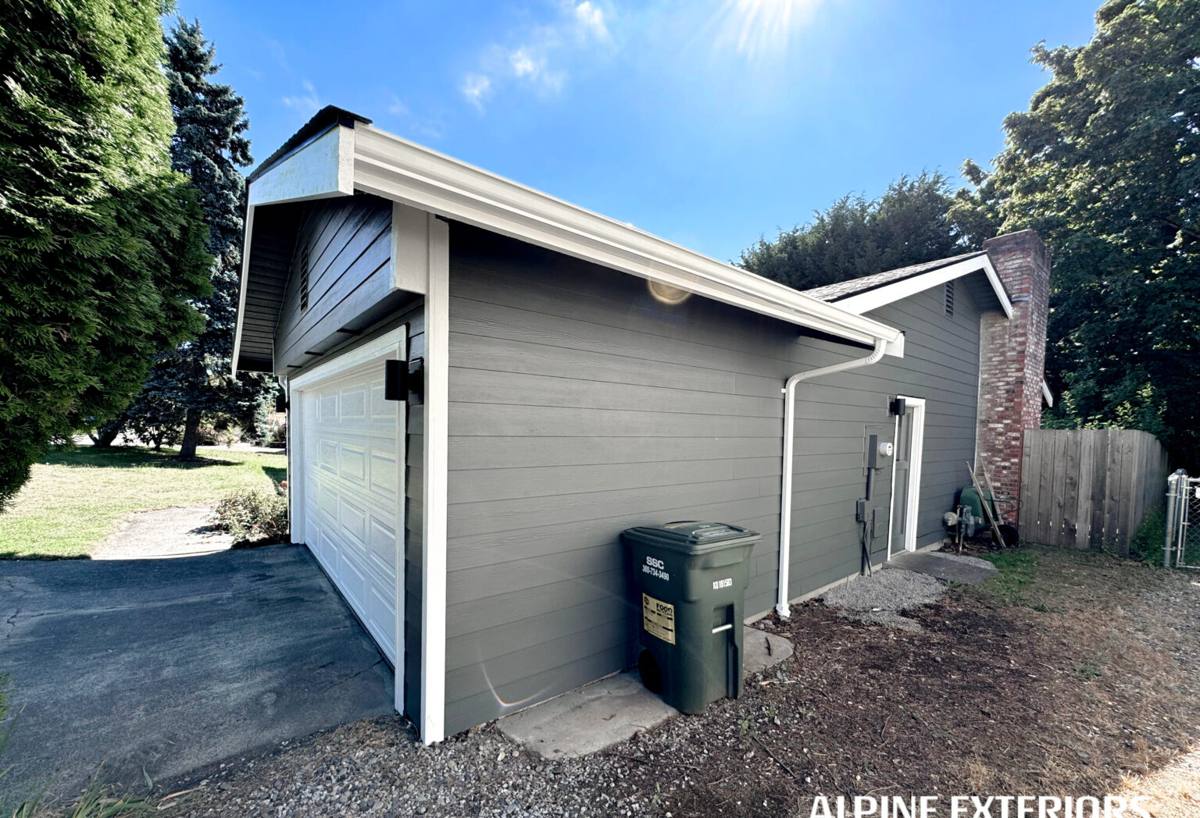
What Salt Air, UV, and Wind-Driven Rain Do to a Wall System
These three factors don't just make siding look worn — they attack different parts of the assembly in different ways, and a siding job that ignores any one of them will fail early.
Salt Air and Fastener Corrosion
Airborne salt settles on exterior surfaces and works into any exposed metal — fasteners, flashing, trim connectors. Over years, that accelerates corrosion in components that aren't rated for it, which can loosen panels, stain finishes, and eventually let moisture past points that were supposed to stay sealed. Coastal installs need corrosion-resistant fasteners and flashing details from day one, not as an upgrade.
Year-Round UV
Florida's sun load doesn't take a winter break. Field-applied paint finishes chalk, fade, and break down faster under this kind of sustained UV exposure than most homeowners expect, especially on south- and west-facing walls that catch direct afternoon sun. A finish that isn't engineered for this exposure will need repainting on a shorter cycle than most people plan for.
Wind-Driven Rain and Wall Assemblies
During a squall or a tropical system, rain doesn't just fall — it's driven sideways and upward under panel edges, around penetrations, and behind trim. If the water-resistive barrier, flashing, and panel overlaps aren't detailed correctly underneath the siding, that water finds its way into the sheathing and wall cavity. That's how you get hidden rot and mold long before anything looks wrong from the street.
Why We Install Only James Hardie Fiber Cement
Seminole Siding Installer doesn't install vinyl, LP SmartSide, Cemplank, Allura, or primed wood siding. That's a deliberate standard, not a lack of options. Each of those products has legitimate uses, but none of them holds up to salt air, sustained UV, and wind-driven rain the way engineered fiber cement does, and we'd rather stand behind one product system we trust completely than offer a menu that includes options we wouldn't put on our own homes.
Non-Combustible, Engineered Fiber Cement
James Hardie siding is made from cement, sand, and cellulose fiber, engineered to resist the moisture absorption, warping, and pest damage that affect wood-based products. It's also non-combustible, which matters during Florida's dry season and around any nearby brush or debris fires.
ColorPlus Factory Finish
Rather than relying on field-applied paint, Hardie's ColorPlus finish is baked on at the factory in multiple coats under controlled conditions. That finish holds color and resists fading and chalking far better than a job-site paint job exposed to Florida's UV load, and it comes with its own finish warranty separate from the substrate warranty.
Climate-Engineered HZ Product Lines
James Hardie engineers its products by climate zone rather than selling one version nationwide. Gulf Coast Florida, including St. Pete Beach, falls into the humid, high-moisture HZ zone, and we spec accordingly. That distinction is part of why a correctly specified Hardie job here looks and performs differently than one done to a generic national spec.
What a Correct Installation Involves on a St. Pete Beach Home
The product only performs as engineered if the installation matches the manufacturer's requirements — and on a barrier island, the margin for error is smaller than it is inland.
Flashing and Moisture Management
Every window, door, and penetration needs properly lapped flashing and a continuous water-resistive barrier behind the siding. This is the layer that actually keeps wind-driven rain out of the wall assembly; the siding itself is the second line of defense, not the only one.
Fastener Spec for Wind Resistance
Fastener type, spacing, and embedment all affect how well the siding holds up under wind uplift. We follow Hardie's fastening schedule for the applicable wind zone rather than a generic spacing pattern, and we use corrosion-resistant fasteners suited to coastal exposure.
Gaps, Caulking, and Expansion Room
Fiber cement needs specific gaps at butt joints, trim, and penetrations, sealed with a high-quality sealant rated for exterior movement and UV exposure. Panels installed tight with no expansion room, or caulked with the wrong product, are a common source of early cracking and moisture intrusion.
| Installation Detail | Why It Matters in St. Pete Beach |
|---|---|
| Corrosion-resistant fasteners and flashing | Salt air accelerates corrosion in standard hardware, which can loosen panels and open moisture paths over time |
| Continuous water-resistive barrier | Wind-driven rain during storms pushes past the siding face; the barrier behind it is what actually keeps the wall dry |
| Correct fastener spacing per wind zone | Coastal wind loads are higher than inland; under-fastened siding is more prone to uplift |
| HZ5-rated product and proper gapping | Sustained humidity and UV require the coastal-rated product line, installed with room to expand and contract |
Our Process for a St. Pete Beach Job
The process is the same discipline whether it's a full re-side or a repair, adjusted for what a barrier island property actually needs.
- On-site inspection of the current siding, trim, and any visible moisture or damage, including a look at sheathing condition where existing siding is being removed
- Assessment of wind exposure and sun exposure by elevation, since south- and west-facing walls and higher-exposure sides of the home often need extra attention to flashing and fastening
- Removal of old siding and inspection of the wall assembly underneath, addressing any sheathing damage before new material goes on — covering a compromised wall doesn't fix it
- Installation of water-resistive barrier, flashing, and James Hardie panels or planks to manufacturer spec and applicable wind code
- Final walk-through and inspection of seams, caulking, and trim before we consider the job finished
Why Hiring a Crew That Already Works This Coastline Matters
A contractor who mostly works inland Pinellas County jobs isn't automatically wrong for a St. Pete Beach home, but there's a real difference between knowing fiber cement installation in general and knowing what it takes on a barrier island specifically.
Coastal properties often carry wind-zone requirements under the Florida Building Code that affect fastening schedules and product specification, and getting that wrong can mean a job that doesn't pass inspection or, worse, doesn't hold up in the next storm. Barrier island logistics also matter in ways that don't come up inland — material staging, bridge access, and coordinating around HOA or condo association requirements on some coastal streets. A crew that's done this work here before isn't guessing at any of it.
We also know what "done right" looks like a few years later on this coastline, because we've seen our own work hold up through storm seasons. That's a different level of accountability than a one-time job.
What Affects the Cost of a Hardie Job Here
We don't publish blanket pricing because every home is different, but the main variables that move the cost of a St. Pete Beach James Hardie job are consistent.
| Cost Factor | Why It Affects the Price |
|---|---|
| Condition of the existing wall assembly | Sheathing repair or moisture remediation found during tear-off adds scope beyond the siding itself |
| Home size and wall complexity | More corners, penetrations, and trim details mean more flashing and labor time |
| Panel profile and ColorPlus color selection | Lap, shingle, and panel profiles carry different material and labor costs, and factory finishes vary by product |
| Access and staging on the property | Barrier island lot sizes and street access can affect how efficiently material and equipment move on site |
The only way to get an accurate number is a site visit — anything quoted without seeing the house and its exposure is a guess.
Keeping Hardie Siding Performing After Installation
James Hardie siding is low-maintenance compared to wood or vinyl, but "low-maintenance" isn't "no-maintenance," especially this close to the Gulf. A little attention keeps it performing for the long haul.
- Rinse salt residue and airborne debris off the siding periodically, especially on Gulf-facing walls
- Inspect caulking at windows, doors, and trim joints yearly and after major storms, since sealant is the first thing to wear
- Walk the exterior after any tropical system to check for loose panels, damaged trim, or debris impact
- Keep vegetation and irrigation spray off the siding to avoid staining and unnecessary moisture exposure
- Watch for any soft spots, discoloration, or bubbling near the base of walls or around penetrations, which can signal moisture behind the siding
If you're weighing a re-side or repair on a St. Pete Beach home, we're happy to take a look and give you a straight, no-pressure estimate based on what your house and its exposure actually need — use the form below to get started.