 Seminole Siding
 Building New on a Barrier Island Changes the Rules
St. Pete Beach sits directly on the Gulf, which means every new-construction window opening on that island is exposed to conditions most inland Pinellas County homes never see. Hurricane-force wind loads, wind-driven rain that gets pushed sideways under pressure, salt-laden air that accelerates corrosion on hardware and fasteners, and near-constant UV exposure all act on a window from the day it's set. When you're framing a new home, an addition, or a full teardown-rebuild, you get one chance to get the rough opening, the flashing, and the window itself right before the walls close up around it. There's no retrofitting your way out of a bad new-construction install later without tearing back into finished walls.
We're a Seminole-based crew that works St. Pete Beach regularly alongside inland Seminole jobs, so we're familiar with the permitting expectations, the wind exposure differences block by block near the water, and the kind of detailing that holds up on an island lot versus a few miles inland.
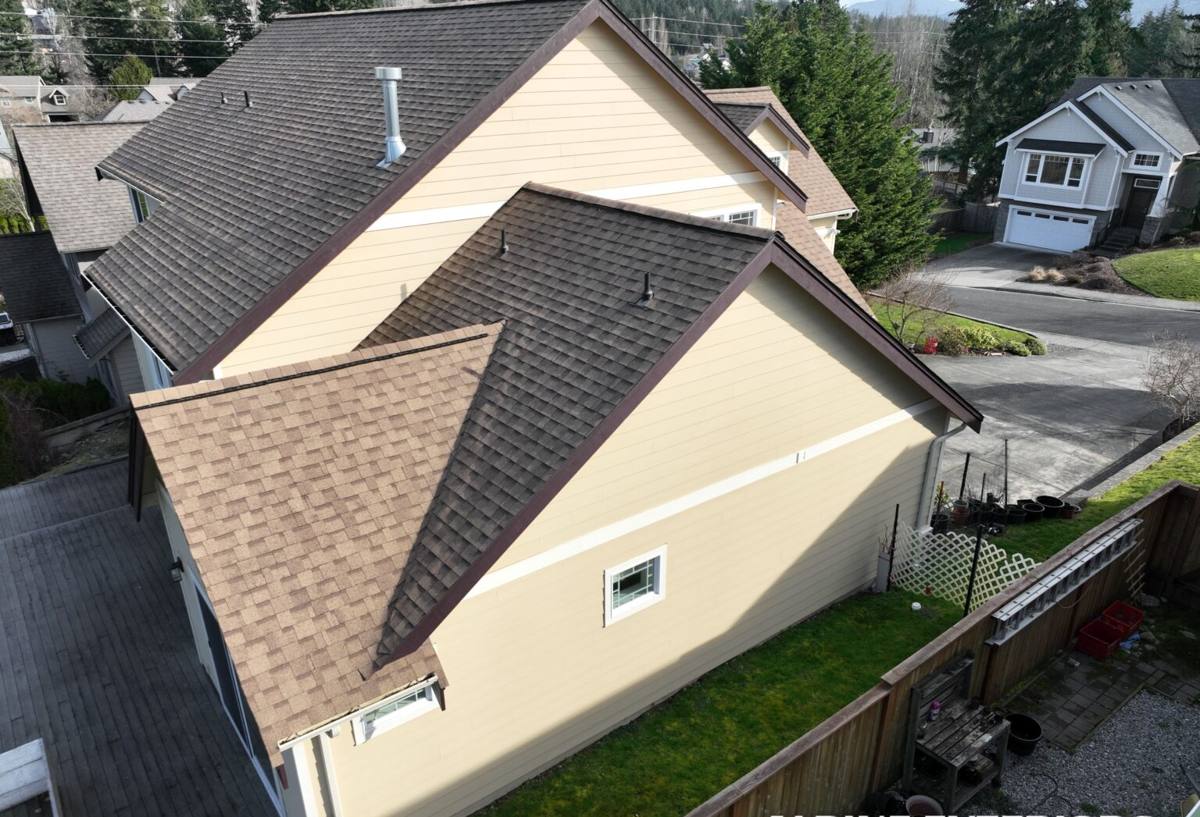
New-Construction Windows vs. Replacement Windows — Why the Distinction Matters
Homeowners often use "new windows" to mean any window installed for the first time, but in the trade there's a real difference, and it changes the entire installation method.
New-Construction (Nail Fin) Windows
These have a flange around the perimeter of the frame that gets nailed or screwed directly to the framing before exterior siding, stucco, or wall covering goes on. They integrate with the weather-resistant barrier and flashing tape in layers, the way roofing shingles overlap. This is the correct approach for new builds, additions, and any project where the wall is open down to the studs.
Replacement (Insert) Windows
These are built to slide into an existing, intact frame without disturbing the surrounding wall or siding. They're the right tool for an older home getting an upgrade, but they are not a substitute for proper new-construction flashing when the wall is open. If your project is new construction, you want a nail-fin window installed with full flashing integration — not an insert window shortcut.
Getting this distinction confused is one of the more common ways coastal builds develop water intrusion problems within the first few years.
What Florida Building Code Requires on a St. Pete Beach Lot
Pinellas County falls within Florida's wind-borne debris region, which means new-construction windows here need to meet impact standards — either impact-rated glass or code-approved shutter/covering protection paired with the window's design pressure rating. Every window installed has to carry a Florida Product Approval number matched to the wind zone and exposure category of that specific lot, and St. Pete Beach's direct Gulf exposure typically puts it at the higher end of the wind pressure range compared to inland Seminole addresses.
In practice, that means:
- Windows must have a design pressure (DP) rating adequate for the home's exposure category, which the local building department will check against your plans
- Impact-rated glass or approved protective coverings are required in the wind-borne debris region
- Rough opening framing, anchoring method, and fastener spacing all have to match the manufacturer's approved installation instructions on file — not a generic install
- A rough-opening inspection and a final inspection are both standard before the wall can be closed and signed off
We pull permits and coordinate inspections as part of the job, and on St. Pete Beach specifically we build in the extra lead time that comes with an island permitting queue and, in many cases, flood zone and elevation considerations that inland Seminole lots don't have.
Choosing a Frame Material for This Exposure
Frame material matters more on the beach than almost anywhere else in the county, because salt air and constant humidity punish materials differently. There's no single "best" answer for every project — it depends on your budget, your home's style, and how much upkeep you're willing to do.
| Frame Material | Salt Air Performance | Typical Upkeep | Notes for St. Pete Beach |
|---|---|---|---|
| Vinyl | Good — won't corrode | Low; occasional cleaning | Budget-friendly, wide color range, can soften under extreme sustained heat if not UV-stabilized |
| Aluminum | Fair — can corrode without proper coating | Moderate; watch fasteners and finish over time | Strong and slim sightlines, but needs a marine-grade finish and stainless fasteners near the Gulf |
| Fiberglass | Excellent | Low | Dimensionally stable in heat/humidity swings, higher upfront cost |
| Wood-clad | Poor without diligent maintenance | High | Beautiful interior look, but bare wood exposure to salt air and humidity is a maintenance commitment we're upfront about |
We'll talk through these trade-offs honestly during your estimate rather than pushing whatever happens to be cheapest to install. On an island lot, we lean toward vinyl or fiberglass for most budgets, with aluminum framing reserved for larger openings or specific architectural styles where its strength and slim profile matter.
How We Install New-Construction Windows Correctly
The window unit itself is only part of a correct install. Most window failures on coastal homes trace back to flashing and sealant details, not the window itself. Our process on a St. Pete Beach rough opening looks like this:
- Rough opening check — verify the opening is square, plumb, and sized to the manufacturer's tolerance before the window ever shows up on site
- Sill pan flashing — install a sloped, sealed sill pan so any water that gets past the window has a path back outside instead of into the framing
- Weather-resistant barrier integration — lap the WRB and flashing tape shingle-style (top piece over the one below it) around all four sides of the opening
- Setting the window — shim, level, and fasten per the manufacturer's approved schedule, which is what your Florida Product Approval is actually based on
- Sealing — backer rod and compatible sealant at the exterior joint, sized correctly rather than just caulked over gaps
- Interior air seal — low-expansion foam or backer rod at the interior gap to control air infiltration without bowing the frame
- Inspection — rough-in inspection before covering, final inspection once siding or stucco is complete
Every one of those steps needs to hold up to wind-driven rain being forced sideways into the wall during a storm — that's the real test a coastal window install faces that an inland one doesn't see nearly as often.
Common Mistakes We See on Coastal New-Construction Jobs
Some of these come from crews that mostly work inland and treat a beach lot like any other job:
- Skipping or shortcutting the sill pan because "the window has its own weep system"
- Using standard fasteners instead of stainless or coated fasteners rated for salt exposure
- Taping flashing in the wrong lap order, which channels water into the wall instead of away from it
- Installing a window with a design pressure rating that doesn't actually match the home's exposure category
- Caulking over a sealant joint instead of properly sizing backer rod, which fails within a season or two in this UV and heat
None of these show up as a problem on day one. They show up after the first real storm, or after a year or two of sun and salt work on a joint that wasn't detailed correctly.
Working With Your Builder — Or as Your Own General Contractor
Some St. Pete Beach projects come to us through a builder who wants a window and siding crew that already knows the island's inspection process. Others come from homeowners managing their own addition or rebuild who need a trade partner they can coordinate with directly. Either way, our job is to fit into your schedule cleanly: we confirm rough opening sizes off the approved plans before framing closes in, we coordinate our work around your other trades, and we handle the permit and inspection scheduling for the window portion of the job so it isn't one more thing on your plate.
Because we're a Seminole-based crew that works this stretch of the coast regularly, we're not learning the local wind exposure categories or the county's inspection expectations on your job. That familiarity is worth more on a barrier island build than it is on a typical inland remodel, simply because there's less room for a redo once the wall is closed.
After Move-In: Keeping New Windows Performing
A correctly installed new-construction window on St. Pete Beach still lives in a tough environment. A short annual routine keeps it performing the way it was designed to:
- Rinse frames and hardware with fresh water periodically to clear salt residue, especially after storms
- Check exterior sealant joints yearly for cracking or separation, particularly on the sides facing prevailing wind
- Lubricate locks and moving hardware to counter salt-air stiffness
- Watch for any staining or soft spots on interior trim near the window, which is an early sign of a flashing issue worth addressing before it spreads
- Keep an eye on caulking at the exterior trim line each hurricane season, not just when a storm is approaching
Let's Talk About Your Build
Every rough opening, floor plan, and lot on St. Pete Beach is a little different, and the right window spec depends on your home's exposure, your builder's timeline, and your budget. If you're framing new construction, adding on, or rebuilding on the island, we're glad to walk the plans with you and give you a straight answer on what the code requires and what we'd recommend. Reach out for a free, no-pressure estimate using the form below.