 Seminole Siding
 Roofing on a Barrier Island Is a Different Job
St. Pete Beach sits right on the Gulf, and that location changes what a roof has to survive. A roof a few miles inland in Seminole deals with heat and summer storms. A roof on St. Pete Beach deals with all of that plus constant salt-laden air, higher sustained wind exposure, and driving rain that comes in sideways off the water during a squall. None of this means every roof out here fails early — it means the materials, fasteners, and installation details matter more, and the margin for a sloppy install is smaller.
When we replace a roof on St. Pete Beach, we're not just swapping old shingles for new ones. We're building an assembly that's supposed to hold up to wind uplift, shed wind-driven rain without letting it work sideways under the roof covering, and resist the corrosion that salt air causes on anything metal that isn't rated for it.
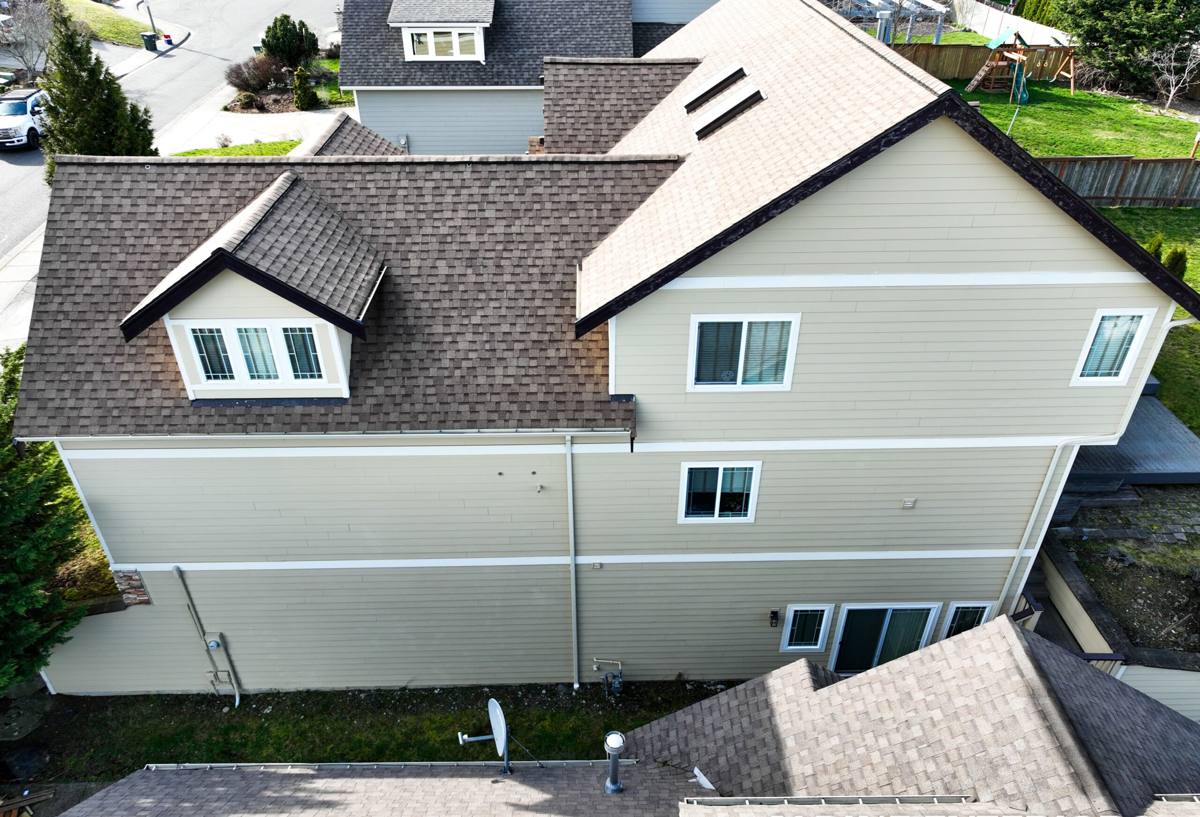
What Coastal Pinellas County Weather Actually Does to a Roof
Wind
Hurricane-force wind events don't have to make direct landfall to stress a roof on this stretch of coast — tropical systems passing well offshore can still push sustained wind and gusts strong enough to lift poorly fastened shingles, tiles, or underlayment. Roofs closer to the open Gulf feel this more than roofs set back inland, which is why fastening patterns and edge details matter even more here than a few miles east.
UV Exposure
Florida sun is intense nearly year-round, and there's little tree canopy on most St. Pete Beach lots to shade a roof deck. UV breaks down asphalt shingle oils and dries out sealants faster than in shadier inland neighborhoods, which shortens the practical service life of lower-grade materials.
Salt Air
Airborne salt corrodes exposed metal — nails, flashing, vent stacks, drip edge — faster the closer you are to the water. Standard galvanized fasteners can start rusting years before they would inland. This is one of the biggest, most overlooked reasons coastal roofs fail early: not the shingles themselves, but the hardware holding them down.
Wind-Driven Rain
It's not just how much rain falls, it's the angle it falls at. Wind-driven rain gets pushed up under shingle tabs, into roof-wall intersections, and around penetrations that would stay dry in a calm rain. A roof that isn't detailed for this — proper underlayment laps, step flashing, sealed penetrations — can develop leaks that have nothing to do with storm damage and everything to do with everyday coastal weather.
Signs a St. Pete Beach Roof Needs Replacement, Not Another Patch
Patching has its place, but a roof that's showing several of these signs at once is usually past the point where patching makes financial sense.
- Granule loss heavy enough that you're finding shingle granules in gutters or at downspout runoff points
- Shingles that are curling, cupping, or cracking, especially on south- and west-facing slopes
- Rusted or heavily corroded exposed fasteners, flashing, or vent boots
- Soft spots or sagging when walked on, which usually means deck damage underneath
- Repeated leaks in different spots after storms, rather than one isolated leak
- Roof is 18-20+ years old (asphalt shingle) and has never been fully replaced
- Missing or lifted shingles after wind events, especially if it's happened more than once
- Visible daylight or water staining in the attic along the roof deck or rafters
What a Correctly Done Roof Replacement Includes
A roof replacement done right isn't just new shingles laid over what's there. On St. Pete Beach, we treat every layer as part of the wind and water defense system, not just the visible finish.
Full Tear-Off
We remove the existing roofing down to the deck rather than layering over it. That lets us actually inspect the deck, catch rot or delamination before it's covered up, and start the new assembly with fresh, correctly lapped underlayment instead of building on top of an unknown condition.
Deck Inspection and Repair
Any soft, delaminated, or water-damaged plywood or OSB gets replaced before anything new goes down. Fastening new shingles or tile over a compromised deck defeats the purpose of the whole job — it's the one step that can't be skipped or shortcut.
Underlayment Built for Wind-Driven Rain
We use underlayment and lap details suited to coastal exposure, with attention to how water behaves when it's being pushed sideways by wind rather than falling straight down. This is the layer that saves a roof when a shingle or tile does get compromised in a storm — it's the backup, not an afterthought.
Corrosion-Resistant Fasteners and Flashing
Given the salt air on St. Pete Beach, we don't treat standard galvanized hardware as good enough close to the water. Using fasteners, drip edge, and flashing rated for coastal corrosion resistance costs a little more up front and pays for itself by not being the reason a roof starts leaking five years early.
Wind-Rated Fastening Pattern
Nailing or fastening patterns are matched to the wind exposure and roof geometry of the specific home, not just done to the bare minimum code allows. Ridge, eave, and rake edges get extra attention since those are where wind uplift concentrates first.
Comparing Roofing Materials for Coastal Pinellas County
| Material | Coastal wind/salt performance | Typical lifespan | Maintenance |
|---|---|---|---|
| Architectural asphalt shingle (high wind-rated) | Good when properly fastened and using coastal-rated hardware | 18-25 years | Periodic inspection, especially after storms |
| Standard 3-tab asphalt shingle | Lower wind resistance, not our recommendation this close to the Gulf | 12-18 years | More frequent inspection and repair |
| Metal (standing seam, coastal-rated) | Strong wind and salt performance when properly coated and fastened | 30-50 years | Low, but coating and fastener condition should be checked |
| Concrete or clay tile | Good wind performance if fastening and underlayment are done correctly; heavier, needs adequate structure | 30-50 years | Occasional tile replacement, underlayment is the long-term weak point |
We'll talk through which of these fits a given home's roof structure, budget, and how long the owner plans to be in the house. There's no single "best" material for every St. Pete Beach roof — the right choice depends on the roof's pitch, the home's structure, and how much upfront cost versus long-term durability the owner wants to weigh.
What Drives Cost on a St. Pete Beach Roof Replacement
| Factor | Why it matters here |
|---|---|
| Roof size and pitch | More surface area and steeper pitches take longer and use more material and labor |
| Material choice | Asphalt, metal, and tile carry very different material and installation costs |
| Deck condition | Rot or delamination found at tear-off adds repair cost, but it's cheaper found now than after new roofing is on |
| Number of penetrations and roof-wall intersections | Every vent, skylight, and wall tie-in needs individual flashing, which adds labor |
| Wind rating and fastening spec required | Coastal wind exposure and current code can call for tighter fastening patterns than an inland roof needs |
| Access and staging | Narrower barrier-island lots and limited street parking can affect logistics and time on site |
We won't quote a roof without walking it first. Anyone giving a firm number over the phone for a coastal roof replacement is skipping steps that matter, like deck condition and roof geometry.
Our Process, Start to Finish
- On-site inspection — we walk the roof and attic, check deck condition where visible, note wind exposure and existing damage, and take measurements.
- Written estimate — a clear scope of work and price, with material options explained in plain terms, not just a single number.
- Permitting — roof replacements in Pinellas County require a permit; we handle that paperwork so the homeowner doesn't have to chase it down.
- Material delivery and staging — scheduled to minimize how long materials sit exposed and how long the site is disrupted.
- Tear-off and deck inspection — old roofing removed, deck checked and repaired where needed, with photos of anything that required extra work.
- Underlayment and flashing installation — the layer that does the real work of keeping wind-driven rain out.
- New roofing installation — installed to the fastening spec appropriate for the home's wind exposure, not just the bare code minimum.
- Final walkthrough — we go over the finished roof with the homeowner and clean the property of old material and debris.
- Documentation — paperwork needed for warranty registration and, where applicable, wind mitigation inspection for insurance purposes.
Permits, Wind Mitigation, and Insurance
Roof replacements in Pinellas County go through the permitting process, and inspections happen at set points in the job — this isn't optional paperwork, it's part of what confirms the work meets current wind and building code. We handle the permit application and coordinate the required inspections as part of the job.
It's also worth having a wind mitigation inspection done after a full roof replacement. Florida insurers offer premium credits for verified wind-resistant features — things like the roof covering type, the roof deck attachment, and roof-to-wall connections. A new roof installed to current code often qualifies for better wind mitigation credits than the old roof did, which can lower a homeowner's insurance premium. We can't guarantee what any specific insurer will credit, but we make sure the documentation from the job supports that inspection.
Why the Local Crew Matters on This Job
Roofing crews that mostly work inland don't always think about coastal-grade fasteners as a default, because inland roofs don't punish standard hardware the same way. A crew that regularly works St. Pete Beach and the rest of coastal Pinellas County builds habits around salt air and wind exposure into every job automatically — it's not a special upgrade we have to remember to mention, it's just how coastal roofs get done correctly.
There's also a practical side to it. A local crew knows the permitting process with the county, has a working relationship with the inspectors who sign off on the job, and isn't guessing at how a barrier-island lot's access and staging will go. That familiarity shows up as fewer surprises and fewer delays during the job, not just in the finished roof.
Maintaining a New Roof in a Coastal Environment
Even a well-installed roof benefits from a little attention out here. A short annual check — especially after hurricane season — catches small issues while they're still small.
- Visually check for lifted, cracked, or missing shingles or tiles after any significant storm
- Keep gutters and downspouts clear so water isn't backing up under the roof edge
- Trim back any overhanging branches that could abrade the roof surface in wind
- Watch for rust streaks near vents, flashing, or fasteners as an early sign of corrosion
- Check the attic occasionally for any staining or daylight that wasn't there before
None of this replaces a professional inspection, but it means small problems get caught between inspections rather than turning into a leak during the next storm.
Get a Straight Answer on Your Roof
If you're not sure whether a St. Pete Beach roof needs full replacement or can hold on a bit longer with repairs, that's exactly what an inspection is for. We'll give you an honest read on the roof's condition, walk through material options suited to Gulf-front wind and salt exposure, and put together a clear, no-pressure estimate — no scare tactics, just what the roof actually needs. Fill out the form below to schedule a free estimate.