 Seminole Siding
 Why St. Petersburg Roofs Wear Out Faster Than the Manual Says
Every asphalt shingle, tile, and metal roofing product sold in Florida comes with a warranty written for a generic climate that doesn't exist in Pinellas County. St. Petersburg roofs deal with a specific combination of stressors that most manufacturers' lab tests never fully account for: sustained subtropical heat and UV exposure nearly year-round, sudden hurricane-force wind events, wind-driven rain that gets pushed sideways under flashing and shingle tabs, and a steady dose of salt-laden air rolling in off the surrounding water. Any one of these on its own is manageable. Together, over years, they compound.
UV breaks down asphalt oils and shingle granules, making the roof brittle before its rated lifespan is up. Heat cycles cause materials to expand and contract daily, working screws, nails, and sealants loose a little at a time. Wind events test every fastener and every seam at once, finding the one spot that was already weakened by sun and salt. And salt air accelerates corrosion on any exposed metal — flashing, fasteners, vents, and drip edge — well before the visible field of the roof shows its age. A roof repair in St. Petersburg has to account for all of that, not just patch the one spot that's leaking today.
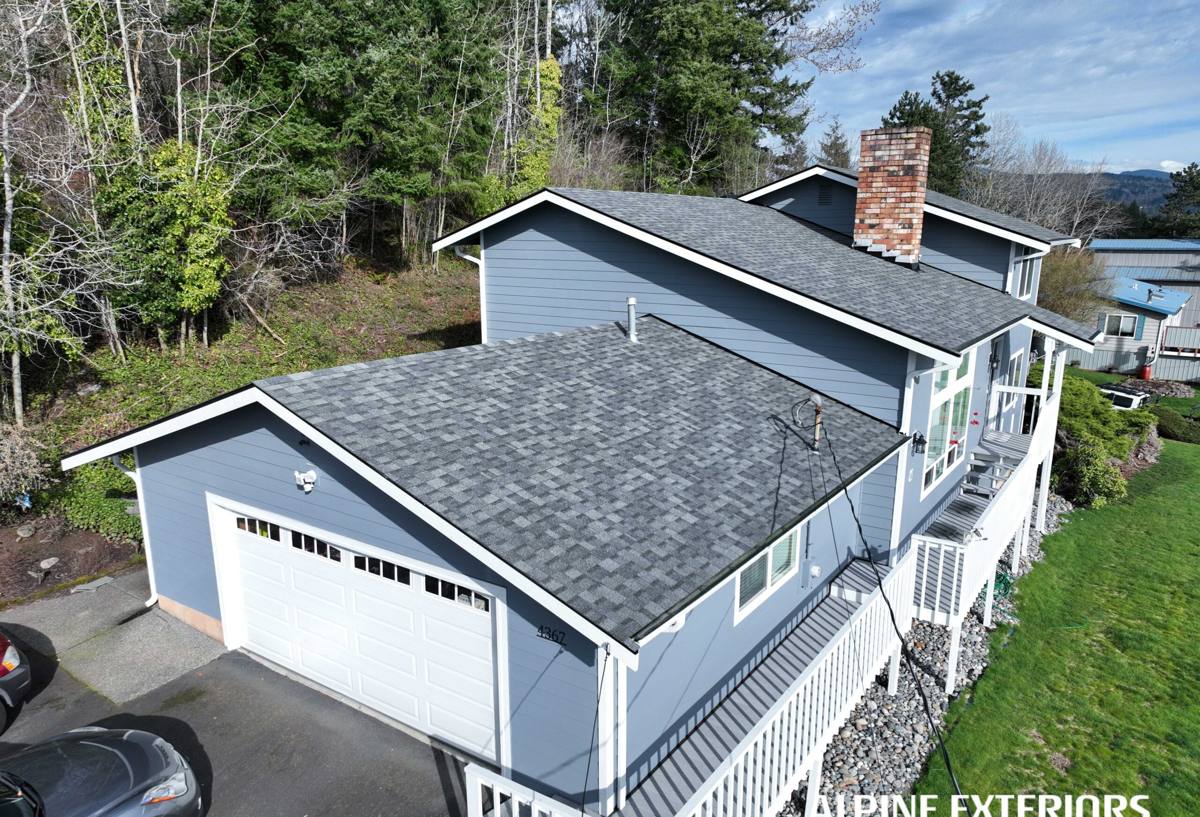
The Roof Repair Issues We See Most in This Area
Not every roof problem in Pinellas County looks the same, but a handful of patterns show up again and again on St. Petersburg homes:
- Wind-lifted or missing shingle tabs along ridge lines and roof edges, where uplift pressure is highest during storms
- Cracked or slipped tiles from foot traffic, falling debris, or age-related brittleness
- Corroded or lifted flashing around chimneys, skylights, and wall-to-roof transitions, letting wind-driven rain track in sideways
- Deteriorated pipe boots and vent seals — usually the rubber component fails years before the roofing material around it does
- Granule loss and UV-baked, brittle shingles that shed protection even without a storm event
- Soft or discolored decking under valleys and low-slope sections where water has been standing or slowly wicking in
Coastal salt air also means we pay close attention to any exposed metal on a roof system — nail heads, drip edge, valley metal, and vent housings corrode faster here than they would inland, and a repair that ignores that will fail again within a season or two.
What a Correct Roof Repair Actually Involves
Diagnosis Before Anything Gets Touched
A roof leak rarely shows up directly above the stain on the ceiling. Water travels along decking, follows a truss, and drops somewhere downhill from where it actually entered. A correct repair starts with tracing the path — checking flashing, penetrations, valleys, and the surrounding field of roofing material — before a single shingle or tile is pulled. Guessing at the source and patching the visible symptom is how homeowners end up paying for the same leak twice.
Matching the Repair to the Roof's Real Condition
Once the source is found, the next question is whether the surrounding roofing material is sound enough to repair into, or whether age and sun exposure have made it too brittle to tie a clean patch into. Shingles that crack when lifted, tiles that crumble at the edges, or decking that flexes underfoot all change the scope of the job. Part of doing this honestly is telling a homeowner when a "repair" would just be a temporary patch on a roof that's past the point of spot-fixing — and being clear about that distinction up front.
Fastening and Sealing for Wind, Not Just Water
Because wind uplift is a real and recurring event here, every repair we do accounts for fastening patterns, not just waterproofing. That means correct nail placement and count on replaced shingles, proper flashing overlap and fastening at transitions, and sealants rated for UV and temperature swings rather than generic caulk that will crack out within a year or two of sun exposure.
Repair or Replace? How We Help You Decide
Not every roof problem calls for full replacement, and not every leak can be permanently fixed with a patch. The honest answer depends on the roof's age, how widespread the damage is, and what's happened to it already.
| Factor | Leans Toward Repair | Leans Toward Replacement |
|---|---|---|
| Roof age | Under roughly 12-15 years | Approaching or past material's expected lifespan |
| Damage scope | Isolated to one area or penetration | Spread across multiple sections or slopes |
| Shingle/tile condition nearby | Still flexible, granules intact | Brittle, cracking, heavy granule loss |
| Decking condition | Solid, no soft spots found | Soft, discolored, or previously repaired decking |
| Repair history | First repair in this area | Same spot has been patched more than once |
| Insurance/storm damage | Minor, localized wind or debris damage | Documented widespread wind or hail damage |
We walk homeowners through where their roof actually falls on that spectrum rather than defaulting to the answer that's easiest to sell. A well-executed repair on a roof with useful life left is money well spent; a repair layered onto a roof that's already failing is money spent twice.
Our Roof Repair Process in St. Petersburg
- Inspection. We get on the roof (or use a drone where access or safety requires it) and physically check flashing, penetrations, valleys, and the field of roofing material, not just the reported leak location.
- Diagnosis and photos. We document what we find and explain, in plain terms, what's actually causing the problem and what it will take to fix it correctly.
- Straightforward scope and pricing. Before any work starts, the homeowner knows what's being repaired, what materials are being used, and what it costs — no vague line items.
- The repair itself. Damaged shingles, tiles, flashing, or boots are removed and replaced with materials matched as closely as possible to what's already on the roof, fastened and sealed to hold up against local wind and UV exposure.
- Interior check. Where a leak has been active, we look at decking and framing in the affected area to confirm there's no hidden rot or moisture that needs to be addressed separately.
- Final walkthrough. We show the homeowner what was done and flag anything else on the roof worth keeping an eye on, even if it's not part of today's repair.
Materials and Fixes We Work With
St. Petersburg has a mix of roofing types — asphalt shingle, concrete and clay tile, and metal — and each has its own repair logic.
| Roof Type | Typical Repair Issue | What Correct Repair Requires |
|---|---|---|
| Asphalt shingle | Wind-lifted tabs, granule loss, cracked seals | Matching shingle profile/color, proper nail count, resealing adjacent tabs |
| Concrete/clay tile | Cracked or slipped tiles, broken battens | Careful removal without cracking neighboring tile, correct fastening to match wind rating |
| Metal roofing | Fastener backout, seam separation, corrosion at cuts | Fastener replacement with proper washers, seam resealing rated for movement |
| Flashing (all types) | Corrosion, lifting, gaps at transitions | Full replacement of affected sections, not just caulking over a gap |
We're honest about the trade-offs of each material when a repair reveals a bigger decision ahead — for example, a metal roof that's showing widespread fastener corrosion may be a candidate for a fastener retrofit rather than full replacement, while tile with multiple cracked pieces in one area often signals it's time to think about the whole slope rather than tile-by-tile patching indefinitely.
Signs Your St. Petersburg Roof Needs Repair Now
- A ceiling stain that appears or grows after a rain event, even a light one
- Shingle granules collecting in gutters or at downspout outlets
- Visibly lifted, curled, or missing shingles after high wind
- Cracked, slipped, or missing roof tiles
- Rust streaks running down from a vent, flashing, or fastener
- Daylight visible through the attic decking or soffit area
- Soft or spongy feel when walking a flat or low-slope section
- A musty smell in the attic that wasn't there before
None of these guarantee a major problem on their own, but any of them is worth a look before the next storm turns a small issue into a bigger one.
Why It Matters That We Already Work in St. Petersburg
A roofer who's unfamiliar with this specific stretch of the Gulf coast is working from generalities. A crew that regularly handles roof repair in St. Petersburg and across Pinellas County already knows which flashing details tend to fail first in this salt air, which shingle lines hold up to the local UV load, and how wind-driven rain behaves on the roof pitches and orientations common in this area. That familiarity shows up in fewer callbacks — the repair holds because it accounted for the actual conditions the roof faces, not a textbook version of them.
It also matters for speed after a storm. When wind events roll through the region, demand for repair spikes all at once. A crew already working locally, with local material suppliers and a working knowledge of the area's roofs, can respond faster than one coming from outside the region and learning the local conditions on the job.
After the Repair: Keeping It From Happening Again
A repair is only as good as what happens to the roof afterward. A few habits go a long way in this climate:
- Have gutters cleaned regularly so water isn't backing up under the roof edge during heavy rain
- Trim back overhanging branches that drop debris or create abrasion points during wind
- Schedule a roof check after any named storm, even if nothing looks obviously wrong from the ground
- Address small issues — a lifted tab, a hairline crack — before the next big wind event finds them
- Keep an eye on attic ventilation, since trapped heat accelerates material breakdown from underneath
None of this requires a maintenance contract or constant attention — just a periodic look, especially heading into and coming out of hurricane season.
If you're dealing with a leak, storm damage, or just want an honest read on where your roof stands, we're glad to take a look. The estimate is free, there's no pressure to move forward with anything, and you'll get a straight answer about whether repair makes sense or something bigger is worth discussing — fill out the form below to get started.