 Seminole Siding
 St. Petersburg Roofs Work Harder Than Most
St. Petersburg sits close enough to the Gulf that salt air, wind-driven rain, and near year-round UV exposure are constant, low-grade stress on a roof, even in years without a direct hurricane strike. Add in the wind gusts that come through Pinellas County during named storms and squall lines, and it's easy to see why roofs here age faster than roofs in drier, cooler parts of the country. A roof that might last three decades inland can show real wear in half that time on the coast if it wasn't installed with this climate in mind.
This page is about one job, done right, for homes in and around St. Petersburg: full roof replacement. Not a patch, not a quick reroof over old shingles — a proper tear-off and rebuild that accounts for wind uplift, moisture intrusion, and the corrosive effect of salt-laden air on fasteners and flashing. As a crew that already works this part of the county, we've built our process around those specific pressures rather than a one-size-fits-all national playbook.
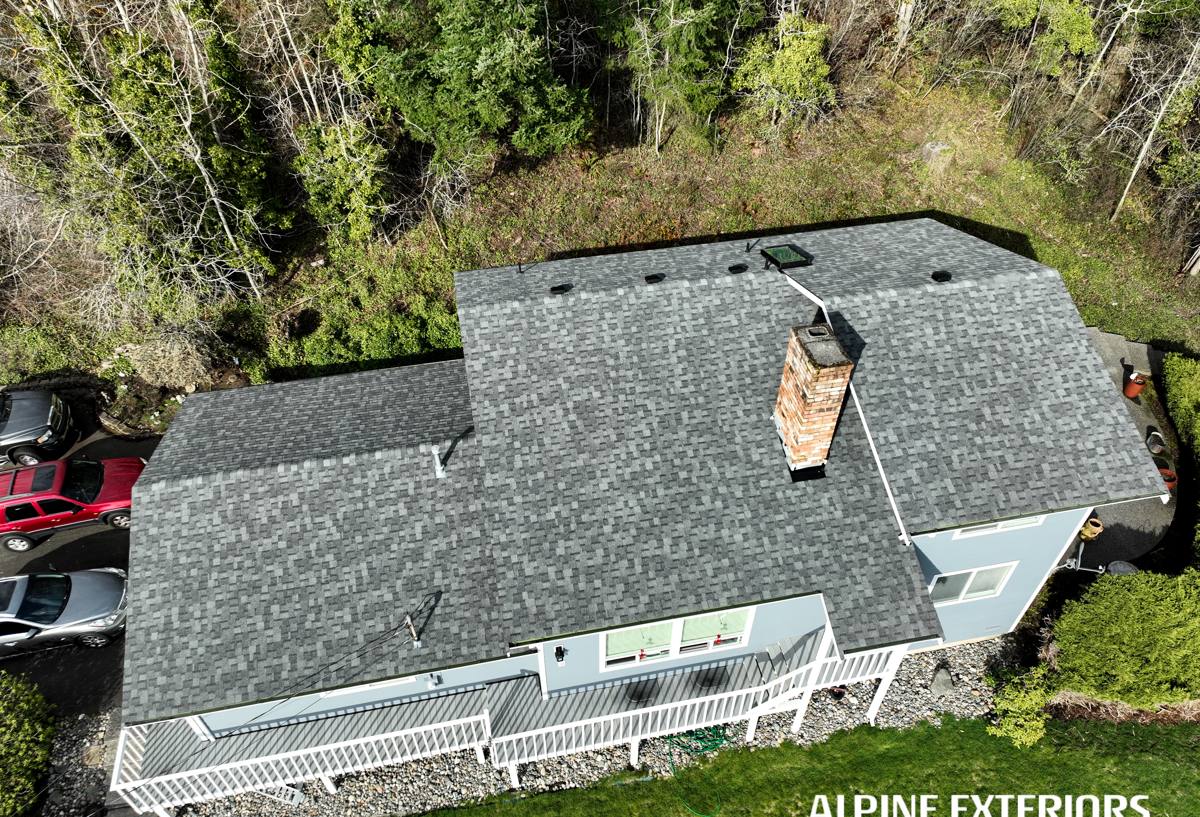
Signs a St. Petersburg Roof Has Reached the End of Its Life
Roofs rarely fail all at once. They give warning signs first, and catching them early is the difference between a planned replacement and an emergency tarp after a storm. Walk your roofline (or have us do it) and look for the following:
- Shingles that are curling, cupping, or losing their granules in patches, exposing the darker asphalt underneath
- Cracked, missing, or lifted shingles, especially after a windy afternoon
- Soft or spongy spots when walked on, which usually mean the decking underneath has taken on moisture
- Water stains on interior ceilings or in the attic, even small ones that come and go
- Visible sagging along the roofline or at the eaves
- A roof that's 18-25+ years old, regardless of how it looks from the ground
- Rising cooling bills with no other explanation, which can point to failing attic ventilation or insulation
Any one of these on its own might be a repair. Several together, especially on an older roof, usually mean it's time to talk about full replacement instead of chasing leaks one at a time.
What a Correct Roof Replacement Actually Involves
A roof replacement is more than swapping old shingles for new ones. The parts homeowners can't see from the ground are the parts that determine whether the roof holds up in a Gulf Coast storm or fails at the first hard gust.
Full Tear-Off, Not a Layover
We remove the existing roofing material down to the decking rather than installing new shingles over old ones. A layover traps heat and moisture, hides decking problems, and often voids manufacturer wind warranties — none of which is worth the shortcut, especially on a coastal roof that's already fighting humidity and heat.
Decking Inspection and Repair
Once the old material is off, we can actually see the plywood or OSB decking underneath. Any board that's soft, delaminated, or water-damaged gets replaced before anything new goes down. Skipping this step is one of the most common ways a "new roof" fails early.
Underlayment and Water Barriers
A synthetic or self-adhering underlayment goes down next, with extra attention at valleys, eaves, and roof-to-wall transitions — the spots where wind-driven rain is most likely to find a way in during a tropical system. This layer is what keeps water out even if a shingle is ever lost.
Flashing, Drip Edge, and Penetrations
Flashing around chimneys, skylights, vent pipes, and sidewalls is replaced, not reused. Old flashing is a frequent hidden cause of "mystery leaks" that have nothing to do with the shingles themselves. New drip edge is installed along eaves and rakes to direct water away from the fascia and decking edges.
Shingles, Fasteners, and Wind Rating
Shingles are installed with the nailing pattern and fastener count required to meet the wind rating we're selling, not the minimum needed to pass inspection. In a salt-air environment, corrosion-resistant fasteners matter more than they would inland, since standard fasteners can weaken over time and become a wind-uplift risk years down the road.
Choosing Roofing Materials for a Gulf Coast Property
There's no single "best" roofing material for every St. Petersburg home — it depends on your roof's shape, your budget, and how long you plan to stay in the house. Here's an honest comparison of the main options we install:
| Material | Typical Lifespan | Wind Performance | Relative Cost | Maintenance |
|---|---|---|---|---|
| 3-tab asphalt shingle | 15-20 years | Lower wind rating; more prone to lifting in gusts | Lowest | Moderate — earlier granule loss in intense UV |
| Architectural (dimensional) asphalt shingle | 25-30 years | Higher wind rating options available, better mid-storm performance | Moderate | Low to moderate |
| Standing seam metal | 40-50+ years | Excellent, when properly fastened and detailed | Higher upfront | Low |
| Concrete or clay tile | 40-50+ years | Good, but individual tiles can dislodge in extreme wind if not properly secured | Higher upfront | Moderate — periodic tile and underlayment checks |
Architectural asphalt shingles remain the most common choice for St. Petersburg homes because they balance upfront cost against real coastal durability, especially when paired with a higher wind-rated shingle line and proper fastening. Metal and tile are worth a serious look if you're planning to stay in the home long-term, since the lifespan advantage can offset the higher install cost over time.
Our Roof Replacement Process, Step by Step
- On-site inspection and honest assessment — we look at decking condition, current ventilation, flashing details, and get up on the roof itself rather than quoting from photos alone.
- Material and system selection — we walk through the options above based on your budget, roof shape, and how long you plan to own the home.
- Permitting — we pull the required roofing permit before work begins.
- Tear-off day — old roofing is removed and hauled off, and decking is exposed for inspection.
- Decking repair — any compromised sections are replaced before anything new is installed.
- Underlayment, flashing, and drip edge — the water-management layer goes down and gets inspected before shingles cover it up.
- Shingle or material installation — installed to the fastening spec required for the wind rating we quoted.
- Ridge and attic ventilation — checked and corrected as part of the job, not treated as an afterthought.
- Cleanup and magnetic nail sweep — yard and driveway are cleared of debris and stray fasteners.
- Final walkthrough — we go over the finished roof with you before calling the job done.
Permits, Wind Mitigation, and Insurance in Pinellas County
Florida's building code sets specific wind-resistance requirements for roofing, and those requirements are enforced through the local permitting and inspection process. A roof replacement in the St. Petersburg area needs a permit and a passing inspection — that's not optional paperwork, it's what confirms the work actually meets code for this wind zone.
Once the new roof is in, it's worth having a wind mitigation inspection done. This documents features like your roof's shape, the type of roof-to-wall connections, and the impact rating of the roof covering — details that Florida insurers use to calculate windstorm premium discounts. A new roof built to current code, with the right documentation, can meaningfully change what you pay for coverage. We can point you toward what a wind mitigation inspector will be looking for, since we've built the roof around those same standards.
Attic Ventilation Matters More in Florida Heat
A properly balanced attic — enough intake at the eaves and enough exhaust at the ridge — does two things that matter a lot on the Gulf Coast: it keeps attic temperatures from climbing to extremes that shorten shingle life from the underside, and it reduces the moisture buildup that can rot decking over time. We check and correct ventilation as part of every replacement rather than assuming the existing setup was adequate, since a lot of older St. Petersburg homes were built before current ventilation standards were common.
Why Hiring a Crew That Already Works St. Petersburg Matters
Roofing crews that work outside their normal service area often don't know the local permitting office's specific requirements, aren't familiar with the HOA or deed-restriction patterns common in Pinellas County neighborhoods, and disappear when a warranty question comes up two years later. A crew based in Seminole and working St. Petersburg regularly knows the inspection process here, understands how salt air behaves on fasteners and flashing over time, and is reachable if something needs a second look after the next storm season. That local continuity is worth as much as any material spec sheet.
Taking Care of Your Roof After Replacement
A new roof still needs basic upkeep to reach its full lifespan in this climate:
- Keep gutters clear so water sheds properly off the roof edge instead of backing up under shingles
- Trim back tree limbs that overhang the roof to reduce debris buildup and abrasion
- Have the roof visually checked after any major storm, even if nothing looks obviously wrong
- Avoid pressure washing shingles directly, which can strip granules and shorten their life
- Schedule a periodic visual inspection every couple of years to catch small issues early
If you're weighing repair versus replacement, or just want an honest read on where your current roof stands, we're happy to take a look and walk you through what we find. Reach out for a free, no-pressure estimate using the form below.